
Huchuy Qosqo Hike.
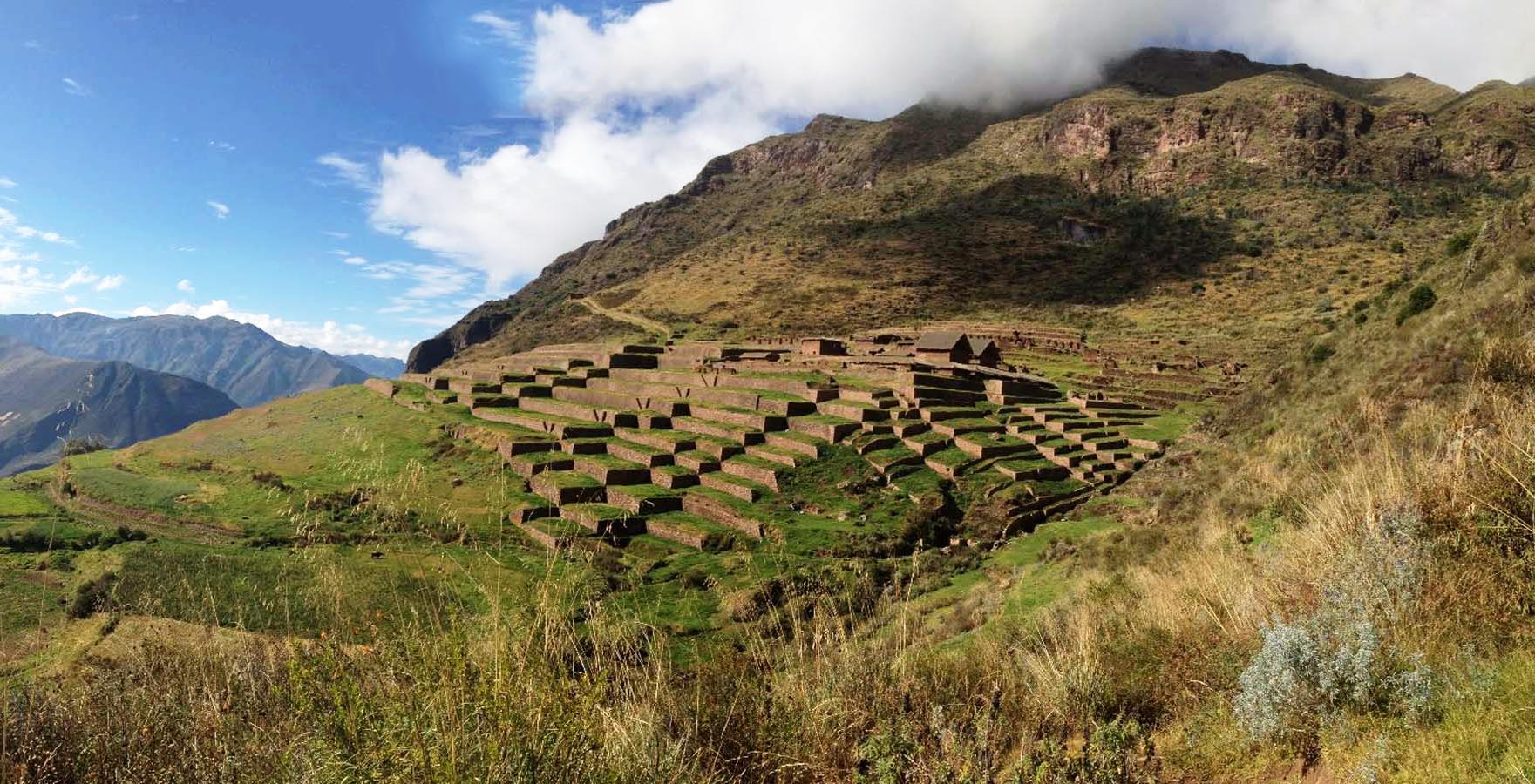
Huchuy Qosqo hike or Qaqyaqawana is located on the plain of the upper third of the mountain called Qaqya (thunder). It is an Inca architectural complex, where one of the finest works in modulation of topography is exhibited through the use of terraces or suqres (pata pata), which rise from the very edge of the precipices and cliffs that fall vertically over the Vilcanota Valley or sacred valley and culminate in platforms used as ceremonial esplanades towards the upper third of the slope, around which a series of architectural structures made of stone and adobe are still standing, materials used with wisdom and exquisiteness in terms of construction criteria and finishes. The structures also have an architectural layout similar to Cusco, which is why it has come to be called Huchuy Qosqo or Little Cusco at the beginning of the 20th century. A characteristic of this architectural complex is the use of lithic materials combined with adobe and clay, demonstrating the knowledge and mastery of high-tech construction materials, especially adobe. The recumbent walls built with this noble material still defy harsh weather conditions, earthquakes, and the inevitable passage of time. Located 5 kilometers south of the city of Calca.
Inca History.
- Built: The site dates back to the late Intermediate period but was expanded and developed during the reign of Inca Wiracocha (early 15th century).
- Purpose:
- It likely served as a royal estate or retreat for Wiracocha.
- Positioned high above the Sacred Valley, it offered strategic views and control of surrounding agricultural lands.
- Architecture:
- Large stone terraces for farming.
- Polished stone structures mixed with adobe—unique compared to Cusco’s all-stone construction.
- A massive Kallanka (long rectangular hall) used for gatherings and ceremonies.
Colonial Era. Huchuy Qosqo Hike
- After the Spanish conquest, many Inca sites were abandoned or repurposed.
- Huchuy Qosqo was partly dismantled, with stones taken for construction in nearby towns.
- Chronicles mention that the Spanish captured and executed some Inca leaders here during uprisings in the 1500s.
Rediscovery and Preservation.
- For centuries, Huchuy Qosqo was relatively unknown to outsiders because of its remote, high-altitude location.
- Archaeologists began systematic studies in the 20th century.
- Today, it remains less visited than Machu Picchu, giving it a more authentic, off-the-beaten-path feel.
Historical Significance.
- Demonstrates Inca mastery of agriculture (terracing on steep slopes).
- Reflects Inca political strategy—royal estates reinforced control over key valleys.
- A cultural bridge: a place where everyday life, politics, and ceremony intersected.
The Huchuy Qosqo Hike Itself.
- Duration: 1–2 days (most people do it as a full-day trek, but overnight options exist).
- Distance: ~13–16 km (8–10 miles) depending on route.
- Difficulty: Moderate. Shorter than many other treks but involves steep climbs and descents.
- Altitude: Highest pass is ~4,200 m (13,780 ft), so acclimatization in Cusco is recommended.
Huchuy Qosqo Hike – Main Routes.
- Tambomachay to Huchuy Qosqo
- Starts just outside Cusco at the Tambomachay ruins.
- Crosses high-altitude lagoons, mountain passes, and ends descending into Huchuy Qosqo.
- ~7–8 hours of hiking.
- Chinchero to Huchuy Qosqo
- Starts from the town of Chinchero.
- Passes Piuray Lake, through rural communities and farmlands.
- Slightly easier and shorter than Tambomachay route.
Overnight vs. Day Trip
- Day Hike: Start early from Cusco, hike in, and return by vehicle from Lamay (near Pisac) in the Sacred Valley.
- Overnight: Camp along the way or stay in a homestay near Huchuy Qosqo for more cultural immersion.
Tips Huchuy Qosqo Hike.
- Acclimatize in Cusco 2–3 days before the trek.
- Bring layers—weather changes quickly in the Andes.
- Carry snacks, at least 2L water, sunscreen, and rain gear.
- Hiring a guide or going with a tour makes logistics easier, but experienced hikers can do it self-guided.
- After visiting the ruins, you typically descend to Lamay, where you can catch transport to Pisac or back to Cusco.