Óscar Yokichi Nouchi: The History of Aguas Calientes and Machu Picchu
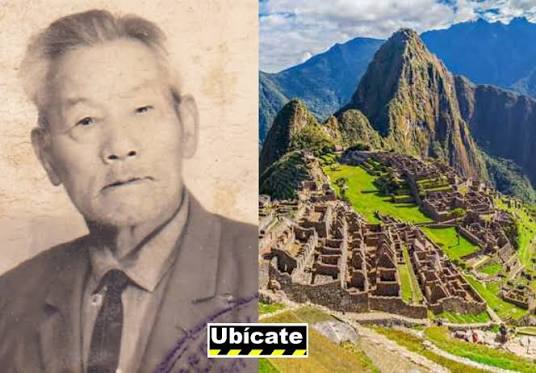
The history of Aguas Calientes, officially known as Machu Picchu Pueblo. Is closely connected to the railway, the growth of tourism. And the people who helped establish the town at the foot of the famous Inca citadel. Among these figures, Óscar Yokichi Nouchi occupies a unique place.
A Japanese immigrant from Fukushima, Nouchi settled in the Machu Picchu area during the first half of the 1920s. He initially worked on the railway connecting Cusco with Santa Ana. And later became involved in the social, economic, and tourism development of the growing settlement.
His story provides a fascinating perspective on the origins of Aguas Calientes. The gateway through which millions of travelers have visited Machu Picchu.
Who Was Óscar Yokichi Nouchi?
Yokichi Nouchi was born in Fukushima, Japan. Historical sources identify him as one of the Japanese immigrants who came to Peru in the early twentieth century.
According to research published by Discover Nikkei, Nouchi arrived in Peru in 1917 and eventually traveled through different parts of South America before reaching Cusco. During the first half of the 1920s, he established himself in what was then known as Maquinachayoc, the settlement that developed into today’s Machu Picchu Pueblo.
In Peru, he was also known as Óscar Nouchi. His life eventually became deeply connected with Machu Picchu and its local community.
Maquinachayoc: Before Aguas Calientes Became a Tourist Town
Today’s Aguas Calientes is filled with hotels, restaurants, shops, train services and tourism infrastructure. However, its origins were very different.
During the early twentieth century, the area served largely as a railway settlement associated with the construction of the Cusco–Santa Ana railway. The settlement was known as Maquinachayoc, a name associated with machinery and the railway works.
The railway was fundamental to the later development of the area because it connected Machu Picchu with other parts of the Cusco region and eventually became an essential component of the modern journey to the archaeological site.
Nouchi arrived during this period of transformation and became involved not only as a railway worker but also as a community builder.
Óscar Nouchi and the Hot Springs of Aguas Calientes
One of the most frequently cited stories about Nouchi concerns the hot springs of Machu Picchu.
According to Discover Nikkei, Nouchi promoted excavation work that resulted in the discovery or development of hot springs that reminded him of the onsen of Japan. He encouraged local residents to use the thermal waters, which became an important part of the identity of the settlement.
This history is closely associated with the origin of the name Aguas Calientes, meaning “hot waters” or “hot springs.”
Today, the thermal waters remain one of the attractions of Machu Picchu Pueblo. The municipality describes the springs as emerging from the subsurface at several points near the Aguas Calientes River, with temperatures ranging from approximately 36°C to 48°C.
The First Hotel in Machu Picchu Pueblo
Nouchi also played an important role in the beginnings of hospitality in the area.
Historical accounts describe a three-story Japanese-style guesthouse built by Nouchi using railway materials, including rails. The building was not simply a place for travelers to stay. Parts of it were made available for community services, including postal and police functions.
El Comercio also reports that Nouchi established the first hotel in Machu Picchu Pueblo in 1935, helping create the foundations for tourism and hospitality in the settlement.
This was an important development because Machu Picchu was gradually becoming a destination for travelers interested in the recently recognized Inca archaeological site.
Óscar Yokichi Nouchi: The First Mayor of Machu Picchu
Nouchi’s growing involvement in the community eventually led him into local government.
According to Discover Nikkei, he became the town’s highest authority in 1939, serving until 1941, and later served again in 1948. He is widely remembered as the first mayor of Machu Picchu.
The historical chronology is sometimes presented differently in published accounts. El Comercio explains that Nouchi became the first municipal authority around 1938–1939, while his position as mayor was formally recognized after Machu Picchu became a district, with the role officially established in 1948.
The Peruvian Ministry of Foreign Affairs likewise identifies Nouchi as the first mayor of Machu Picchu and recognizes his contribution to the town’s economic, tourism and social development.
His Contribution to the Development of Aguas Calientes
Nouchi’s legacy extends beyond his position as a municipal authority. Historical accounts associate him with several aspects of the town’s early development, including:
- Railway-related work and the growth of the settlement.
- Promotion of the local hot springs.
- Early accommodation for visitors.
- Support for postal and police services.
- Community infrastructure and local development.
- The early growth of tourism around Machu Picchu.
These contributions help explain why Nouchi remains an important figure in the history of Machu Picchu Pueblo.
The Japanese Connection to Machu Picchu
Nouchi’s story also created a lasting connection between Japan and Machu Picchu.
In 1958, Japanese Prince Mikasa visited Machu Picchu. According to Discover Nikkei, the Japanese press covering the visit learned about Nouchi’s story, which eventually helped reconnect him with relatives in Fukushima. In 1968, Nouchi returned to Japan and visited his hometown of Otama after more than five decades away.
Nouchi died in 1969.
His legacy continued through his descendants and through cultural initiatives connecting Peru and Japan. In 2019, the Peruvian Foreign Ministry recognized his grandson César Nouchi, who worked to research and promote the history of his grandfather and served as president of the Japan–Machu Picchu Association and director of the Museo Memorial Oscar Yokichi Nouchi.
Machu Picchu and Otama: A Historic Relationship
The connection between Nouchi’s birthplace in Japan and Machu Picchu has continued into the twenty-first century.
In 2015, Machu Picchu and Otama established a sister-city relationship. In 2025, Peru’s Ministry of Foreign Affairs highlighted the tenth anniversary of this relationship and the historical importance of Nouchi’s contribution to Machu Picchu.
This relationship demonstrates how the story of one immigrant became part of a broader cultural connection between Peru and Japan.
Why Óscar Nouchi Matters to the History of Machu Picchu
When visitors think about Machu Picchu, they naturally focus on the spectacular Inca citadel. Yet understanding the history of Aguas Calientes reveals another important chapter.
The town evolved from a small railway settlement into the principal gateway to Machu Picchu. People such as Óscar Yokichi Nouchi were part of that transformation.
His story connects several elements of Peruvian history: Japanese immigration, the development of the railway, the origins of Aguas Calientes, early tourism and the growth of Machu Picchu Pueblo.
For travelers visiting Machu Picchu, learning about Nouchi offers a different perspective on the destination—not only as an archaeological wonder, but also as a living town with its own fascinating history.
Aguas Calientes Today
Today, Machu Picchu Pueblo, commonly called Aguas Calientes, is the principal gateway for visitors traveling to Machu Picchu.
The town provides access to the railway, buses to the archaeological site, hotels, restaurants, markets and the famous thermal baths.
Although the modern town looks very different from the small settlement Nouchi encountered in the 1920s, traces of its early history remain an important part of the destination.
Exploring Aguas Calientes before or after visiting Machu Picchu allows travelers to understand how the railway, local community, tourism and cultural exchange helped shape the town.
Discover the History Behind Machu Picchu
The story of Óscar Yokichi Nouchi adds a human chapter to the history of Machu Picchu. From his arrival in Peru and work on the railway to his involvement in the development of Aguas Calientes and his role as the town’s first mayor, Nouchi became an important figure in the history of this extraordinary destination.
A visit to Machu Picchu is therefore more than a journey to an ancient Inca citadel. It is also an opportunity to discover the history of Machu Picchu Pueblo, Aguas Calientes and the people who helped shape the gateway to one of Peru’s most famous cultural treasures.
Frequently Asked Questions About Óscar Yokichi Nouchi and Aguas Calientes
Who was Óscar Yokichi Nouchi?
Óscar Yokichi Nouchi was a Japanese immigrant from Fukushima who settled in the Machu Picchu area during the first half of the 1920s. He worked on the railway and later became involved in the development of Machu Picchu Pueblo.
Was Óscar Nouchi the first mayor of Machu Picchu?
Yes. Peruvian government sources identify Nouchi as the first mayor of Machu Picchu. Historical sources indicate that he served as the town’s highest municipal authority beginning in 1939, with the municipal position later formally recognized.
Why is Óscar Nouchi important to the history of Aguas Calientes?
Nouchi contributed to the early development of the settlement through his work with the railway, promotion of the hot springs, establishment of accommodation and support for community services.
Why is Aguas Calientes called Aguas Calientes?
The name is associated with the area’s natural hot springs. Historical accounts connect Nouchi with the promotion and development of these thermal waters. Although the exact naming history is presented as a historical tradition rather than a definitively documented single naming event.
Where was Óscar Nouchi from?
Nouchi was from Fukushima Prefecture, Japan, and his birthplace is associated with Otama.
What was Machu Picchu Pueblo called before Aguas Calientes?
Historical sources identify the early settlement as Maquinachayoc, when it was closely associated with the railway and its workers.
What is Aguas Calientes known for today?
Aguas Calientes, or Machu Picchu Pueblo, is best known as the principal gateway to Machu Picchu. It is also known for its railway station, hotels, restaurants, markets and natural thermal baths.
Is Aguas Calientes the same as Machu Picchu Pueblo?
Yes. Machu Picchu Pueblo is the official name commonly used for the town, while Aguas Calientes is the traditional and widely used name.