

Inca Trail 2027 Season – Early Booking Guide.
The Inca Trail 4 days 2027 to Machu Picchu (Classic Inca Trail 4 Days) is one of the most famous and incredible trekking experiences in the world. Recognized by National Geographic as one of the top 10 trails globally, the Inca Trail to Machu Picchu boasts a rich diversity of flora and fauna. This route combines ancient stone paths built by the Incas, breathtaking Andean landscapes, cloud forests, archaeological sites, and an unforgettable arrival at the citadel of Machu Picchu.
For the Inca Trail 4-day 2027 season, this adventure is perfect for travelers who wish to experience Machu Picchu in an authentic way—traversing parts of the historic Qhapaq Ñan (Inca road system) and discovering archaeological sites accessible only by following the enigmatic Inca Trail.
Pacha Expeditions is a certified local tour operator specializing in personalized experiences, small-group travel, and responsible tourism in Cusco and throughout Peru.
To secure a spot on the Inca Trail for the 2027 season, you must book well in advance—ideally 4 to 5 months ahead—to guarantee your place and ensure you can enjoy this unforgettable Andean adventure.
INCA TRAIL – INFORMATION
| FEATURE | INFORMATION |
| Duration | 4 days / 3 nights |
| Destination | Machu Picchu |
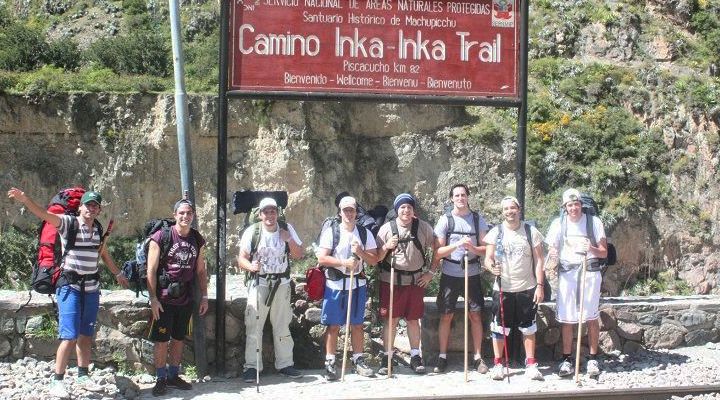
| Starting Point | Km 82 – Piscacucho |
| End of Trek | Inti Punku (Sun Gate) |
| Approximate Distance | 42 km / 26 miles |
| Maximum Altitude | 4,215 m / 13,829 ft |
| Arrival Point | Aguas Calientes |
| Difficulty | Moderate to challenging |
| Accommodation | Camping |
| Type of Experience | Historical and cultural trekking |
INCA TRAIL 4 DAYS 2027 RESERVATIONS AND PERMITS.
Access to the Inca Trail network is regulated by the Peruvian Ministry of Culture and the National Service of Protected Natural Areas (SERNANP). Permits are limited to approximately 250 people per day—including tourists, guides, and porters—and are issued for specific dates. During peak months, spots tend to fill up very quickly.
To plan your 2027 adventure, you should:
- Book through a travel agency authorized to operate on the Inca Trail.
- Provide the exact details from your passport.
- Confirm your departure date and permit availability.
- Make the required payment to secure your reservation.
- Confirm your entry to Machu Picchu and the services included.
- Ensure that your personal information matches the document you will present during the trip.
- If you renew your passport, we recommend bringing both your old and new passports.
Important for 2027: It is advisable to make a pre-reservation well in advance, as many companies are waiting for the Peruvian government to open the sales system and begin issuing permits.
You can find further information on the official platform of the company—Pacha Expeditions. - Climate and altitude along the route
The Inca Trail passes through various ecosystems, ranging from Andean valleys to the cloud forests near Machu Picchu.
INCA TRAIL 04 DAYS 2027 DETAILS
| Location | Approximate altitude |
| Cusco | 3,399 m |
| Km 82 | 2,720 m |
| Wayllabamba | 3,000 m |
| Warmiwañusca | 4,215 m |
| Pacaymayo | 3,600 m |
| Phuyupatamarca | 3,650–3,700 m |
| Wiñay Wayna | 2,650 m |
| Machu Picchu | 2,430 m |
Temperatures can vary considerably. It may be hot in the sun during the day, while nights at the campsites can be quite cold.
Recommendation: Spend at least 2 or 3 days in Cusco before starting the trek to facilitate acclimatization to the altitude.
Why choose the Classic Inca Trail?
- Walk along original trails from the Inca civilization.
- Visit archaeological sites exclusive to this route.
- Enjoy spectacular mountain and cloud forest landscapes.
- Arrive at Machu Picchu on foot via Inti Punku (the Sun Gate).
- Experience an adventure accompanied by professional guides.
Over the course of four days, you will discover some of the most important archaeological sites within the Inca road network:
| Archaeological Site | Characteristics |
| Patallacta | Complex of agricultural terraces and structures |
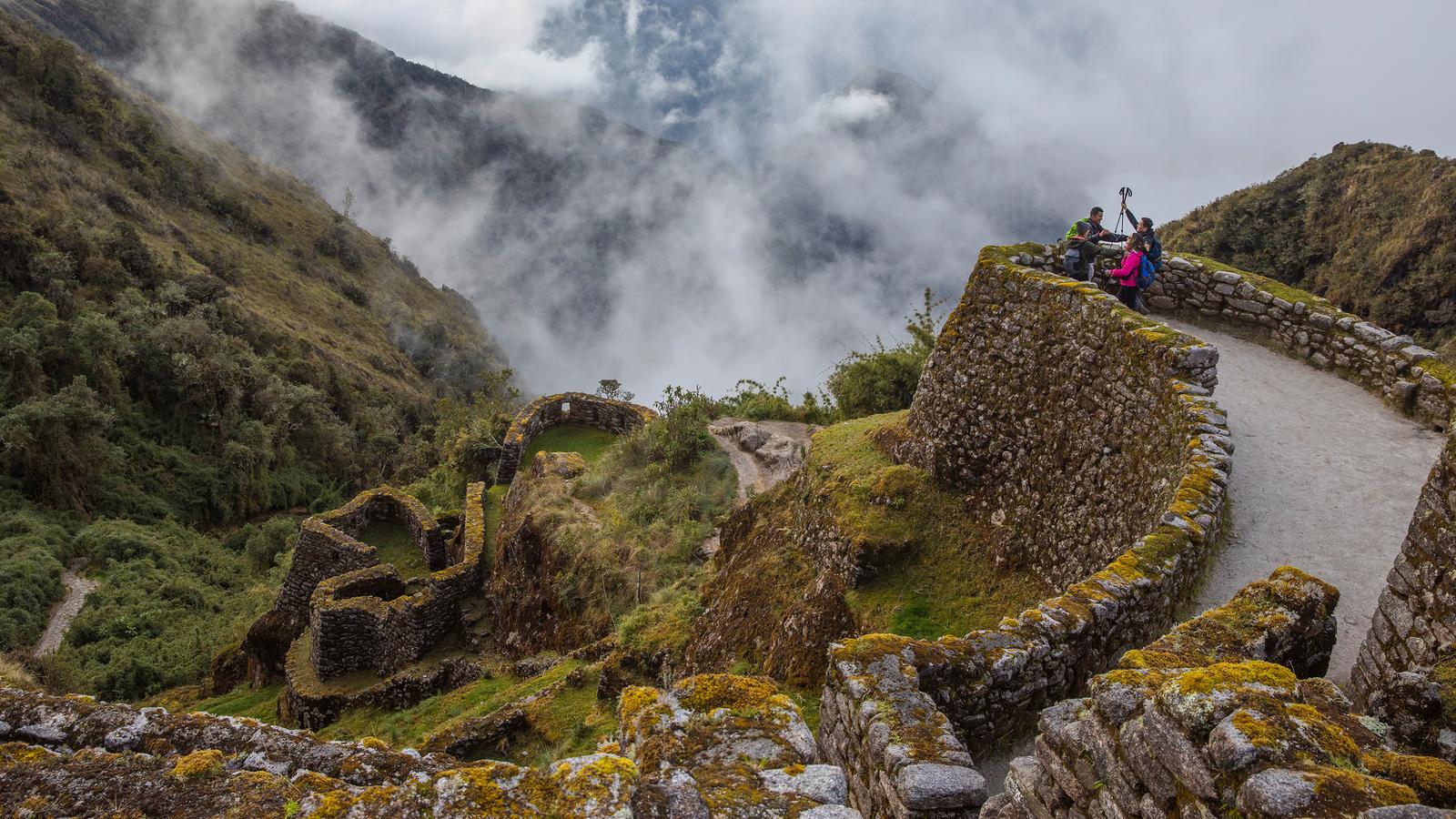
| Runkurakay | Semicircular structure featuring Inca architecture |
| Sayacmarca | Archaeological center situated on a mountain |
| Phuyupatamarca | Ceremonial complex known as the “City Above the Clouds” |
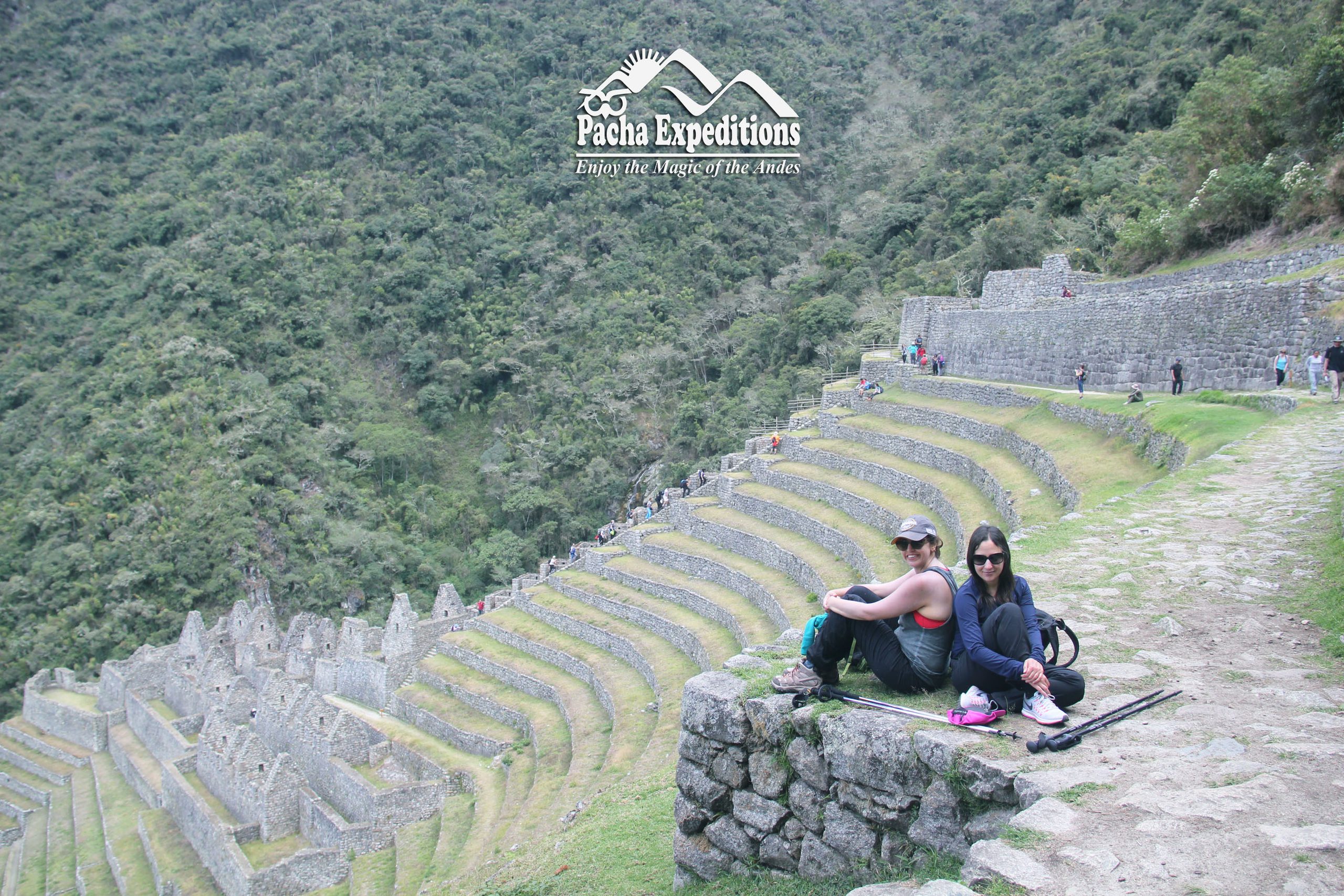
| Wiñay Wayna | Agricultural terraces, fountains, and ceremonial structures |
| Inti Punku The Sun Gate | a scenic gateway to Machu Picchu |
2027 Inca Trail Season: When should you travel?
The Inca Trail experiences two main weather seasons: the dry season and the rainy season.
| Month | General Conditions |
| January | Frequent rain |
| February | Closed for maintenance |
| March | Rainfall begins to decrease |
| April | Good conditions |
| May | Excellent season |
| June | Excellent season |
| July | High tourist demand |
| August | High tourist demand |
| September | Very good season |
| October | Good conditions |
| November | Beginning of the rainy season |
| December | More frequent rain |
Recommended months: May, June, July, August, and September.
Dry season: better chances of clear skies and drier trails.
Rainy season: greener landscapes, but a higher probability of rainfall and slippery trails.
February: The Inca Trail is closed annually for maintenance work.
What should you pack for the 4-day Inca Trail?
- Proper preparation is essential for enjoying the four-day trek.
Clothing and footwear - Comfortable, waterproof trekking boots.
- Trekking pants.
- Breathable t-shirts.
- Waterproof, windproof jacket.
- Warm jacket for the evenings.
- Thermal clothing.
- Trekking socks.
- Sun hat and a wool hat (beanie).
- Gloves.
Personal gear - 25–35 liter backpack.
- Trekking poles with rubber tips.
- Headlamp.
- Reusable water bottle or hydration system.
- Sunscreen.
- Sunglasses.
- Insect repellent.
- Personal hygiene items.
- Personal medications.
- Camera.
For the campsites
- Sleeping bag suitable for cold temperatures.
- Waterproof bag to protect your belongings.
- Small towel.
- Comfortable sleepwear.
What is included in the 4-day Inca Trail with Pacha Expeditions?
Our program is designed to offer comfort, safety, and an authentic experience throughout the entire adventure.
Included services
- Pre-trek briefing.
- Tourist transport from Cusco to Km 82.
- Official permit to enter the Inca Trail.
- Admission to Machu Picchu, as per the program’s authorized itinerary.
- Professional bilingual tour guide.
- Kitchen staff.
- Porters for group equipment. – Transportation of camping equipment.
- Sleeping tents.
- Camping mats, as per the itinerary.
- Meals during the trek (breakfasts, lunches, and dinners).
- Drinking water during the hikes, as organized by the service provider.
- First-aid kit.
- Communication and emergency coordination equipment.
- Return transport by train from Aguas Calientes.
- Return ground transportation to Cusco.
Services not included
- Personal sleeping bag (available for rent).
- Trekking poles (available for rent).
- Breakfast on the first day.
- Lunch and dinner on the last day.
- Gratuities for staff.
- Personal expenses.
- Accommodation in Cusco.
- Travel insurance and evacuation costs not covered by the program.
- Additional services not specified in the booking.
The final services and terms must be detailed in the individual quote.
How can you prepare physically for the Inca Trail?
The four-day Inca Trail requires physical endurance, especially on the second day, when you reach the Warmiwañusca pass.
We recommend beginning your physical preparation 4 to 6 weeks before your trip.
Recommended exercises:
- 1- to 3-hour hikes.
- Walking up and down stairs.
- Hiking on trails with inclines.
- Cardiovascular exercises.
- Leg-strengthening exercises.
- Training while carrying a light backpack.
You do not need to be a professional athlete, but you should be in good enough physical condition to hike for several hours over four consecutive days.
Important consideration for 2027: Machu Picchu has regulated visitor circuits and routes. Final access for Inca Trail hikers must be coordinated in accordance with your specific permit and current regulations. Do not assume that any additional circuits are included.
For 2027, the Ministry of Culture has set a maximum daily capacity of 5,600 visitors during certain peak-season dates, and 4,500 visitors on other days. This capacity limit applies to Machu Picchu and should not be confused with the daily permit quotas for the Inca Trail.
Important tips for traveling in 2027:
- Book your Inca Trail trek well in advance, especially for June, July, and August.
- Verify permit availability before purchasing international flights.
- Provide accurate passport information.
- Arrive in Cusco early to allow for acclimatization.
- Wear hiking boots that you have already broken in.
- Stay hydrated during your hikes.
- Follow the instructions provided by your guide and park rangers.
- Do not leave any waste on the trails or at campsites.
- Pack clothing suitable for temperature fluctuations.
- Purchase travel insurance that covers high-altitude trekking activities.
Frequently Asked Questions – 4-Day Inca Trail 2027
How many kilometers long is the 4-day Inca Trail?
The classic route covers approximately 42 kilometers, from km 82 to Machu Picchu.
What is the maximum altitude on the Inca Trail?
The highest point is the Warmiwañusca pass, at approximately 4,215 meters above sea level.
Is the Inca Trail difficult?
It ranges from moderate to challenging in terms of difficulty. The second day is the most demanding due to the ascent to the mountain pass.
When is the best time of year to hike the Inca Trail?
Generally, the best weather conditions occur between May and September, though July and August see the highest demand.
Is the Inca Trail open in February 2027?
No. The Inca Trail remains closed throughout February for annual maintenance.
Can I hike the Inca Trail without a guide?
No. You are required to book the service through an authorized agency and be accompanied by an officially licensed guide.
Where does the Inca Trail begin?
The classic four-day route begins at Piscacucho—known as “km 82″—in the Sacred Valley of the Incas.
Where do you sleep during the trek?
You sleep at designated, authorized campsites along the route. The specific locations depend on the planned itinerary and availability.
Is the Inca Trail open year-round?
It is generally open from March to January, with the exception of February, when it closes for maintenance.
When should I book the 2027 Inca Trail?
It is highly recommended to plan and make a pre-booking well in advance, especially for the high season. Final confirmation depends on the official issuance of your permit.
Can I visit Huayna Picchu after the Inca Trail?
This is possible only if there is availability and you obtain the necessary additional ticket, with a time slot and circuit that align with your itinerary. Book Your 4-Day Inca Trail – 2027 Season
4-DAY / 3-NIGHT INCA TRAIL – 2027
Early bookings: Enjoy an unforgettable experience as you trek along ancient Inca paths, ultimately arriving at Machu Picchu.
Pacha Expeditions – 100% Local Tourism Company
- Local tour operator based in Cusco.
- Professional guides.
- Small groups and personalized attention.
- Responsible tourism and support for local communities.
- Authentic experiences in the Peruvian Andes.
DETAILED ITINERARY: INCA TRAIL 4 DAYS / 3 NIGHTS
Day 1: Cusco – Km 82 – Llactapata – Wayllabamba
DISTANCE: APPROX. 12 KM · 6–7 HOURS
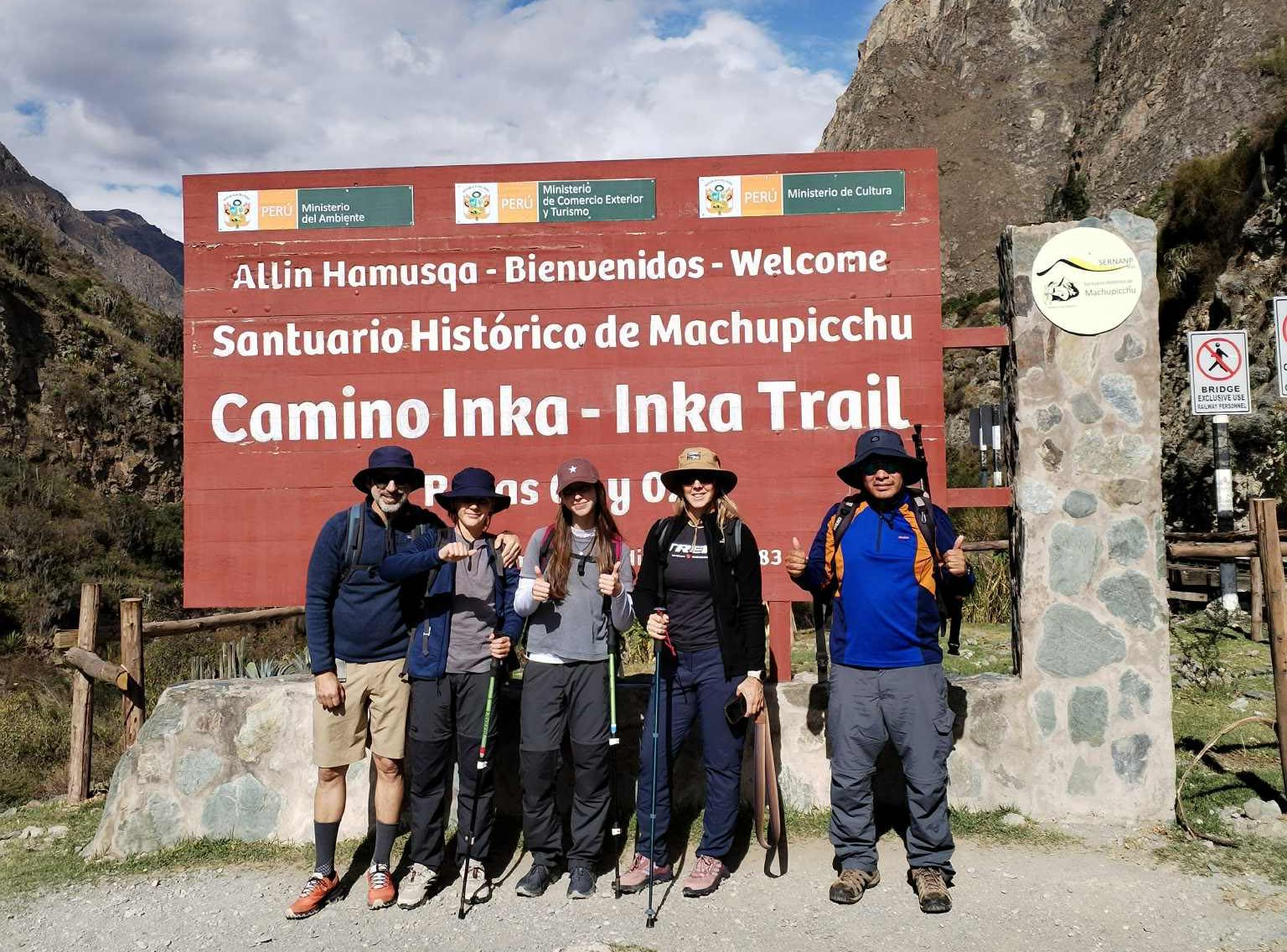
The journey begins early in Cusco, with transport to Piscacucho (Km 82), the official starting point of the classic Inca Trail.
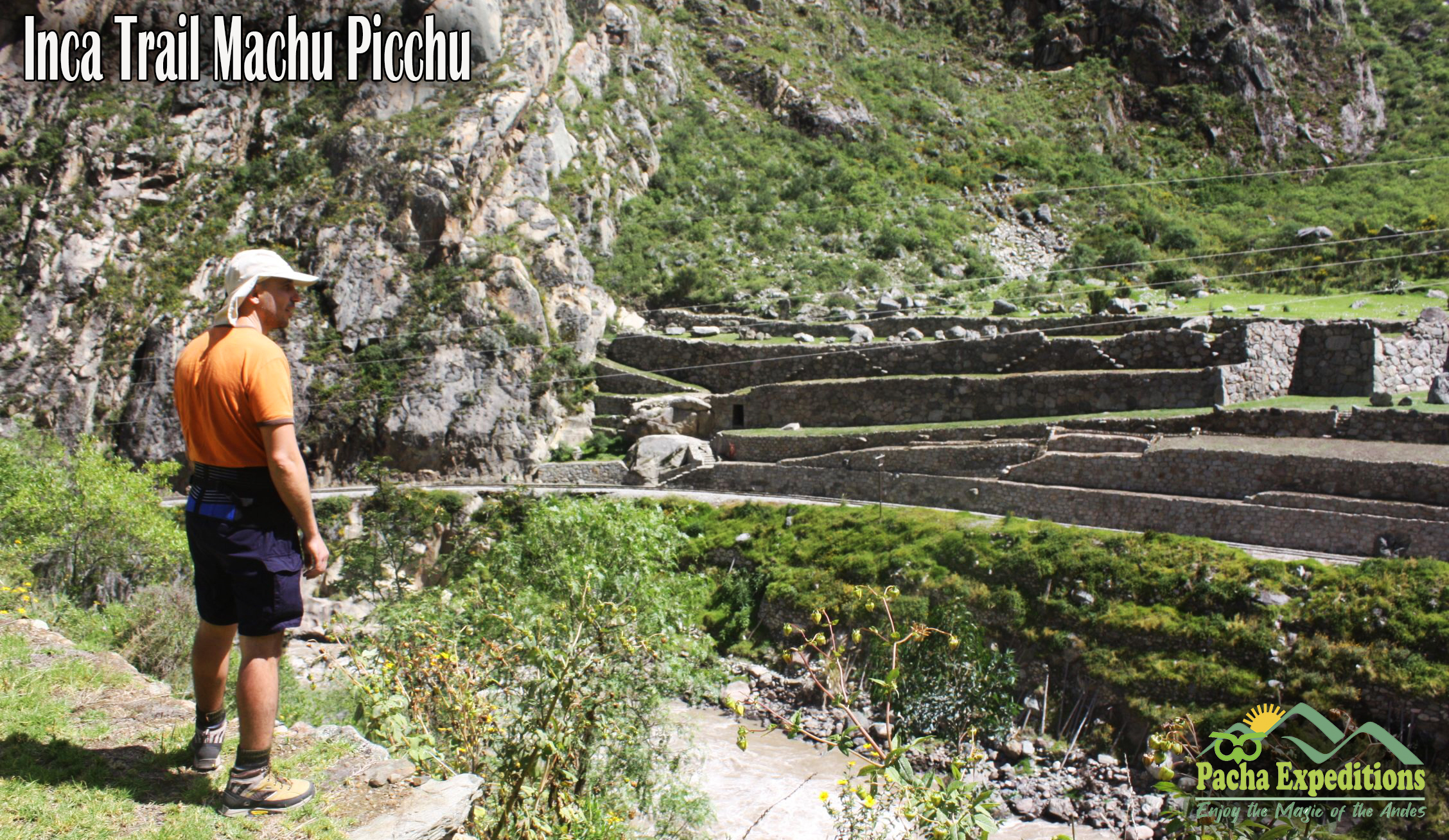
After checking in at the entrance control point, we will begin the hike, following the Urubamba River. We will visit the archaeological complex of Patallacta (Llactapata), where we can see ancient agricultural terraces and Inca structures.
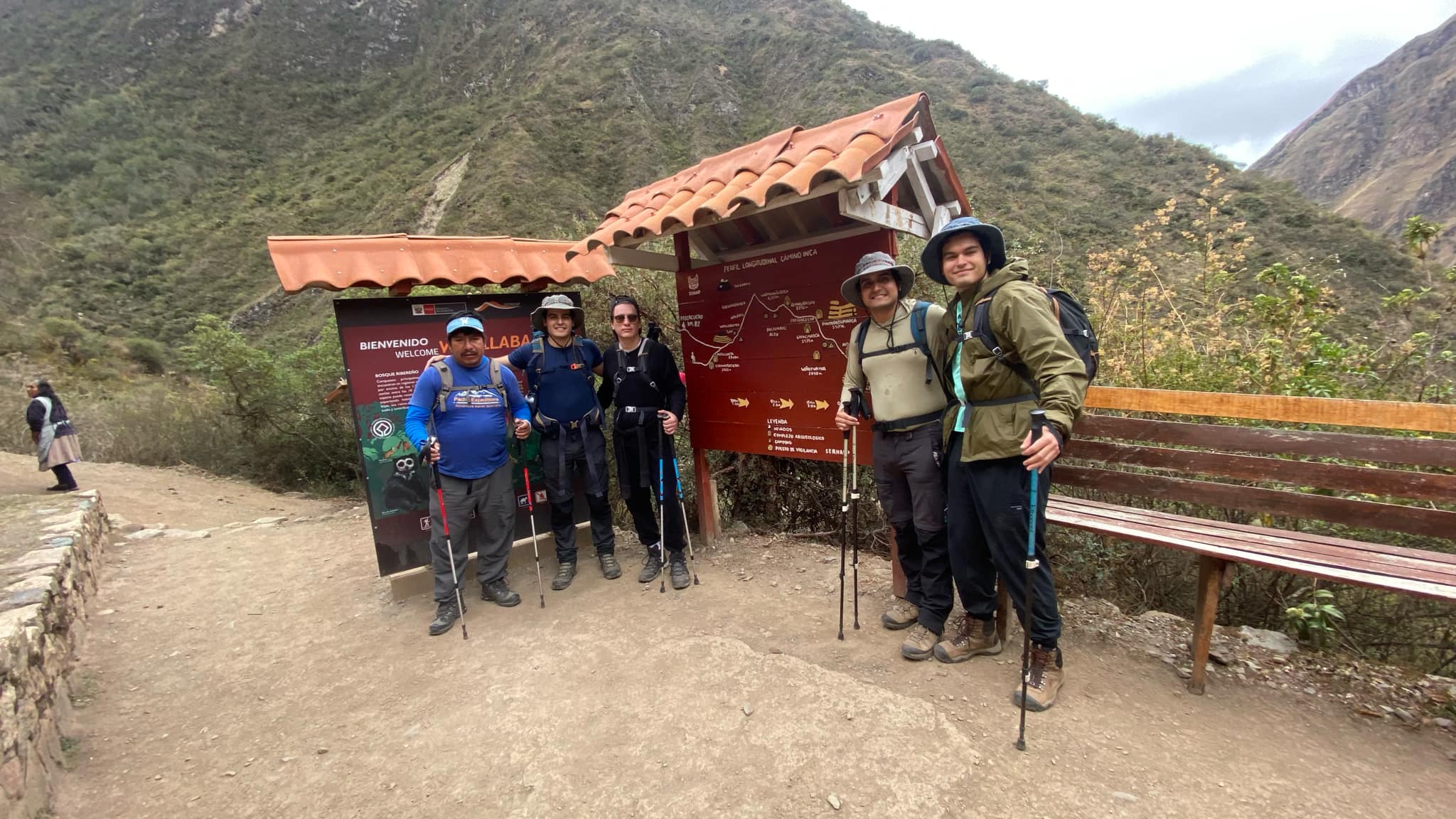
We will continue through a valley surrounded by mountains until we reach Wayllabamba, our first campsite.
Starting altitude: 2,720 m · Campsite: approx. 3,000 m
Day 2: Wayllabamba – Warmiwañusca – Pacaymayo
DISTANCE: APPROX. 11 KM · 7–9 HOURS
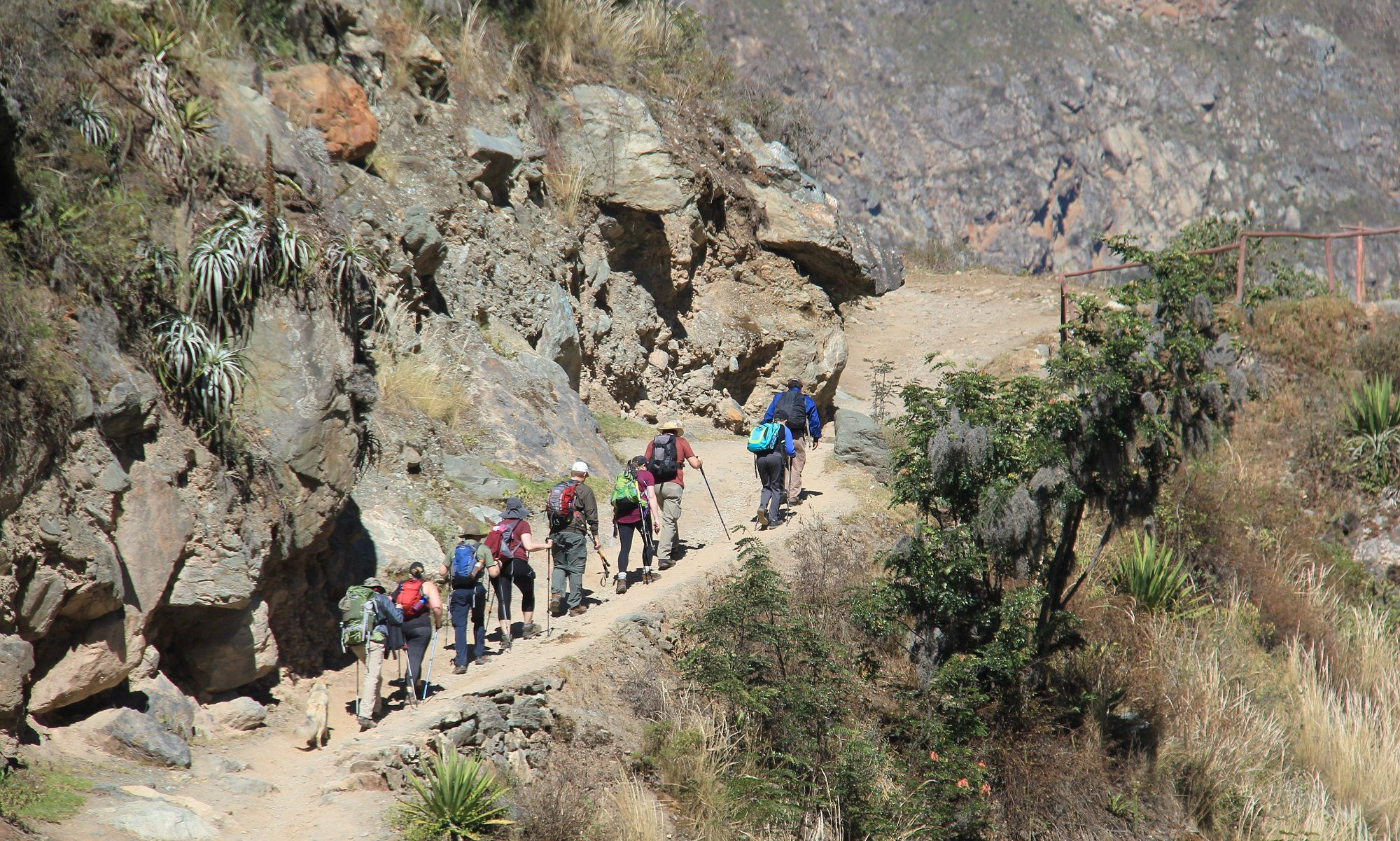
This is considered the most demanding day of the trek. After breakfast, we will begin our ascent along mountain trails, passing through Andean forests and puna (high-altitude grassland) landscapes.
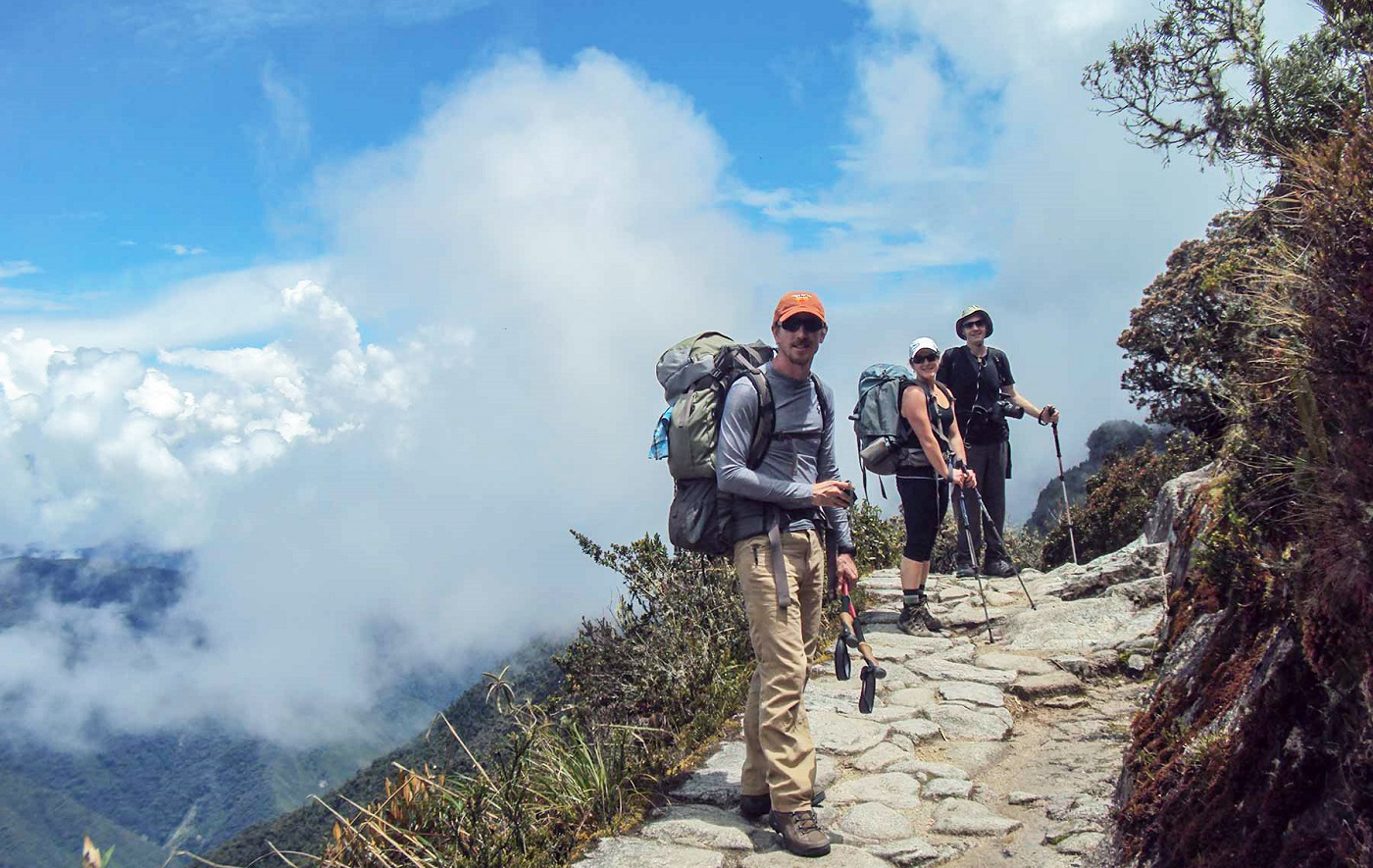
We will reach the famous Warmiwañusca pass—known as “Dead Woman’s Pass”—at approximately 4,215 meters above sea level. From the summit, we will enjoy breathtaking views of the Andes mountains.
Afterward, we will descend via stone stairways to the Pacaymayo campsite, where we will rest and recover our energy.
Highest pass: 4,215 m · Campsite: approx. 3,600 m
Day 3: Pacaymayo – Runkurakay – Sayacmarca – Phuyupatamarca – Wiñay Wayna
DISTANCE: APPROX. 15–16 KM · 8–9 HOURS
This is one of the most spectacular days, rich in both archaeological and natural wonders.
We will visit Runkurakay, an ancient, semicircular site; ascend toward the second mountain pass; and explore Sayacmarca, an impressive archaeological complex built atop a mountain.
We will continue along stone-paved paths, through Inca tunnels, and across cloud forest landscapes until we reach Phuyupatamarca, known as the “City Above the Clouds.”
Finally, we will descend toward Wiñay Wayna—one of the most beautiful archaeological sites on the route—featuring agricultural terraces, ceremonial fountains, and stone structures.
Approximate maximum altitude: 3,950 m · Campsite: approximately 2,650 m
Day 4: Wiñay Wayna – Inti Punku – Machu Picchu – Cusco
DISTANCE: APPROX. 5 KM · 2–3 HOURS OF HIKING
We will wake up very early for breakfast and begin the final leg of the Inca Trail.
We will hike along stone paths until we reach Inti Punku (the Sun Gate), the historic ceremonial entrance, where we will get our first panoramic view of Machu Picchu.
Afterward, we will descend toward the citadel for a guided tour, exploring its main archaeological sectors, plazas, temples, and terraces.
Once the tour concludes, we will descend to Aguas Calientes, where we will board the train back to Ollantaytambo, followed by a transfer to Cusco.
Machu Picchu: approximately 2,430 m · Aguas Calientes: approximately 2,040 m
Note: Distances, travel times, and campsites are approximate. The final itinerary depends on permits, campsite availability, and the operational planning for each specific departure.