
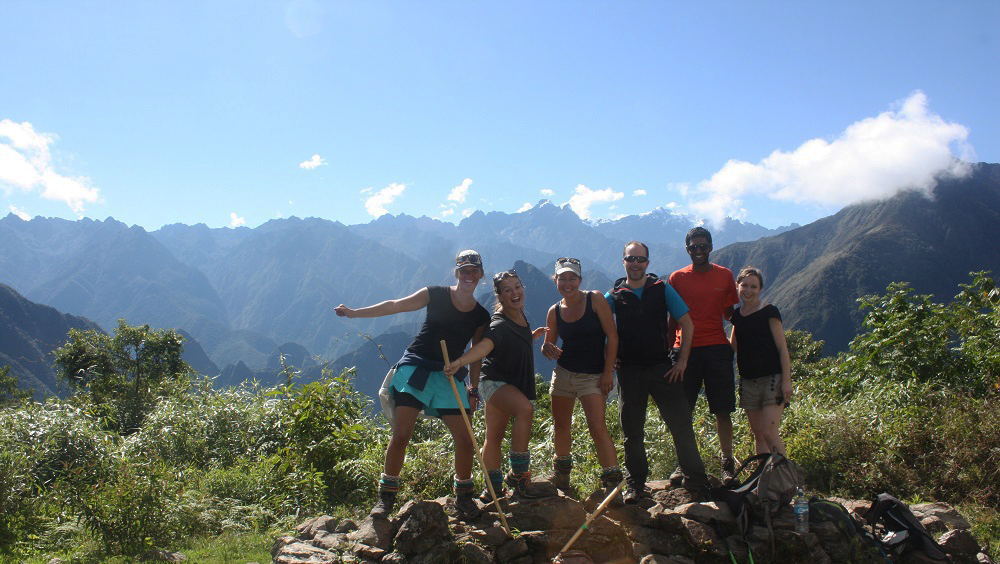
Llactapata Viewpoint on the Salkantay Trek to Machu Picchu
The Llactapata Viewpoint is one of the most spectacular highlights of the Salkantay Trek to Machu Picchu. Located on an elevated ridge in the cloud forest, near the archaeological site of Llactapata, it offers a unique perspective of Machu Picchu from across the valley.
For many trekkers, this is their first distant view of Machu Picchu before reaching the famous Inca citadel the following day. Unlike the views from inside Machu Picchu, Llactapata allows you to appreciate the sanctuary within its dramatic mountain landscape.
Where Is Llactapata Viewpoint?
Llactapata is located in the Santa Teresa area of Cusco, on a mountain ridge between the Aobamba and Santa Teresa valleys. The viewpoint is approximately 2,700–2,800 meters (8,860–9,185 feet) above sea level.
The viewpoint is normally reached during the later stages of the Salkantay Trek, particularly on itineraries traveling from Lucmabamba toward Hidroeléctrica and Aguas Calientes.
The View of Machu Picchu
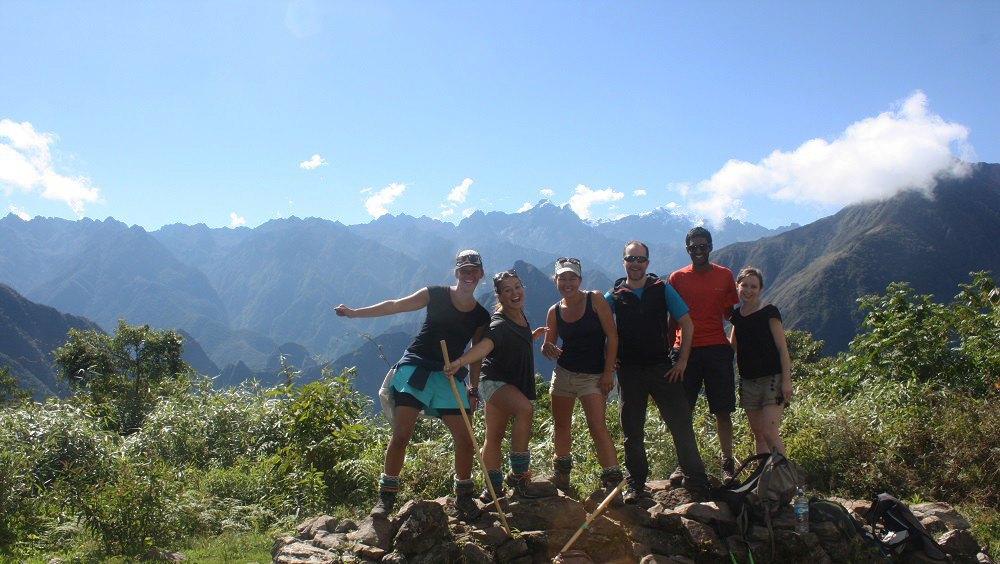
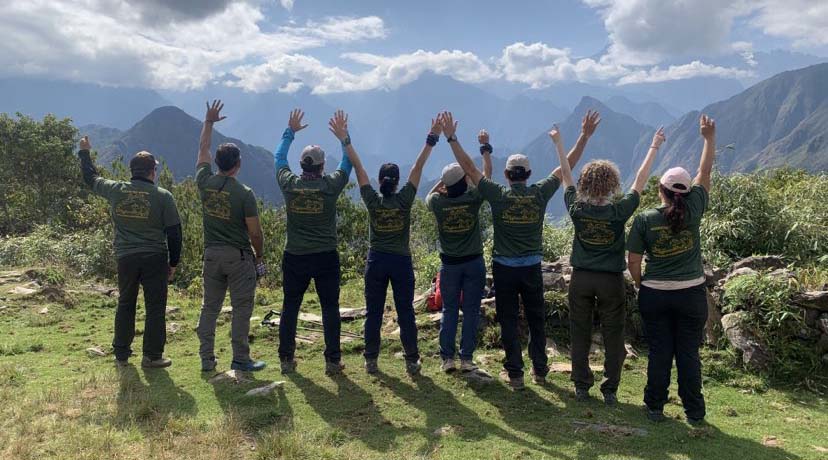
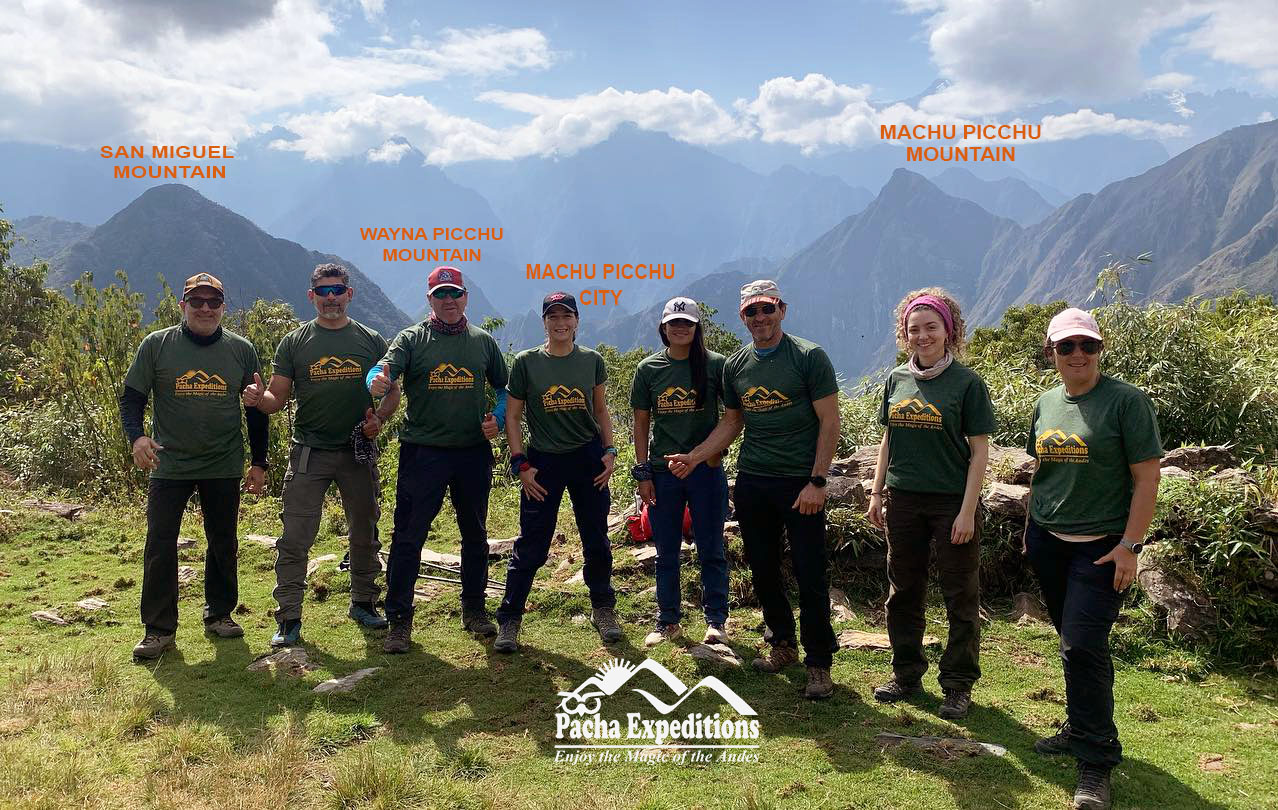
The main attraction of Llactapata is its panoramic view toward Machu Picchu and Huayna Picchu. From the ridge, the citadel appears across the valley, surrounded by steep green mountains and cloud-forest vegetation.
This viewpoint provides a completely different photographic perspective of Machu Picchu and helps travelers understand how the ancient sanctuary is integrated into the surrounding landscape.
Llactapata on the Salkantay Trek
On many 5-day Salkantay Trek itineraries, the Llactapata section is included on Day 4. The route commonly begins around Lucmabamba, climbs through agricultural areas and cloud forest to Llactapata. And then descends toward Aobamba and Hidroeléctrica.
From Hidroeléctrica, travelers can continue toward Aguas Calientes either by walking along the railway route or, depending on the itinerary, by train.
Hiking Difficulty
The Llactapata section is generally considered moderate, with uphill and downhill sections, humid conditions and potentially slippery terrain. The ascent from Lucmabamba can take approximately 3–4 hours. While the descent toward Hidroeléctrica may require another 2–3 hours, depending on the itinerary and walking pace.
Good hiking shoes, water, sun protection and rain protection are recommended.
Why Visit Llactapata?
Llactapata is more than a viewpoint. It combines Inca archaeology, trekking, nature and spectacular scenery in one experience. The archaeological site is situated on a ridge overlooking the valley. And its location provides an exceptional vantage point toward Machu Picchu.
Highlights of Llactapata Viewpoint
- Panoramic views of Machu Picchu
- Views toward Huayna Picchu
- Ancient Inca archaeological remains
- Original or historic sections of the mountain trail
- Cloud-forest scenery
- Coffee plantations and tropical vegetation
- A quieter alternative to crowded viewpoints
- Excellent photography opportunities
Why the Llactapata Viewpoint is Special
- The Reverse Angle: From this ridge, you look across the Aobamba Valley and see Machu Picchu Mountain, Huayna Picchu, and portions of the archaeological site from the southwest—an angle completely opposite to the standard tourist entrance.
- Inca Ruins on Site: Llactapata isn’t just a viewpoint; it is an extensive Incan archaeological site itself. Originally discovered and documented in part by Hiram Bingham, the ruins consist of several sectors, agricultural terraces, and ceremonial structures that are believed to have been an important checkpoint and resting place on the ancient Inca road network connected to Machu Picchu.
- The Salkantay Connection: On many extended Salkantay itineraries (often 5 days / 4 nights), trekkers descend from the high mountain passes through Lucmabamba and climb up the original stone Inca trail toward Llactapata before descending further to Hydroelectric (Hidroeléctrica) and walking along the train tracks to Aguas Calientes.
Practical Tips for Visiting
- The Hike: Reaching the viewpoint from the valley floor (near Lucmabamba) involves a steady, sometimes steep climb up an original Incan stairway through lush cloud forest and coffee plantations.
- Best Time for Views: Early morning is usually the best time to catch clear skies, before clouds build up over the peaks.
- What to Bring: Insect repellent is essential due to the humid jungle environment, along with plenty of water, trekking poles for the steep descent, and your camera with a good zoom lens to capture the distant view of Machu Picchu.
Best Time to Visit Llactapata
The dry season, generally from May to October, is often preferred for trekking because of more favorable hiking conditions. However, cloud and mist can occur throughout the year because Llactapata is located in the cloud forest.
Clear weather offers the best opportunity to see Machu Picchu from the viewpoint.
Llactapata vs. Machu Picchu
Llactapata does not replace the visit to Machu Picchu. Instead, it provides a complementary perspective.
At Llactapata, you see Machu Picchu from a distance, surrounded by its natural environment. The following day, you can explore the archaeological sanctuary itself and appreciate its architecture up close.
Llactapata is therefore one of the most memorable moments of the Salkantay Trek—a first glimpse of Machu Picchu before reaching the destination.