The Incas and the Summer Solstice in the Southern Hemisphere.
Incas and the summer solstice. Discover how the ancient Incas celebrated the solstice and its connection to agriculture, astronomy, Andean spirituality, and the sacred landscapes of Cusco, Peru.
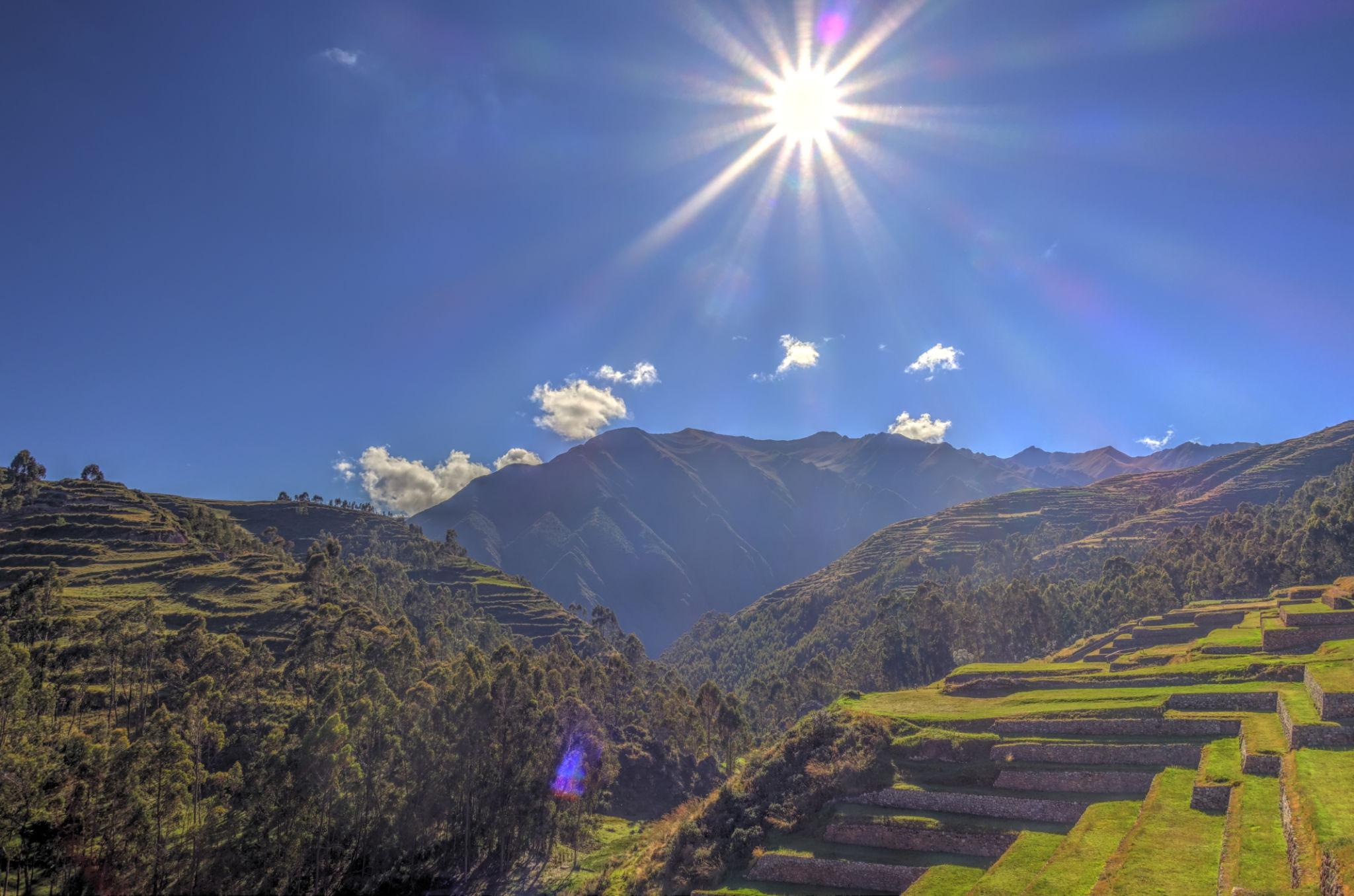
The summer solstice is one of the most important astronomical events of the year. In the Southern Hemisphere, it occurs around December 21 or 22, when the Sun reaches its southernmost position in the sky, producing the longest day and shortest night of the year.
For the ancient Incas, the Sun was much more than a celestial body. It was a powerful deity, a source of life, and the foundation of their agricultural, religious, and political traditions. Their close observation of the Sun helped them organize farming activities, understand seasonal changes, and construct ceremonial spaces aligned with astronomical events.
Today, visitors to Cusco and the Sacred Valley can discover this fascinating relationship between the Inca civilization and the movements of the Sun.
1. What Is the Summer Solstice in the Southern Hemisphere?
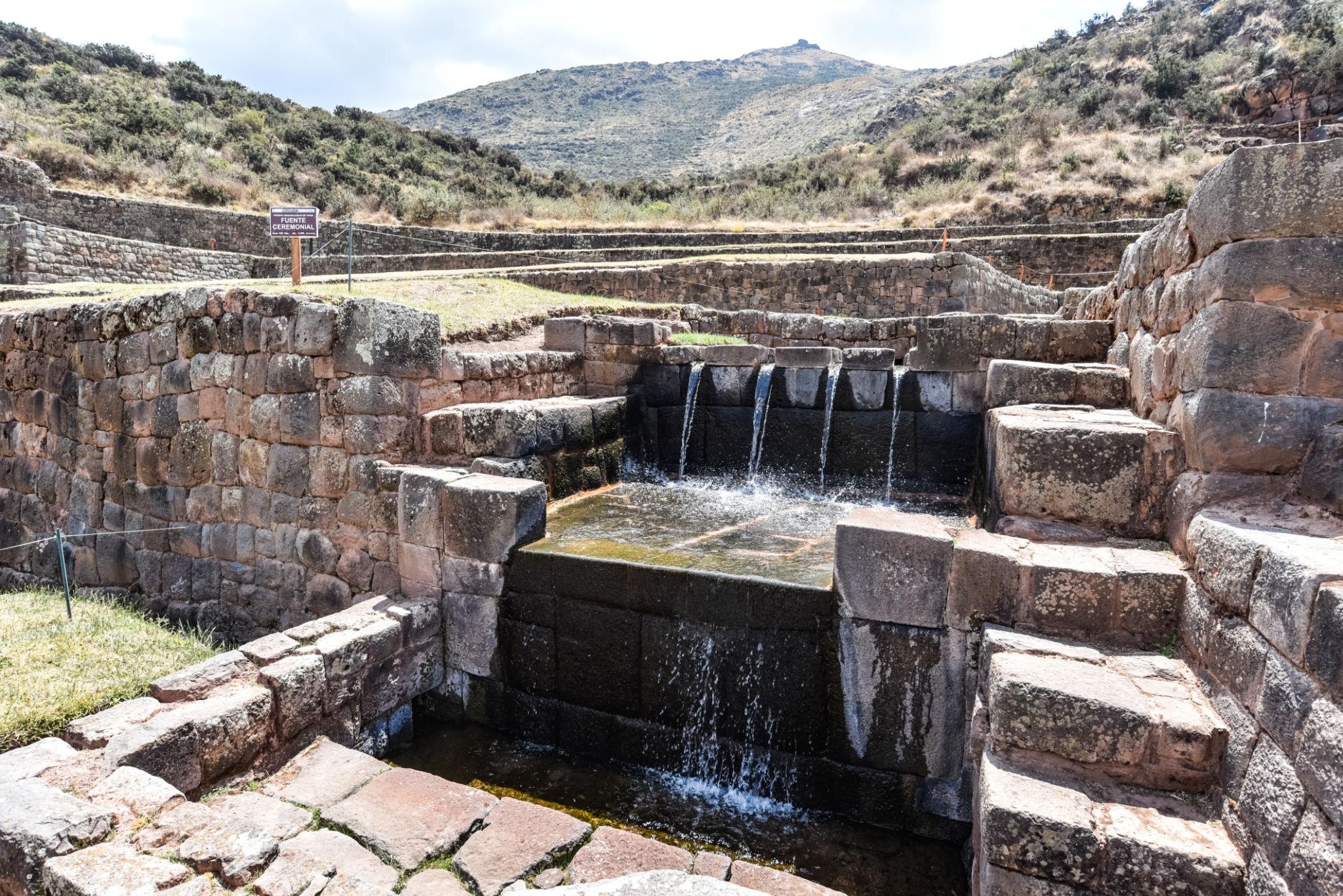
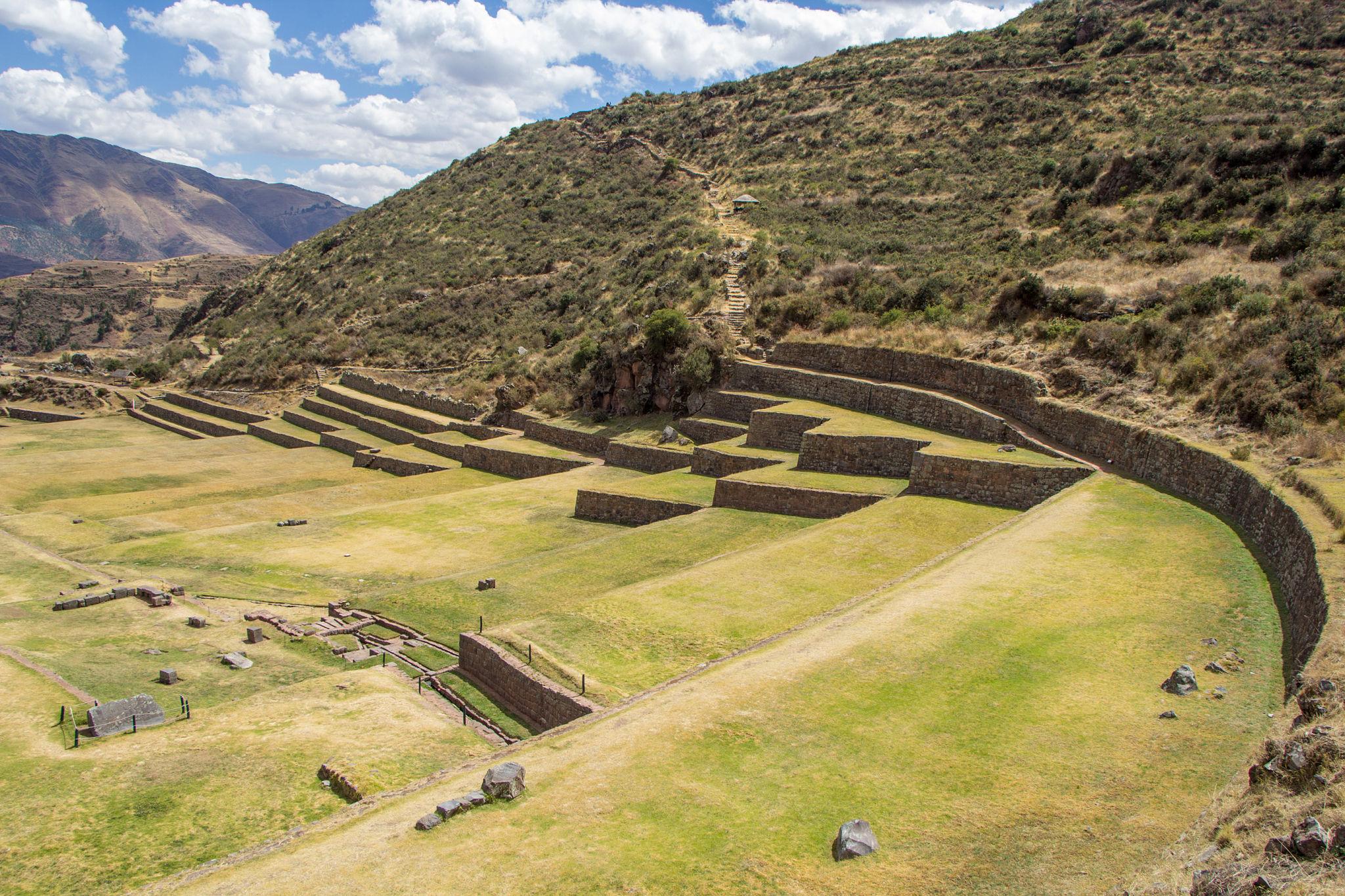
The summer solstice takes place when the Southern Hemisphere is tilted most directly toward the Sun. This astronomical event marks the beginning of summer and the longest period of daylight of the year.
In Peru, particularly in the Andean region of Cusco, the December solstice occurs during the rainy season.
Important characteristics include:
- Date: Usually December 21 or 22.
- Daylight: The longest daylight period of the year.
- Sun position: The Sun reaches its southernmost apparent position.
- Season in Peru: Beginning of astronomical summer.
- Agriculture: A significant period in the growing season of Andean crops.
For the Incas, these seasonal changes were essential for understanding the agricultural calendar and planning religious ceremonies. Incas and the summer solstice.
2. Qhapaq Raymi: The Inca Celebration of the December Solstice
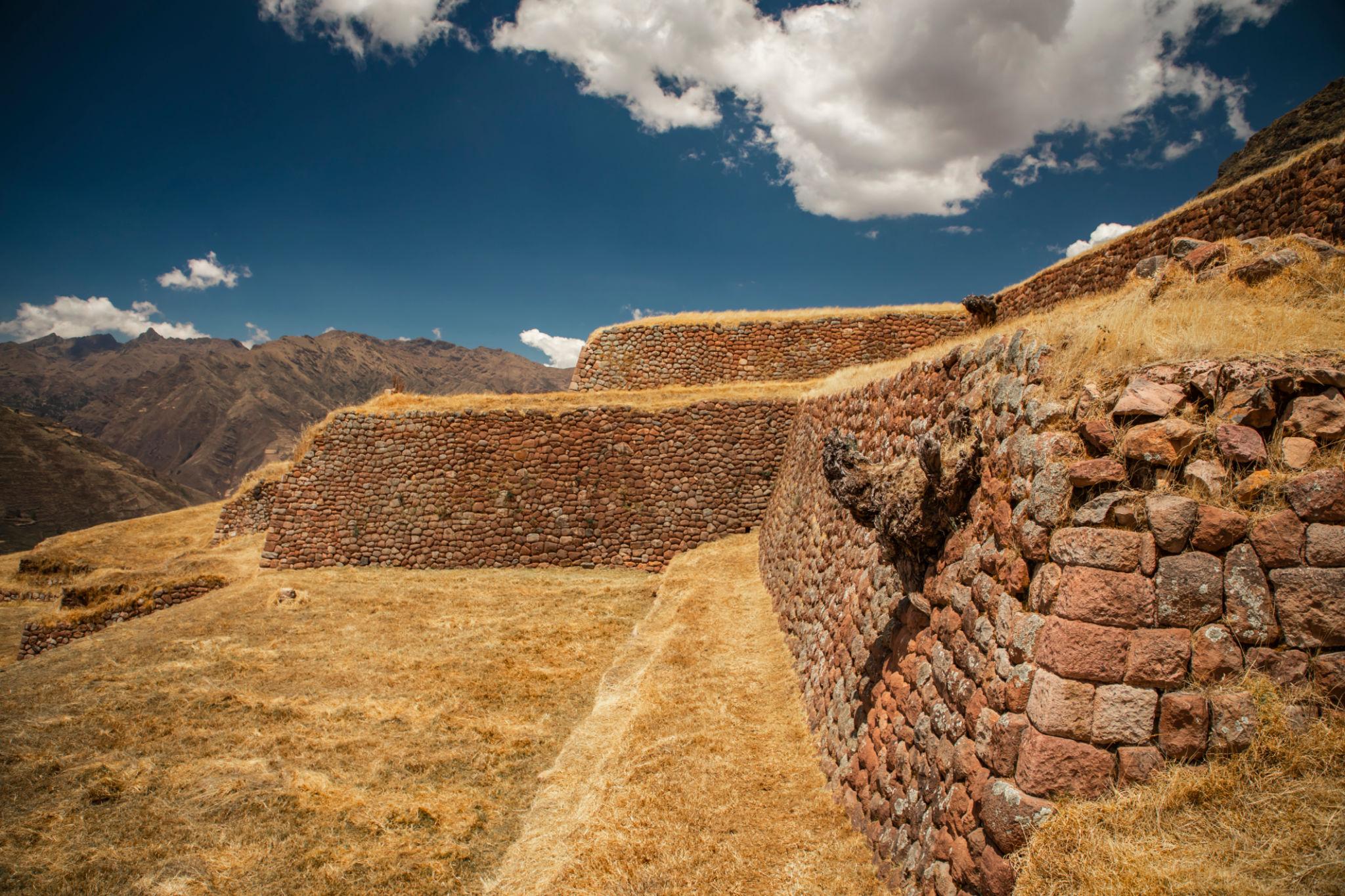
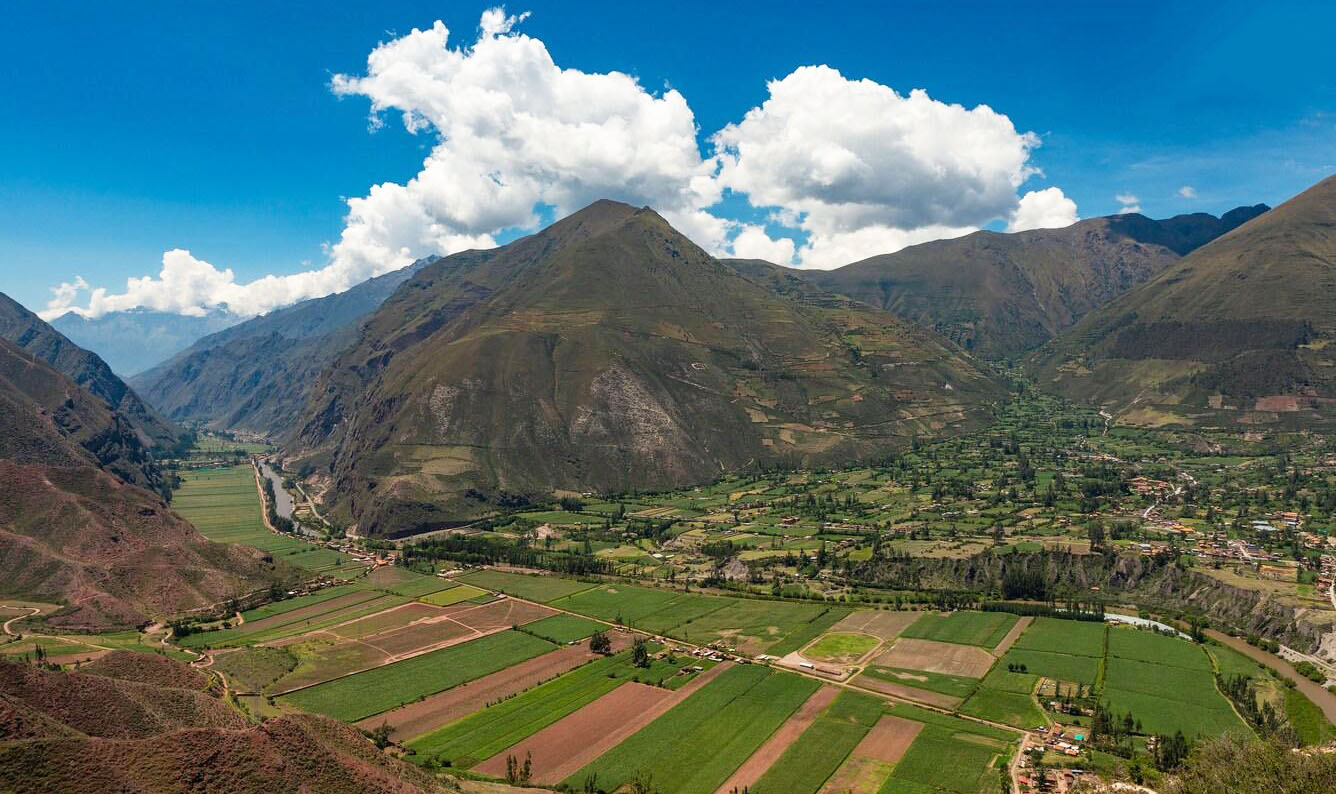
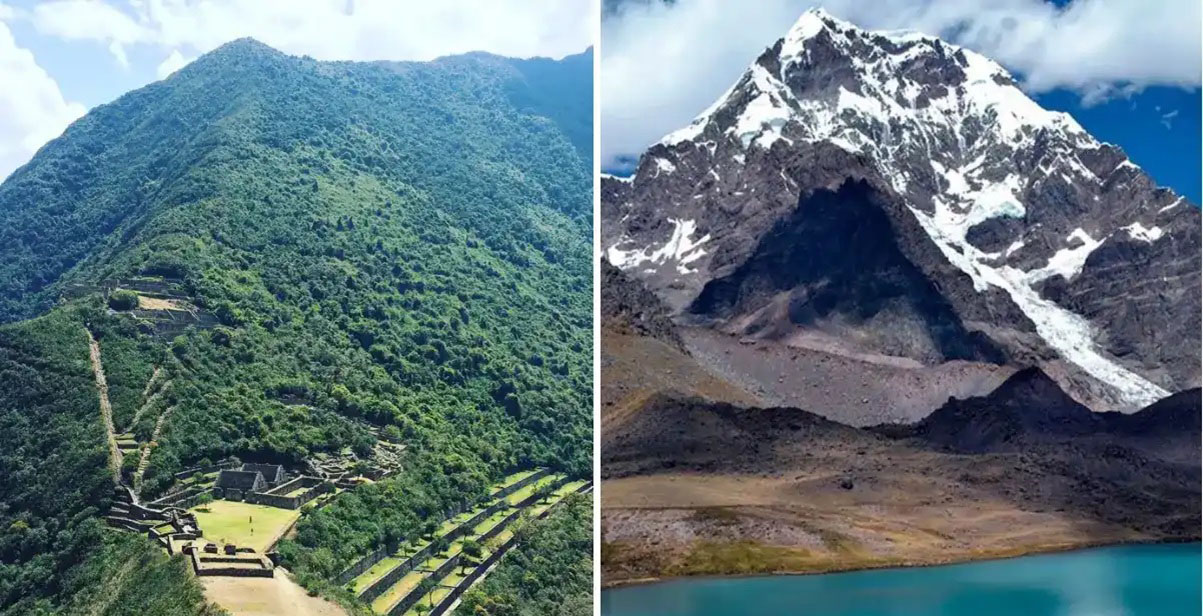
The December solstice was associated with Qhapaq Raymi, also written Capac Raymi, an important celebration in the Inca ceremonial calendar.
This festival was dedicated to the Sun and associated with renewal, authority, and the transition into a new stage of life.
One of its most significant elements was the Warachikuy, an initiation ceremony in which young men of Inca noble lineages underwent rites marking their transition into adulthood.
The celebration included:
- Religious ceremonies honoring the Sun.
- Traditional music and ceremonial dances.
- Offerings and ritual activities.
- Coming-of-age ceremonies for young men.
- Celebrations connected to the Inca royal calendar.
Incas and the summer solstice. Raymi shows that the December solstice held important spiritual and political meaning in Inca society. Historical and archaeological research identifies it as the counterpart to the June solstice celebration of Inti Raymi. Wiley Online Library+1
3. The Sun God Inti and Inca Spirituality
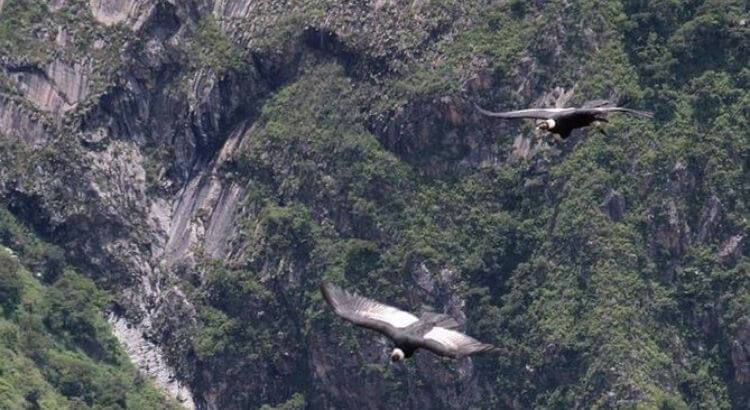
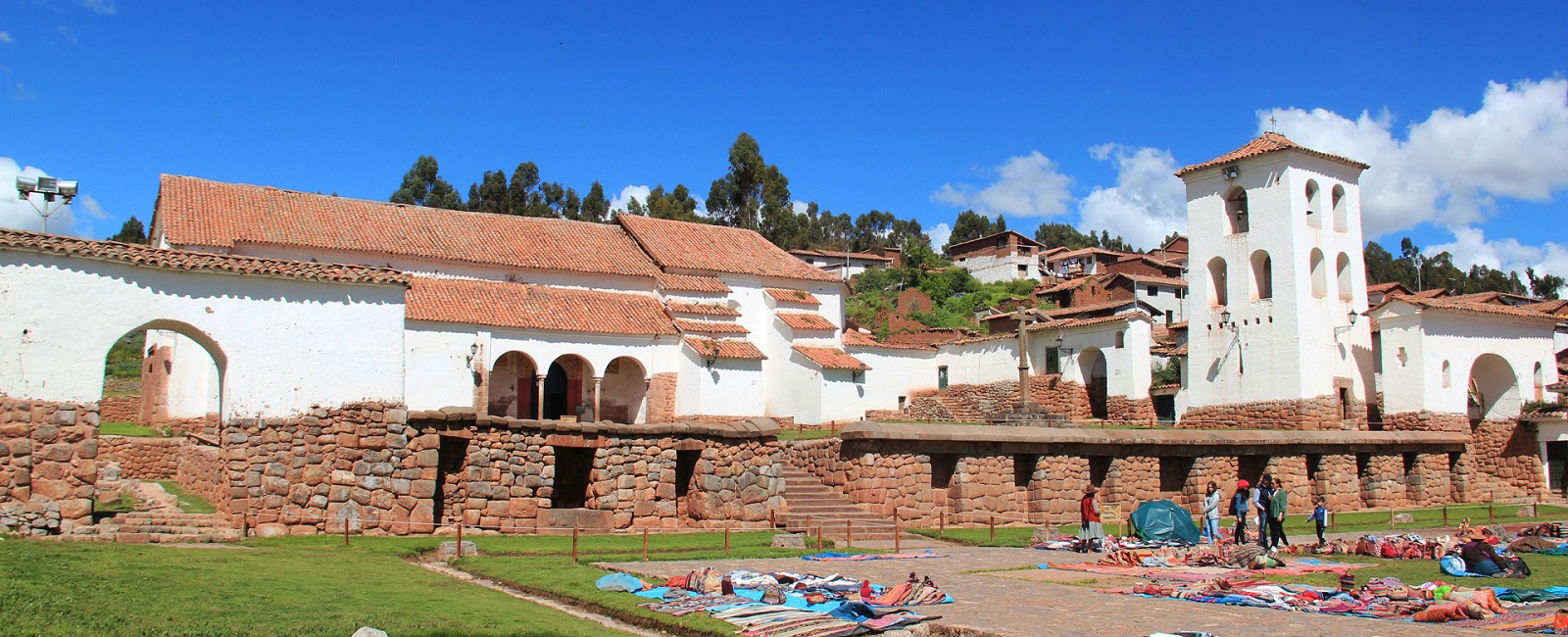
The Sun, known as Inti, was one of the most important deities in the Inca religion.
The Incas believed that Inti provided warmth, light, fertility, and energy for life. The emperor, known as the Sapa Inca, was considered a descendant of the Sun, reinforcing the religious authority of the royal dynasty.
Solar worship was closely connected to:
- Agricultural productivity and food security.
- Religious ceremonies and sacred offerings.
- The legitimacy of the Inca ruler.
- The organization of the ceremonial calendar.
- The relationship between humans, nature, and the cosmos.
The Incas incorporated solar symbolism into temples, sacred stones, ceremonial platforms, and architectural structures throughout their empire.
4. Inca Astronomy: Understanding the Movements of the Sun
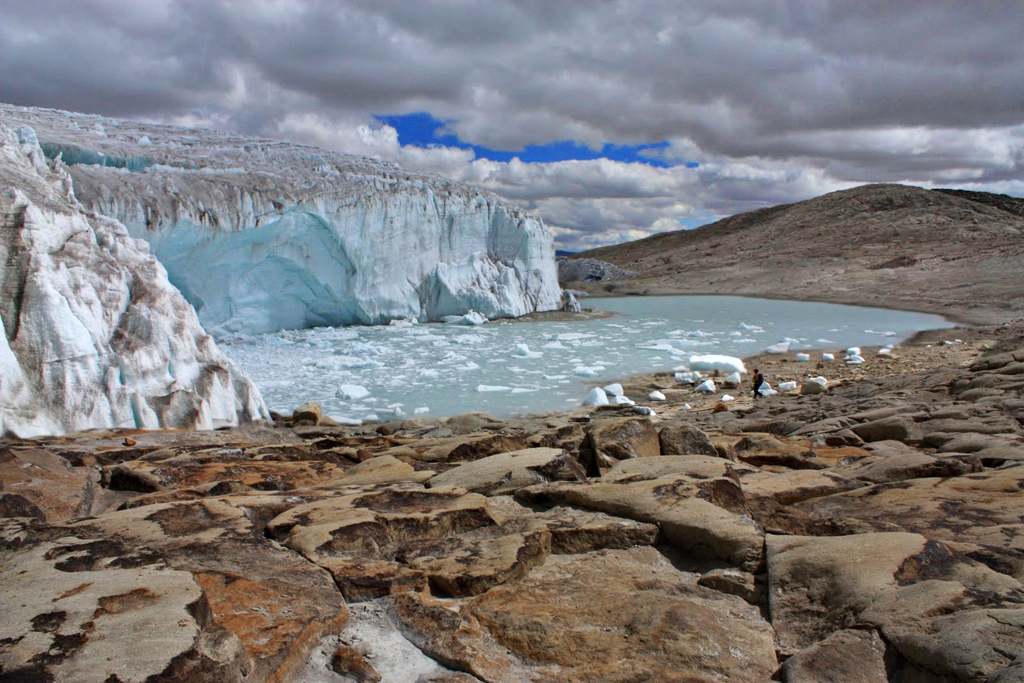
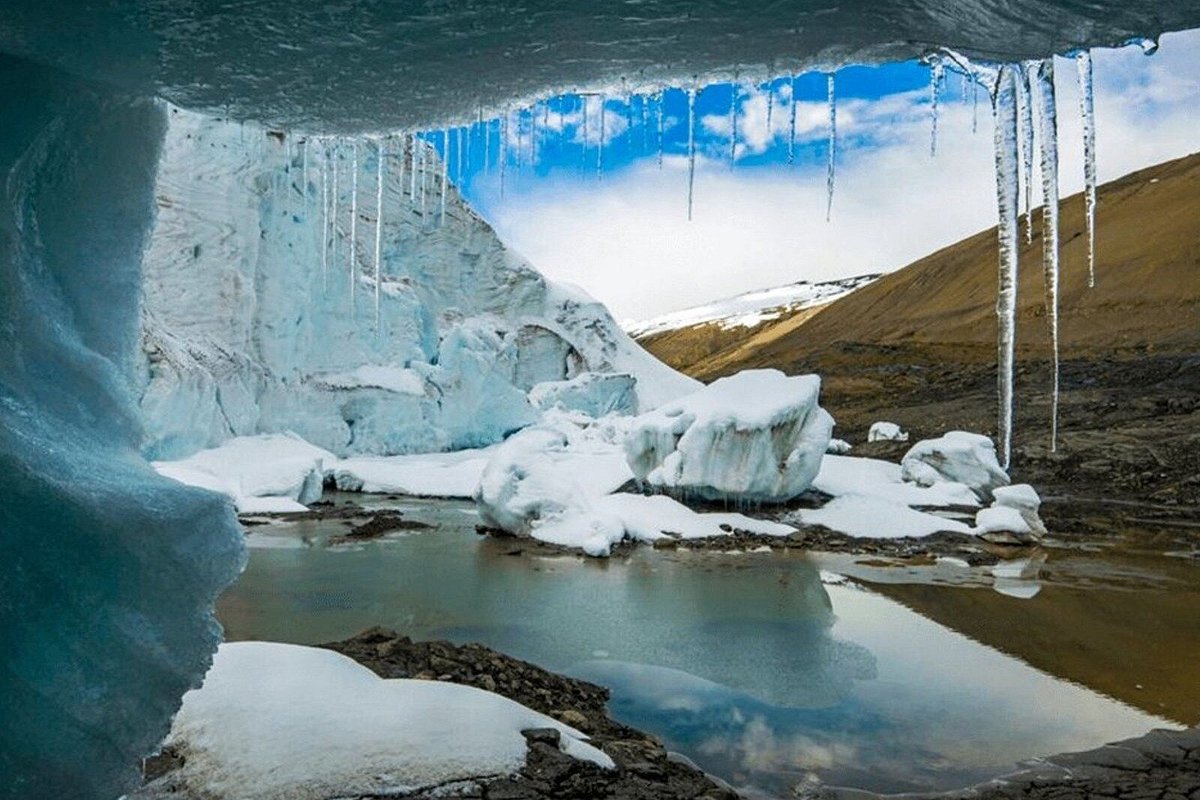
Incas and the summer solstice. The Incas developed sophisticated astronomical observation practices. They studied the movement of the Sun across the horizon and used natural landmarks, mountains, pillars, and architectural orientations to identify important dates.
Their observations helped them understand:
- The summer and winter solstices.
- The spring and autumn equinoxes.
- Seasonal agricultural cycles.
- The timing of religious celebrations.
- Changes in sunrise and sunset positions.
Archaeological research has documented solar alignments in several Inca ceremonial structures, demonstrating the importance of astronomy in their society. Wiley Online Library+1
The Intihuatana of Machu Picchu
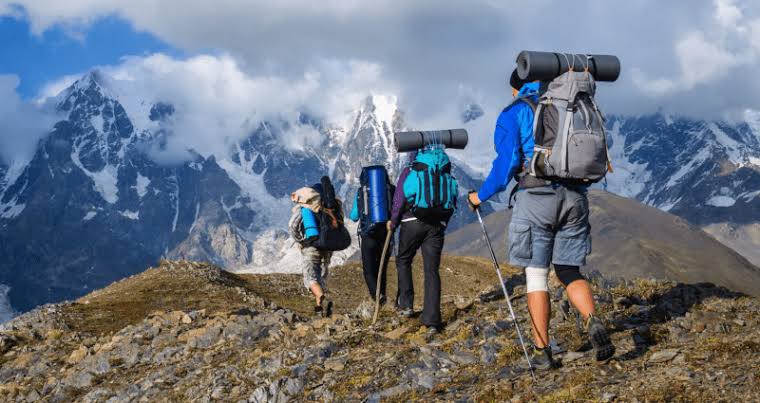
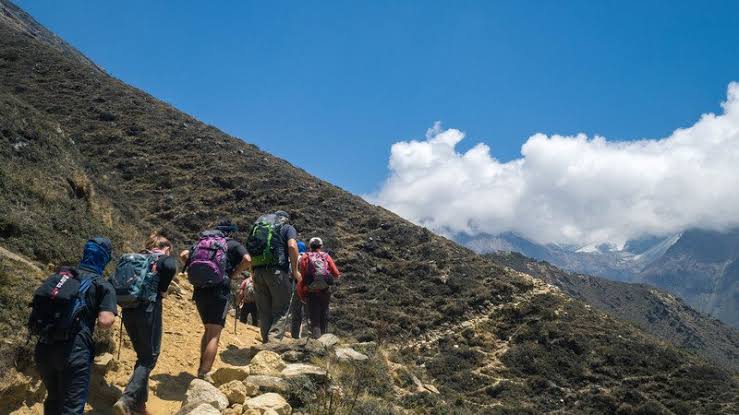
The Intihuatana is one of the most fascinating archaeological features of Machu Picchu.
Its name is commonly translated as “the place where the Sun is tied.” This carved stone is associated with Inca solar observation and ceremonial practices.
It illustrates the relationship between Inca architecture, astronomy, and sacred geography.
Intimachay: An Observatory Connected to the December Solstice
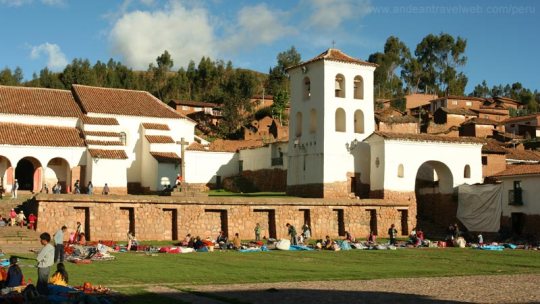
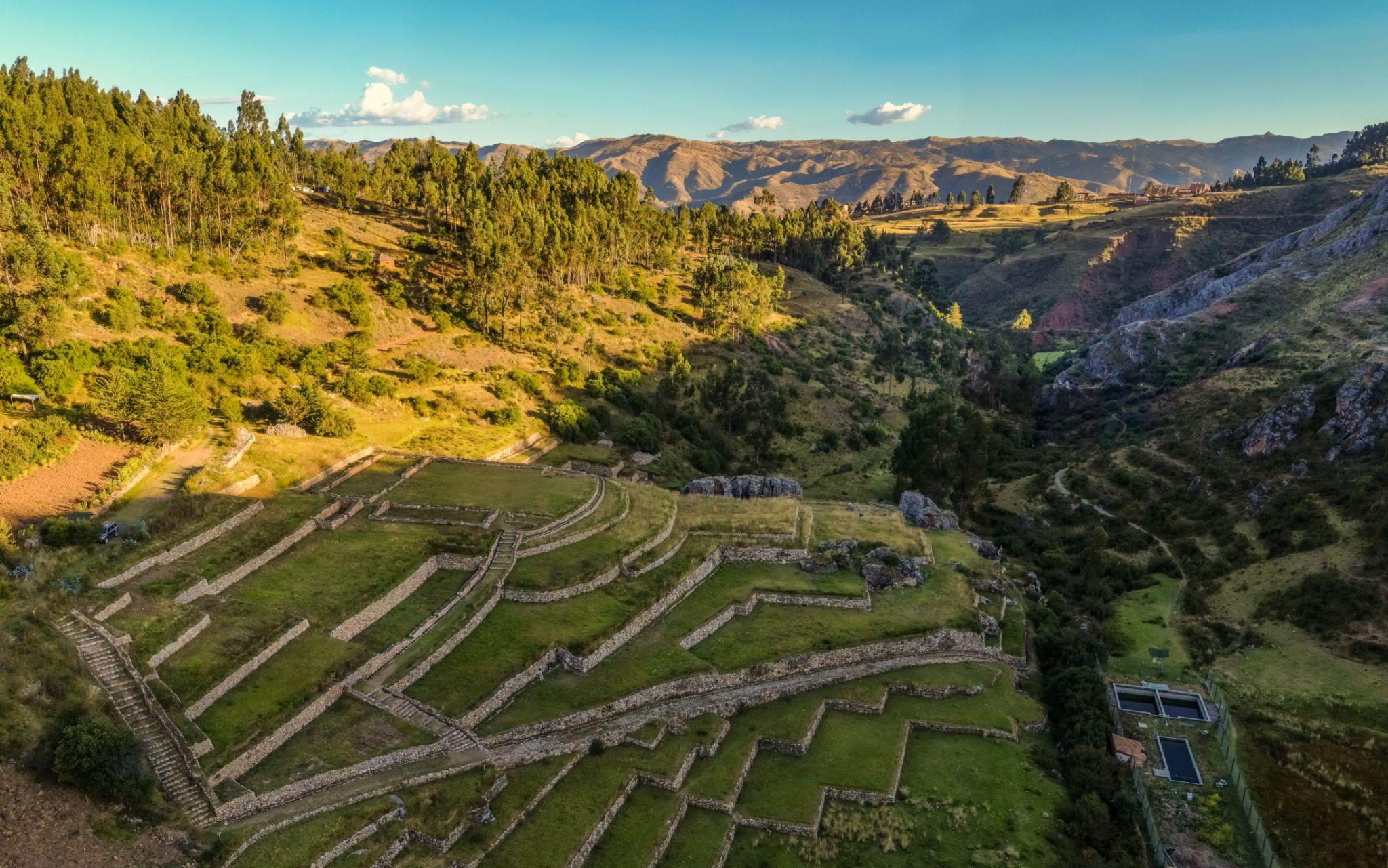
One particularly interesting site is Intimachay.
Archaeological research indicates that this carefully constructed cave entrance was designed to admit the rising Sun’s light for a short period around the December solstice.
This makes Intimachay an especially important example of the Incas’ understanding of seasonal solar movements. Cambridge Core. Incas and the summer solstice.
5. The Difference Between Inti Raymi and Qhapaq Raymi
Although both celebrations were connected to the Sun, they took place at different times of the year.
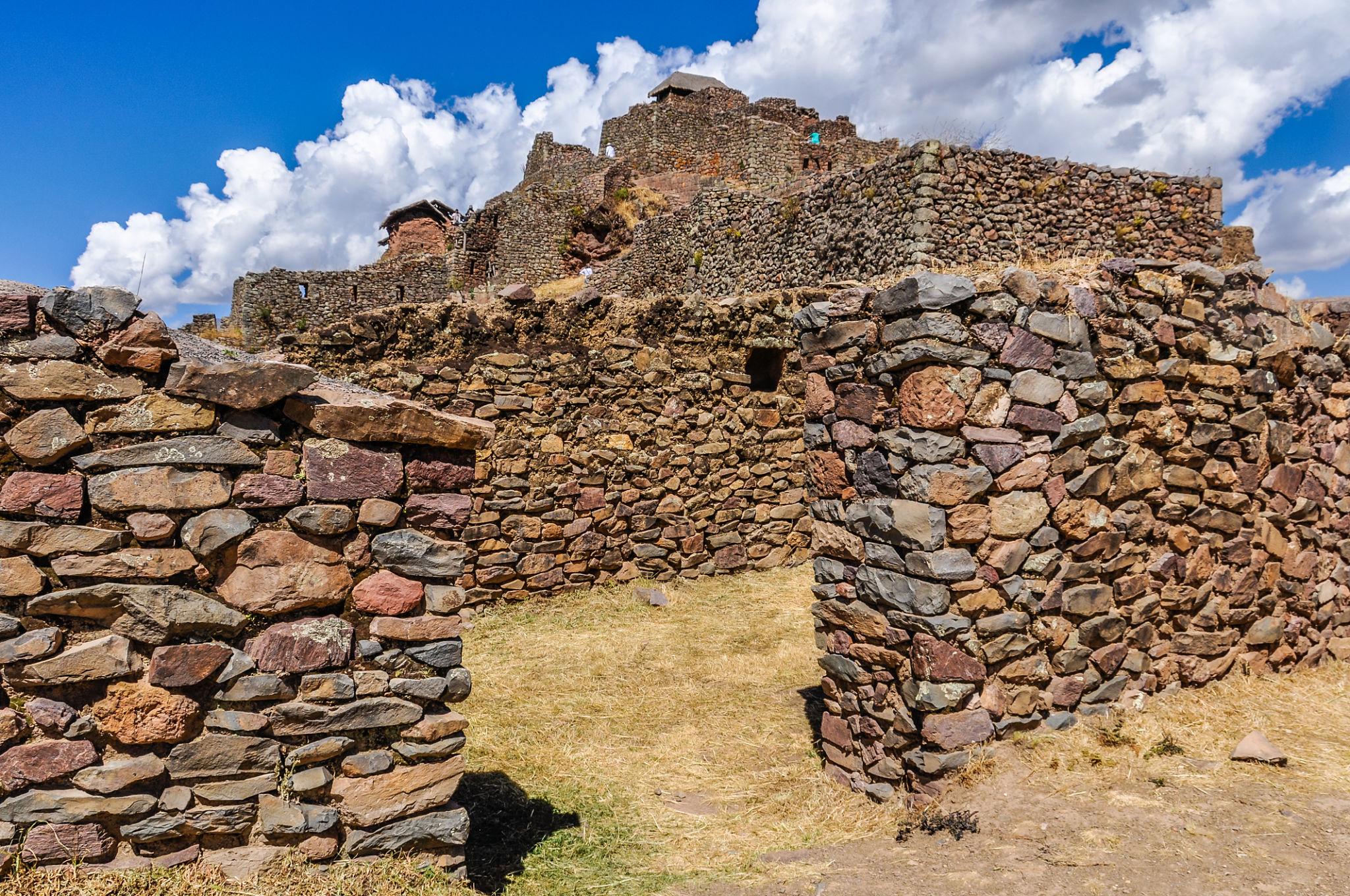
Inti Raymi – June Solstice
Celebrated around June 21, during the Southern Hemisphere winter solstice. It honored the Sun and marked an important point in the agricultural and ceremonial calendar.
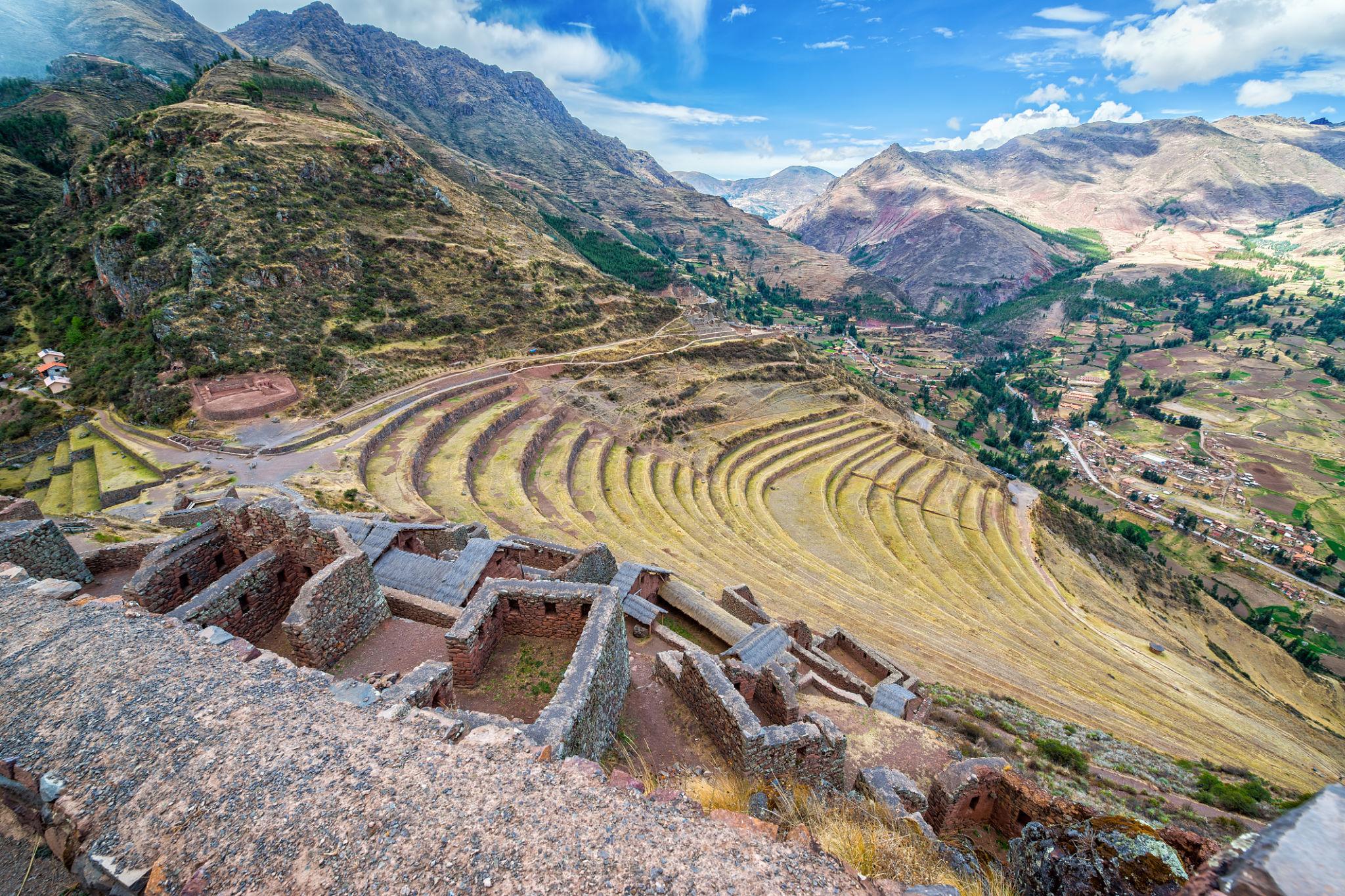
Qhapaq Raymi – December Solstice
Associated with the Southern Hemisphere summer solstice, it emphasized renewal, royal authority, and initiation ceremonies.
The distinction is important: the famous modern Inti Raymi reenactment takes place every June 24 in Cusco, not during the December summer solstice.
6. The Summer Solstice and Agriculture in the Andes
Agriculture was the foundation of the Inca economy. Understanding the seasons was essential for growing crops and managing water resources.
The December solstice occurs during the rainy season in much of the Peruvian Andes. Rainfall supports the development of important crops such as:
- Corn (maize).
- Potatoes.
- Quinoa.
- Oca.
- Other native Andean crops.
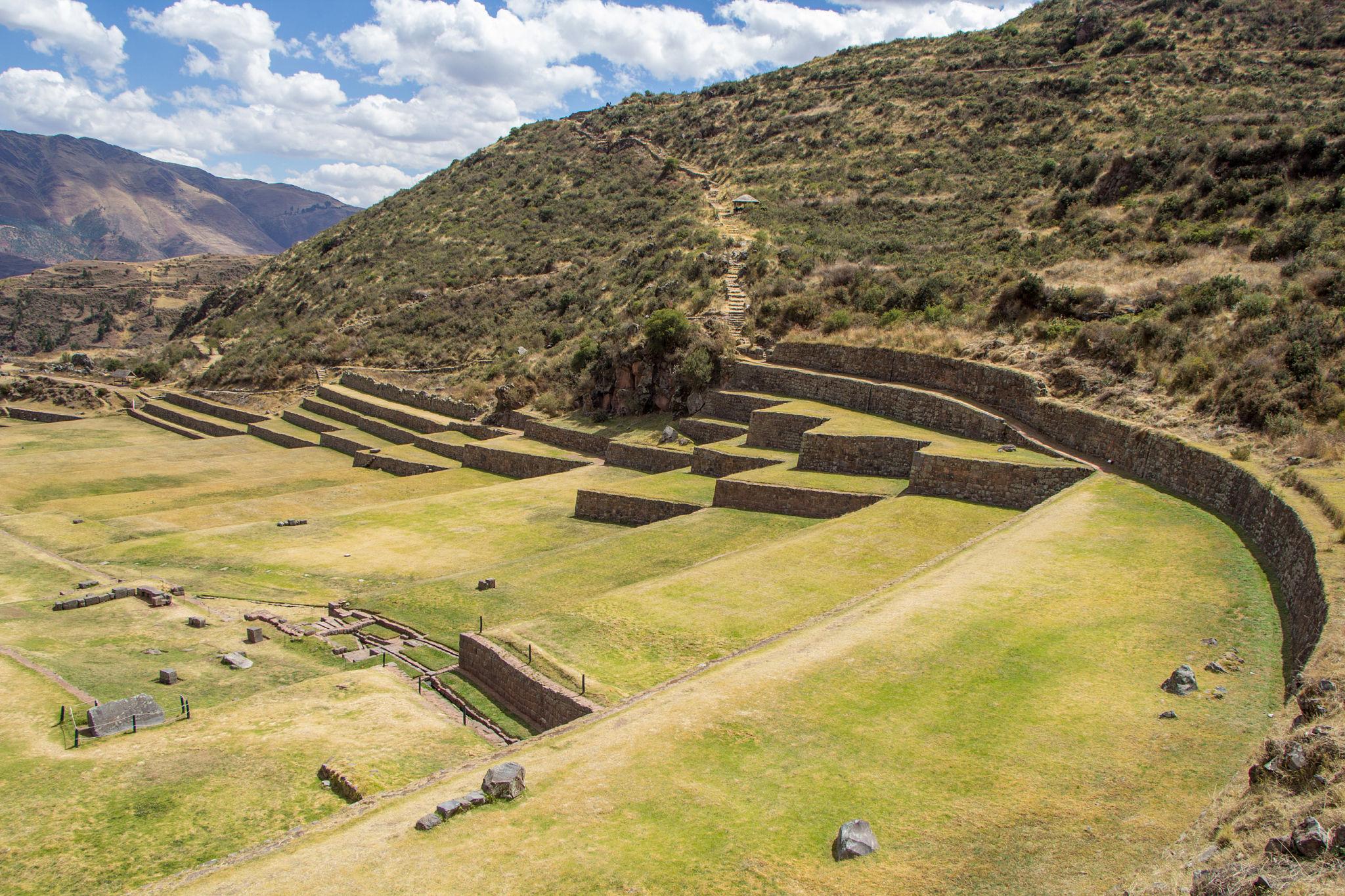
The Incas constructed agricultural terraces, irrigation channels, and sophisticated farming systems to adapt to the mountainous environment.
Their agricultural knowledge was closely connected to astronomical observation, environmental conditions, and traditional ecological practices.
7. Where to Discover Inca Solar Heritage in Cusco
Travelers visiting Peru can explore several archaeological sites that reveal the connection between the Incas, astronomy, and the Sun.
Coricancha
The most important Inca temple dedicated to the Sun, later incorporated into the Santo Domingo convent.
Machu Picchu
Explore the Intihuatana, Intimachay, temples, and ceremonial architecture.
Sacsayhuaman
Discover monumental Inca architecture and its ceremonial significance.
Pisac Archaeological Park
Discover agricultural terraces, ceremonial structures, and the relationship between the landscape and Inca planning.
Ollantaytambo
Explore monumental stone architecture and the famous Temple of the Sun.
8. Why Visit Cusco During the December Solstice?
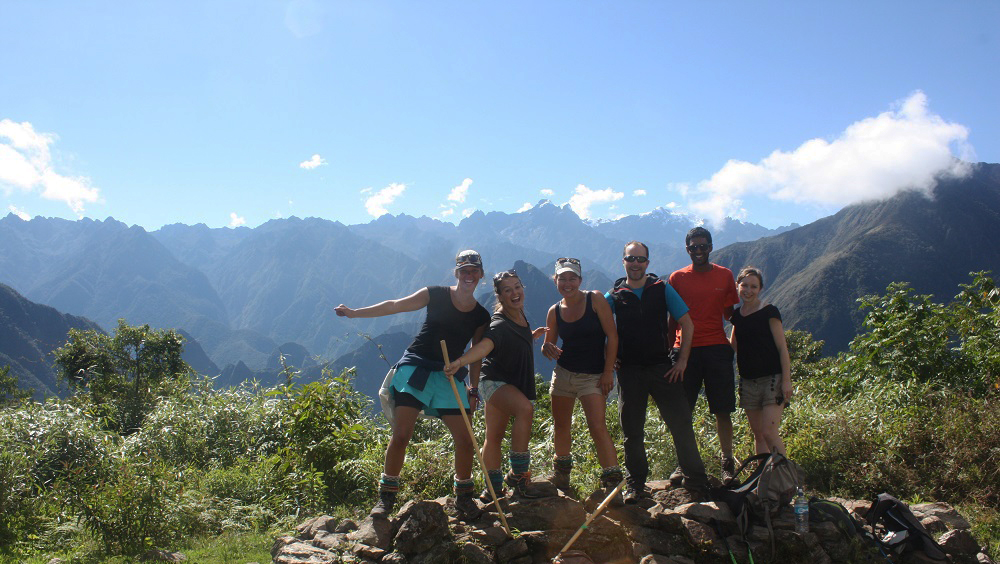
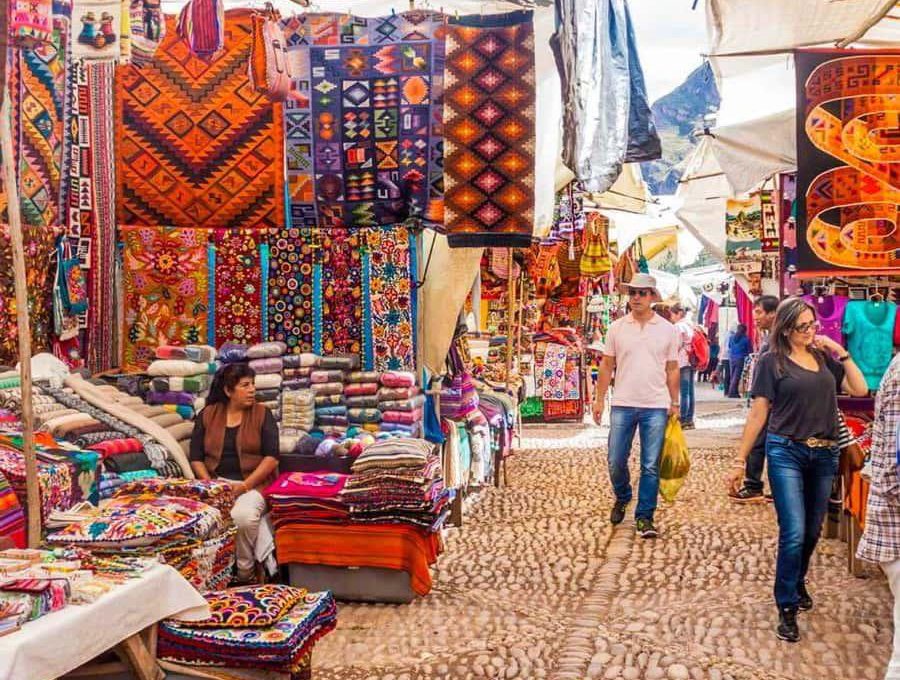
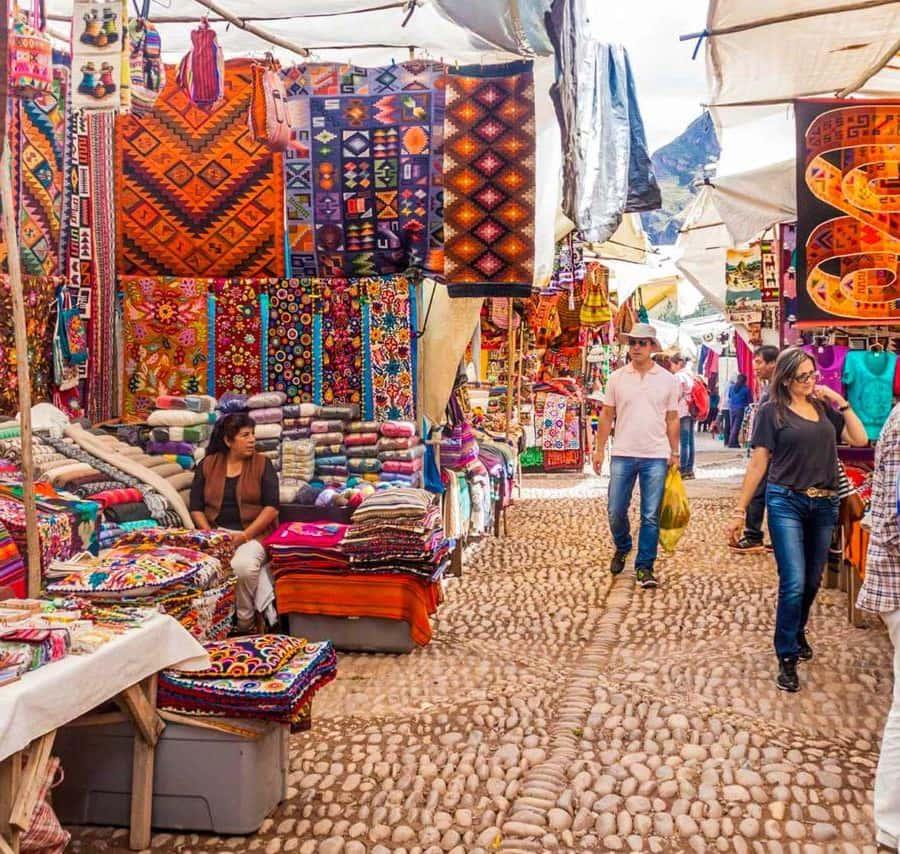
December is an interesting time to explore the cultural and natural heritage of Cusco.
Visitors can experience:
- The green landscapes of the Sacred Valley during the rainy season.
- The archaeological wonders of Machu Picchu.
- The impressive Inca temples and ceremonial sites.
- The connection between Andean traditions and astronomical events.
- The agricultural landscapes that continue to support local communities.
Although December is part of the rainy season, it offers beautiful scenery and opportunities to discover the cultural traditions of the Andes.
9. Frequently Asked Questions (FAQs)
1. When is the summer solstice in Peru?
The summer solstice usually occurs on December 21 or 22. It marks the longest day of the year in the Southern Hemisphere.
2. What was the Inca festival celebrated during the December solstice?
It was Qhapaq Raymi, an important religious celebration associated with the Sun, royal authority, and initiation ceremonies.
3. What is the difference between Inti Raymi and Qhapaq Raymi?
Inti Raymi was associated with the June winter solstice, while Qhapaq Raymi was associated with the December summer solstice.
4. Who was Inti in Inca mythology?
Inti was the Sun deity, considered a fundamental source of life, warmth, and agricultural fertility.
5. Did the Incas understand astronomy?
Yes. They observed the Sun, Moon, stars, and seasonal cycles. Their astronomical knowledge influenced architecture, agriculture, and religious ceremonies.
6. Can visitors observe Inca solar architecture in Machu Picchu?
Yes. Visitors can discover structures such as the Intihuatana and learn about Intimachay, an archaeological feature associated with the December solstice.
7. Is December a good month to visit Cusco?
Yes. December offers green landscapes and a beautiful Andean atmosphere, although visitors should prepare for rain and changing weather conditions.
10. Experience the Living Legacy of the Incas with Pacha Expeditions
The summer solstice offers a fascinating opportunity to understand the relationship between the ancient Incas, the Sun, and the natural world.
At Pacha Expeditions, we invite you to explore the archaeological treasures, sacred landscapes, and cultural traditions of Cusco and the Peruvian Andes.
Discover the history of an extraordinary civilization through personalized travel experiences, guided archaeological tours, and unforgettable trekking adventures.
Explore Peru with a 100% local tourism company.
- Website: Pacha Expeditions
- Email: info@pachaexpeditions.com
- WhatsApp: +51 984 387 050