Pisaq Traditional Town in the Sacred Valley of the Incas: Complete Travel Guide.
Pisaq Traditional Town (also commonly spelled Pisac) is one of the most charming traditional towns in the Sacred Valley of the Incas, located in the Cusco region of southern Peru. Famous for its colorful artisan market, impressive Inca archaeological complex, agricultural terraces, and Andean traditions, Pisaq offers visitors a unique opportunity to discover the history, culture, and landscapes of the Peruvian Andes.
Whether you are planning a Sacred Valley day tour, exploring Inca archaeological sites, shopping for traditional handicrafts, or traveling toward Machu Picchu, Pisaq is an essential destination to include in your Peru itinerary.


1. Where is Pisaq Traditional Town located?
Pisaq traditional town in the Sacred Valley of the Incas, about 33 kilometers northeast of Cusco. It lies along the Vilcanota River, also known in the Sacred Valley as the Urubamba River, surrounded by mountains, agricultural fields, and spectacular Andean scenery.
- Country: Peru
- Region: Cusco
- Location: Sacred Valley of the Incas
- Approximate altitude of the town: 2,970 meters (9,744 feet) above sea level
- Distance from Cusco: Approximately 33 km by road
- Typical travel time from Cusco: Around 45 minutes to 1.5 hours, depending on traffic and road conditions.
Pisaq is an excellent first stop on a Sacred Valley tour and can be visited as a day trip from Cusco.
2. Why is Pisaq famous?
Pisaq is known for its combination of archaeological heritage, traditional Andean culture, and local craftsmanship. Unlike destinations focused on a single attraction, this town offers several experiences in one place.

Inca archaeological site
Discover impressive stone structures, agricultural terraces, ceremonial areas, and ancient settlements overlooking the Sacred Valley.

Traditional artisan market
Browse handmade textiles, alpaca garments, ceramics, jewelry, paintings, and souvenirs produced by local artisans.

Traditional Andean town
Explore the main square, traditional streets, local shops, and cultural spaces that reflect the region’s living heritage.

Andean landscapes
Enjoy panoramic views of mountains, the Vilcanota River, and the fertile agricultural valley.
3. History of Pisaq: An important Inca settlement


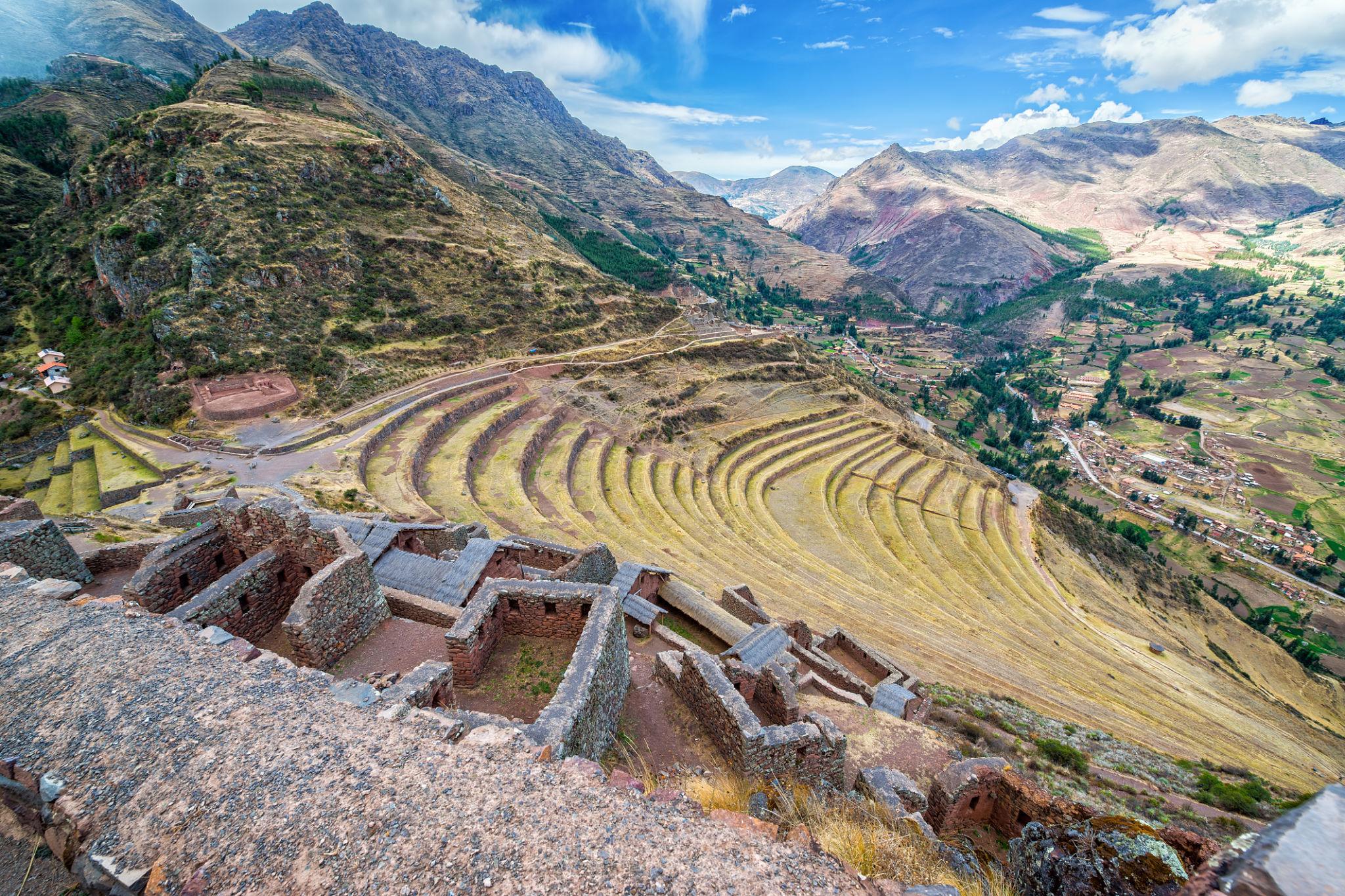
The history of Pisaq traditional town, is closely connected to the expansion of the Inca Empire. According to historical accounts cited by the Cusco cultural authorities, the archaeological complex is associated with Inca ruler Pachacutec and may have functioned as a royal estate.
The Incas selected this strategic mountain location to develop agricultural terraces, residential areas, ceremonial structures, and interconnected pathways. Its position overlooking the Sacred Valley also provided an important vantage point over the surrounding landscape.
Today, the archaeological park preserves evidence of the Incas’ advanced engineering, agricultural knowledge, and ability to integrate architecture with the natural environment.
4. What to see in Pisaq
Pisaq Archaeological Park

The Pisaq Archaeological Park is the principal attraction in the area. Located high above the modern town, the complex extends across a mountain ridge and includes agricultural terraces, stone buildings, ceremonial spaces, and ancient pathways.
The park is particularly impressive for its panoramic views of the Sacred Valley and the scale of its Inca engineering.
Main highlights include:
- Agricultural terraces: Carefully constructed platforms that made cultivation possible on steep mountain slopes.
- Intihuatana sector: An important ceremonial area associated with Inca astronomical and religious practices.
- Kallaqasa: An elevated sector with stone structures and views across the valley.
- Ancient pathways: Trails and stairways that connect different parts of the archaeological complex.
- Residential and ceremonial structures: Remains that help visitors understand how the settlement functioned.
The archaeological park is extensive, so allow approximately two to three hours or longer if you want to explore at a relaxed pace. Follow the authorized visitor route because access to individual sectors may change.
Pisaq Traditional Artisan Market
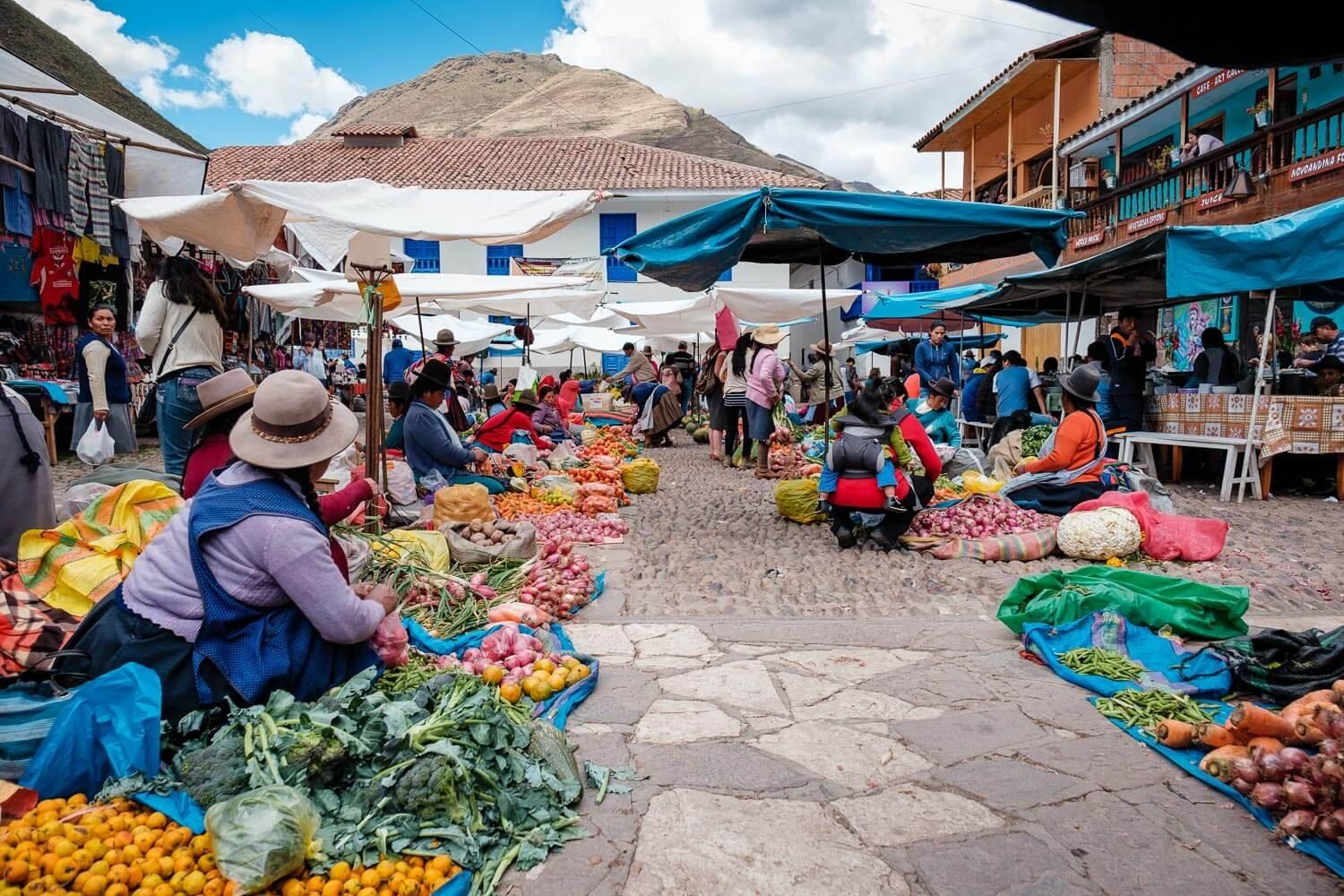
The traditional artisan market is one of the most popular places to visit in town. Located around the main square, it offers a colorful introduction to Andean craftsmanship and local commerce.
Visitors can find:
- Handwoven textiles and traditional fabrics.
- Alpaca wool garments, scarves, and hats.
- Silver jewelry and decorative accessories.
- Ceramics, paintings, and handmade souvenirs.
- Local agricultural products and regional specialties.
The market operates throughout the week, while Tuesday, Thursday, and Sunday are traditionally important market days. Sunday is particularly popular for its larger gathering of local vendors and people from surrounding communities.
For a more meaningful shopping experience, ask about the materials and techniques used to make the products and consider purchasing directly from local artisans.
Plaza Constitución

Plaza Constitución is the heart of Pisaq’s traditional town. It is surrounded by local businesses, cafés, restaurants, and market stalls, making it a convenient place to rest after exploring the archaeological site.
Walk through the surrounding streets, observe the town’s everyday activities, and enjoy the contrast between its contemporary community life and the ancient Inca heritage above it.
Traditional Andean culture

Pisaq remains connected to the cultural traditions of the Cusco region. Quechua language, traditional weaving, agricultural practices, regional cuisine, and community celebrations all contribute to its cultural identity.
Visitors should approach local customs respectfully, ask permission before photographing people, and support businesses that benefit local residents.
5. What to eat in Pisaq
Pisaq is a good place to sample traditional Peruvian and Andean cuisine. Restaurants and local eateries offer dishes prepared with ingredients from the Sacred Valley and surrounding highlands.

Choclo con queso
Large-kernel Andean corn served with fresh cheese. A simple and popular regional snack.

Trucha frita
Fried trout commonly served with potatoes, rice, or salad.

Cuy al horno
Oven-roasted guinea pig, a traditional celebratory dish in the Cusco region.

Quinoa soup
A warming Andean dish made with quinoa, vegetables, and sometimes potatoes or other local ingredients.
You can also look for fresh fruit juices, traditional breads, local potatoes, and regional corn varieties. If you have dietary restrictions, ask about ingredients and preparation methods before ordering.
6. How to get to Pisaq from Cusco
Pisaq can be reached by private vehicle, taxi, colectivo, or organized Sacred Valley tour.

Private transportation
A flexible option for visiting the town, archaeological park, and other Sacred Valley attractions at your own pace.

Public transportation
Shared vehicles operate on routes connecting Cusco with towns in the Sacred Valley. Confirm the departure point and destination locally.

Organized tour
A convenient option for combining Pisaq with other archaeological sites and traditional towns without organizing every transfer yourself.
Pisaq town is approximately 33 km from Cusco. The archaeological park is a separate stop above the town, approximately 9 km farther along the access road from the town according to the Cusco cultural authority.
7. Best time to visit Pisaq Traditional Town.
Pisaq can be visited throughout the year, but weather conditions influence the experience.
| Season | Months | What to expect |
|---|---|---|
| Dry season | May–October | Generally drier weather, clearer mountain views, and favorable conditions for walking. |
| Rainy season | November–April | More frequent rain, greener landscapes, and potentially slippery trails. |
June, July, and August are popular months for travel in the Cusco region. Book transportation and guided tours in advance during busy periods.
Best time of day: Start early if you want to explore the archaeological park before the busiest hours. If the traditional market is your main interest, plan around its busier market days, especially Sunday.
8. Recommended Pisaq itinerary: One day from Cusco
This itinerary combines the archaeological complex, traditional town, and artisan market.
8:00 AM
Departure from Cusco
Travel through the Andean countryside toward the Sacred Valley.
9:00 AM
Explore the archaeological park
Visit the agricultural terraces, ceremonial sectors, ancient stone structures, and scenic viewpoints.
12:00 PM
Lunch in Pisaq
Enjoy traditional Peruvian dishes or a regional Andean meal.
1:00 PM
Visit the artisan market
Browse traditional textiles, jewelry, ceramics, and handmade souvenirs.
2:30 PM
Walk around the town
Explore Plaza Constitución, visit local shops, and enjoy the traditional atmosphere.
3:30 PM
Return to Cusco or continue through the Sacred Valley
Depending on your transport and itinerary, return to Cusco or continue toward other destinations.
This is a suggested schedule, not a fixed tour timetable. Adjust the departure and visit duration to the archaeological park’s current operating hours and your transportation arrangements.
9. Entrance tickets and visiting hours
The archaeological park is managed by the Decentralized Directorate of Culture of Cusco. The official site lists visiting hours as 7:00 a.m. to 4:30 p.m. and indicates that entry is through the relevant tourist ticket. Confirm the current schedule and ticket requirements before your visit.
Keep in mind:
- The archaeological park and the town’s artisan market are separate attractions.
- The market is generally free to explore.
- Entry to the archaeological complex requires the appropriate ticket.
- Ticket prices and included sites can change, so verify the current rates through official channels.
- Stay on authorized paths and do not climb on or damage ancient walls.
- Commercial photography and drone use may require authorization.
Official information: Cusco Culture Directorate – Pisaq Archaeological Park.
10. Travel tips for visiting Pisaq
- Acclimatize to the altitude. The archaeological park reaches a higher elevation than the town, so walk slowly and take breaks as needed.
- Wear comfortable shoes. Uneven stone paths, stairways, and sloping terrain are common.
- Bring sun protection. Use sunscreen, sunglasses, and a hat, even when the weather is cool.
- Carry water and some cash. These are useful for the walk, local purchases, and small businesses.
- Bring a rain jacket. Weather in the Andes can change quickly, especially during the rainy season.
- Respect local traditions. Ask permission before photographing residents or artisans.
- Plan for accessibility. The archaeological park has steep, uneven terrain and is not a step-free visitor attraction.
11. Frequently asked questions about Pisaq
Is Pisaq worth visiting?
Yes. Pisaq is an excellent destination for travelers interested in Inca history, traditional Andean culture, archaeological sites, handicrafts, and mountain scenery. It is one of the most rewarding stops in the Sacred Valley.
How far is Pisaq from Cusco?
Pisaq town is approximately 33 km from Cusco, with a typical drive of around 45 minutes to 1.5 hours, depending on traffic and road conditions.
What is Pisaq famous for?
Pisaq is famous for its Inca archaeological park, agricultural terraces, traditional artisan market, colorful handicrafts, and panoramic views of the Sacred Valley.
What is the best day to visit the Pisaq market?
Sunday is especially popular because of the larger traditional market gathering. Tuesday and Thursday are also important market days.
How much time do I need to visit Pisaq?
Allow approximately four to six hours to visit both the archaeological park and the town. Travelers who want to hike more extensively or shop at a relaxed pace should allow additional time.
Can I visit Pisaq and Ollantaytambo in one day?
Yes. A combined Sacred Valley tour can include Pisaq and Ollantaytambo, although the schedule will be busy. If you want an in-depth visit to the Pisaq ruins and market, consider spending more time in the valley.
Is Pisaq suitable for families?
Yes, but families should consider the steep paths, stairs, and altitude of the archaeological park. The town and market generally provide an easier alternative for visitors who prefer less strenuous activities.
Is Pisaq the same as Pisac?
Yes. Pisaq is the spelling used by the Cusco cultural authority, while Pisac is widely used in tourism publications and English-language searches. Both names refer to the same town and archaeological destination.
Can I visit Pisaq without a tour?
Yes. You can travel independently by private vehicle or public transportation. However, a professional guide can provide valuable context about Inca engineering, archaeology, and Andean culture.
Can I combine Pisaq with Machu Picchu?
Yes. Pisaq can be included in a Sacred Valley itinerary before continuing to Ollantaytambo, where many travelers take the train toward Machu Picchu. Allow sufficient time for transportation and your scheduled train departure.
12. Final thoughts: Discover the traditional town of Pisaq
Pisaq is much more than a stop on the road through the Sacred Valley of the Incas. It is a destination where ancient Inca engineering, traditional Andean culture, local craftsmanship, and spectacular landscapes come together.
From exploring the archaeological terraces high above the valley to browsing the artisan market and enjoying regional cuisine, a visit to Pisaq offers a deeper understanding of Peru’s cultural heritage.
For travelers planning a trip to Cusco, the Sacred Valley, and Machu Picchu, Pisaq is an essential destination for discovering the history and traditions of the Andes. Pisaq Traditional Town.