
Huchuy Qosqo and the Sacred Valley: Complete Travel Guide


Huchuy Qosqo and the Sacred Valley of the Incas offer an exceptional combination of Inca archaeology, Andean landscapes, traditional villages, and trekking experiences near Cusco, Peru. Visiting Huchuy Qosqo is an excellent option for travelers seeking to explore ancient Inca heritage away from the busiest archaeological sites while enjoying panoramic views of the Sacred Valley.
This complete travel guide explains how to visit Huchuy Qosqo, the best trekking routes, nearby attractions, practical travel tips, and how to combine this archaeological site with a Sacred Valley tour.
1. What is Huchuy Qosqo?

Huchuy Qosqo, meaning Little Cusco in Quechua, is an important archaeological site located in the mountains above the Sacred Valley of the Incas, north of Cusco.
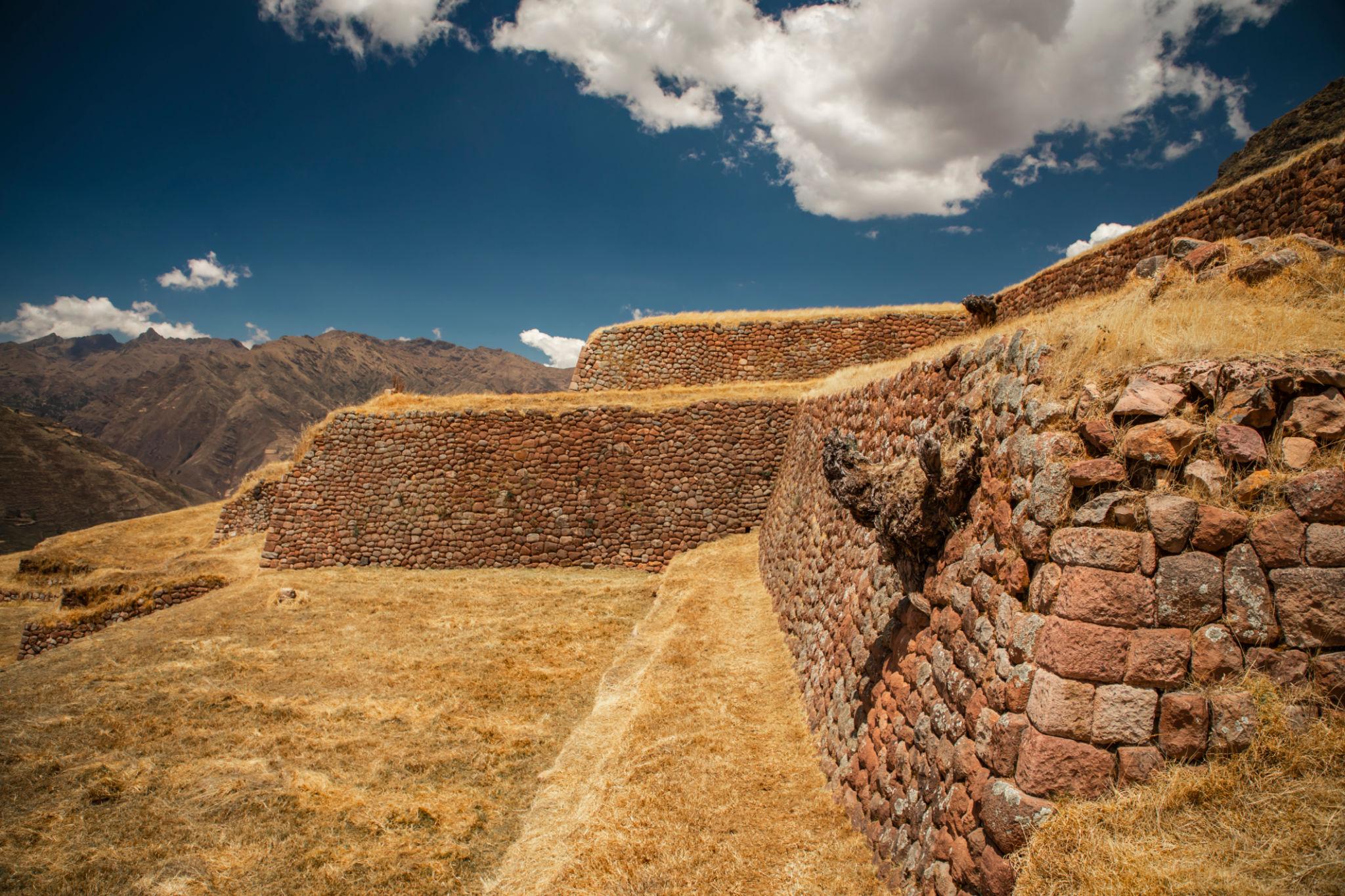
The complex features impressive stone structures, agricultural terraces, ceremonial spaces, and buildings associated with the Inca civilization. Its elevated position offers beautiful views of the surrounding mountains and the Urubamba Valley.
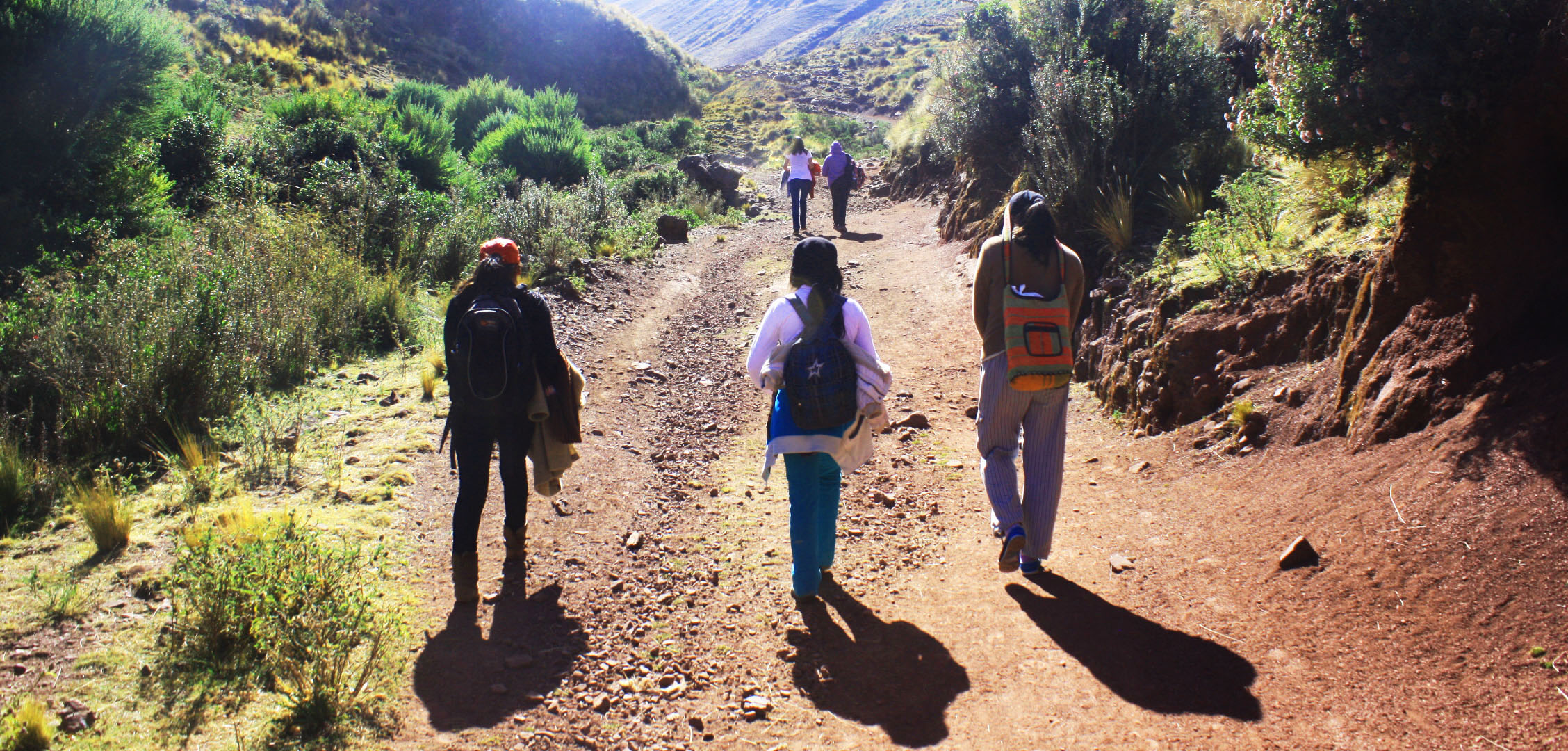
Unlike more accessible archaeological attractions, Huchuy Qosqo is commonly reached by hiking, making the journey an important part of the experience.
Why visit Huchuy Qosqo?
- Explore an impressive Inca archaeological complex.
- Enjoy panoramic views of the Sacred Valley.
- Experience a traditional Andean trekking route.
- Discover Inca architecture and agricultural engineering.
- Combine cultural exploration with outdoor adventure.
2. Where is Huchuy Qosqo located?
Huchuy Qosqo is situated in the Cusco region of southern Peru, high above the Sacred Valley and near the communities of Lamay and Calca.
- Region: Cusco, Peru
- Nearby towns: Lamay, Calca, and Pisac
- Approximate elevation: 3,600–3,650 m (11,811–11,975 ft)
- Setting: Mountain slopes and highland terrain overlooking the Sacred Valley
The archaeological site is not directly accessible by regular road transport. Most visitors reach it on foot using trails from the Cusco area or the Sacred Valley.
3. Huchuy Qosqo and the Sacred Valley itinerary
The Sacred Valley is one of the most culturally significant regions of the former Inca Empire. Its fertile lands, rivers, mountain scenery, and archaeological sites make it an ideal destination to combine with a Huchuy Qosqo trek.


Recommended places to visit
Pisac: Famous for its extensive Inca terraces, archaeological complex, traditional market, and spectacular mountain views.
Ollantaytambo: A remarkable Inca town with original stone streets, archaeological terraces, temples, and a living cultural heritage.
Chinchero: Known for its colonial church, Inca remains, traditional weaving demonstrations, and Andean textile traditions.
Moray: An extraordinary system of circular agricultural terraces believed to have been used for experimentation with different growing conditions.
Maras Salt Mines: A hillside network of salt ponds where local families continue traditional salt production.
Urubamba: A convenient base for exploring the valley, enjoying local cuisine, and arranging transport to nearby attractions.
These destinations can be visited on a separate Sacred Valley tour before or after the Huchuy Qosqo trek.
4. Best trekking routes to Huchuy Qosqo


There are several ways to reach Huchuy Qosqo. The best route depends on your fitness level, available time, and preferred starting point.
Route 1: Tambomachay to Huchuy Qosqo
This route begins near Tambomachay, outside Cusco, and crosses highland terrain before descending toward the archaeological complex.
- Duration: Approximately 6–8 hours of hiking, depending on pace and route conditions.
- Difficulty: Moderate to challenging.
- Highlights: High-altitude landscapes, mountain passes, Andean communities, and panoramic views.
This is a good option for experienced hikers seeking a longer trek.
Route 2: Chinchero to Huchuy Qosqo
Some itineraries approach the area through highland trails around Chinchero and neighboring communities. The exact duration and difficulty depend on the route selected by the local operator.
- Duration: Varies by itinerary.
- Difficulty: Moderate to challenging.
- Highlights: Rural Andean landscapes, mountain scenery, and opportunities to learn about local traditions.
Confirm the precise route and trailhead before booking, as not every itinerary follows the same path.
Route 3: Lamay to Huchuy Qosqo
Lamay, in the Sacred Valley, is a common access point for reaching the archaeological site by hiking uphill.
- Duration: Approximately 2–3 hours uphill, depending on pace and trail conditions.
- Difficulty: Moderate to challenging because of the steep ascent.
- Highlights: Valley views, mountain trails, and direct access to the archaeological complex.
This option can work well for travelers staying in the Sacred Valley who prefer a shorter hiking approach.
All trekking times are estimates. Confirm the actual trail, elevation gain, and return transport with your guide before departure.
5. Suggested itinerary: Huchuy Qosqo and the Sacred Valley in 2 days

Day 1: Sacred Valley exploration
- Depart from Cusco in the morning.
- Visit Pisac and explore its Inca archaeological complex.
- Continue through the Sacred Valley toward Urubamba.
- Enjoy lunch featuring traditional Peruvian cuisine.
- Visit Ollantaytambo to explore its Inca architecture and historic streets.
- Spend the night in Urubamba or Ollantaytambo.
Day 2: Huchuy Qosqo trek
- Have an early breakfast.
- Transfer to the selected trailhead.
- Begin the hike through the Andean landscape.
- Explore Huchuy Qosqo with a knowledgeable guide.
- Learn about Inca architecture, terraces, and the site’s historical importance.
- Descend toward Lamay or follow the route arranged for your tour.
- Return to Cusco or continue your journey through the Sacred Valley.
This itinerary combines cultural sightseeing with an active trekking experience. It should be adjusted according to the chosen trail, weather, and fitness level.
6. Best time to visit Huchuy Qosqo and the Sacred Valley
The region has two main seasons.
| Season | Months | Conditions |
|---|---|---|
| Dry season | May–September | Generally clearer skies and better hiking conditions |
| Rainy season | November–March | More frequent rain, muddy trails, and possible route changes |
| Transition months | April and October | Variable weather, with a mix of sunny and rainy days |
June, July, and August are popular months for trekking because of the generally drier weather. These months can also bring colder nights and busy tourist areas.
For hiking, start early, carry rain protection in every season, and check the forecast before departure.
7. What to pack for the Huchuy Qosqo trek


Prepare for changing temperatures, strong sunlight, and high-altitude conditions.
- Comfortable, broken-in hiking boots.
- Layered clothing and a warm jacket.
- Waterproof jacket and rain trousers during wet weather.
- Sun hat, sunglasses, and high-SPF sunscreen.
- Reusable water bottle and sufficient drinking water.
- Snacks or a packed lunch.
- Trekking poles for steep ascents and descents.
- Personal medication and a basic first-aid kit.
- Cash in Peruvian soles for small purchases.
- Camera or smartphone for photography.
Carry only what you need for the hike, but do not compromise on water, warm clothing, or rain protection.
8. Altitude and physical preparation
Huchuy Qosqo lies at high altitude, where physical activity can feel more demanding than at sea level. Some routes cross terrain above 4,000 m (13,123 ft).
Spend at least one or two days acclimatizing in Cusco before undertaking a strenuous trek; allow additional time if you are experiencing symptoms of altitude sickness.
Common symptoms include headache, nausea, dizziness, and unusual fatigue. If symptoms develop, stop ascending and inform your guide. Severe symptoms, including confusion, difficulty walking, or breathlessness at rest, require urgent medical attention and descent.
You do not need to be an elite athlete, but a reasonable level of fitness and preparation for uphill hiking will improve your experience.
9. Entrance fees, guides, and transportation
Before traveling, verify the current archaeological-site admission requirements and any applicable trail or community fees with a local operator or the relevant authorities.
A guided trek is recommended because routes can be confusing, trail conditions change, and local knowledge improves both safety and cultural understanding.
Your tour arrangements should clarify:
- Transportation from Cusco or the Sacred Valley.
- Exact trailhead and trekking route.
- Professional guide services.
- Entrance fees, if applicable.
- Meals and drinking-water arrangements.
- Emergency procedures and communication.
- Return transport from the final trail exit.
Do not assume that every tour includes the same services. Confirm inclusions and exclusions before booking.
10. Responsible tourism in the Sacred Valley
Huchuy Qosqo and the Sacred Valley are part of a living cultural landscape. Responsible travel helps protect archaeological heritage and supports the communities that maintain local traditions.
- Follow marked trails and your guide’s instructions.
- Never climb on fragile archaeological structures.
- Avoid touching or removing archaeological materials.
- Carry out all rubbish.
- Ask permission before photographing local residents.
- Purchase locally made textiles and handicrafts from responsible sellers.
- Respect community customs, agricultural land, and private property.
Choosing a responsible local operator can help create meaningful cultural exchanges while minimizing environmental impacts.
11. Frequently asked questions about Huchuy Qosqo and the Sacred Valley
Is Huchuy Qosqo worth visiting?
Yes. It is an excellent destination for travelers interested in Inca history, mountain scenery, and trekking. Its elevated location and less crowded setting can make the experience especially rewarding.
How difficult is the Huchuy Qosqo trek?
The trek ranges from moderate to challenging, depending on the trail. Steep ascents, uneven paths, and high altitude can make it physically demanding.
Can I visit Huchuy Qosqo in one day?
Yes. Many itineraries visit the archaeological site as a day trek from Cusco or the Sacred Valley. The total duration depends on transportation, the trailhead, and the selected route.
Can I combine Huchuy Qosqo with the Sacred Valley tour?
Yes. A two-day itinerary is a practical choice: explore major Sacred Valley attractions on the first day and hike to Huchuy Qosqo on the second.
Is Huchuy Qosqo suitable for beginners?
It may suit beginners who are reasonably fit, acclimatized, and comfortable walking uphill for several hours. Choose the route carefully and consider a guide.
What is the altitude of Huchuy Qosqo?
The archaeological site is approximately 3,600–3,650 m (11,811–11,975 ft) above sea level. Some approach routes reach higher elevations.
Do I need a guide?
A guide is strongly recommended, particularly for longer routes or visitors unfamiliar with Andean trekking. A guide can assist with navigation, safety, and interpretation of the archaeological site.
Can I visit Huchuy Qosqo during the rainy season?
Yes, but rainfall can make trails slippery and reduce visibility. Check weather conditions and confirm whether the chosen route is safe before departure.
Can I visit Huchuy Qosqo before going to Machu Picchu?
Yes. Huchuy Qosqo can be included before a Machu Picchu trip as part of a broader Cusco and Sacred Valley itinerary. Allow enough time for trekking and transportation connections.
What is the difference between Huchuy Qosqo and the Sacred Valley?
Huchuy Qosqo is a specific Inca archaeological complex in the mountains above the valley. The Sacred Valley is a wider region containing multiple archaeological sites, traditional towns, agricultural landscapes, and cultural attractions.
12. Plan your Huchuy Qosqo and Sacred Valley adventure

Huchuy Qosqo and the Sacred Valley offer an enriching combination of archaeology, trekking, and Andean culture. Whether you choose a one-day hike or a two-day itinerary, this journey provides a deeper perspective on the Inca civilization and the landscapes that supported it.
For the best experience, acclimatize in Cusco, select a route appropriate for your fitness level, and organize reliable transportation and guiding services in advance.