
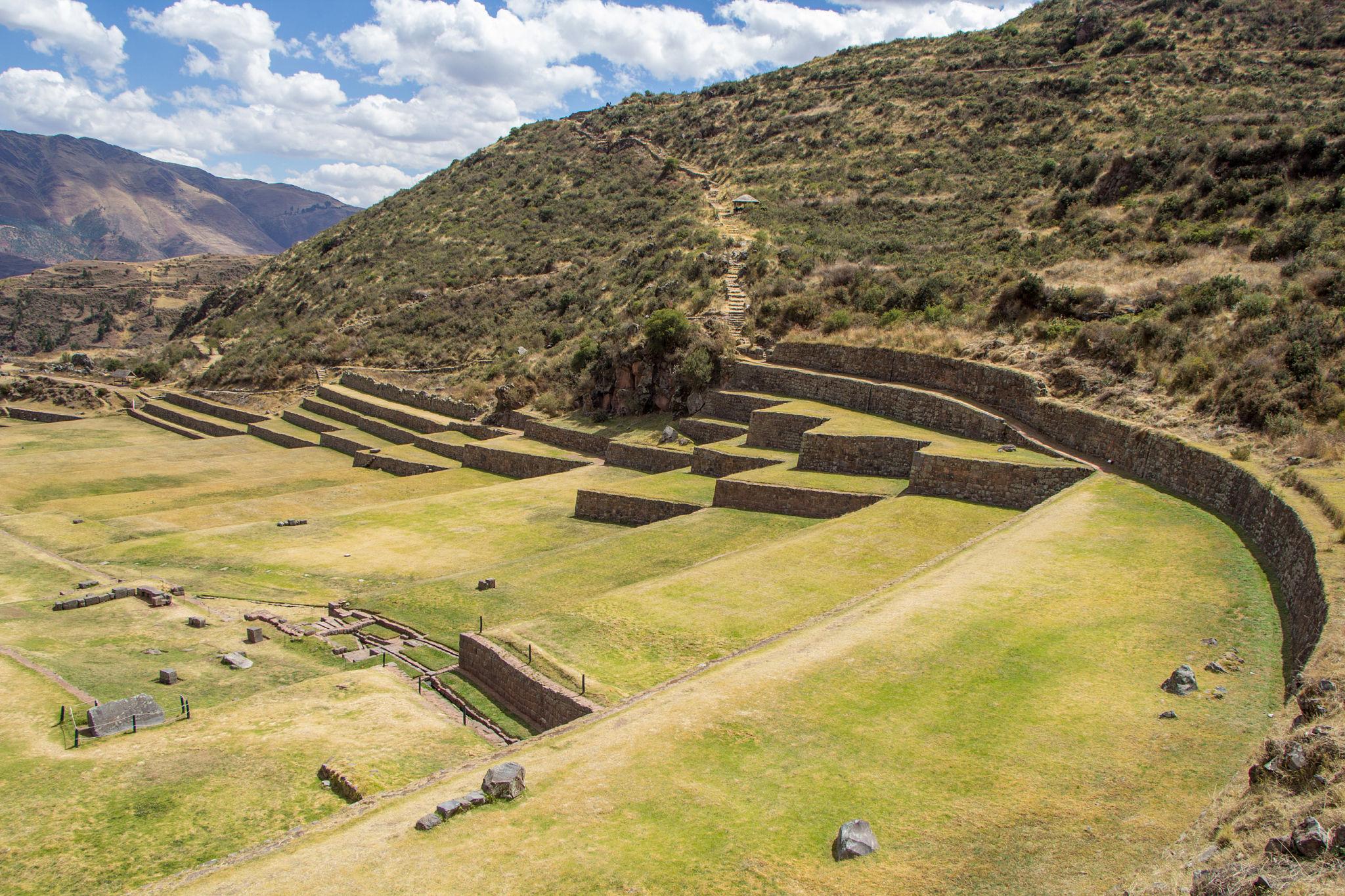
Tipón Archaeological Park – A Masterpiece of Inca Hydraulic Engineering.
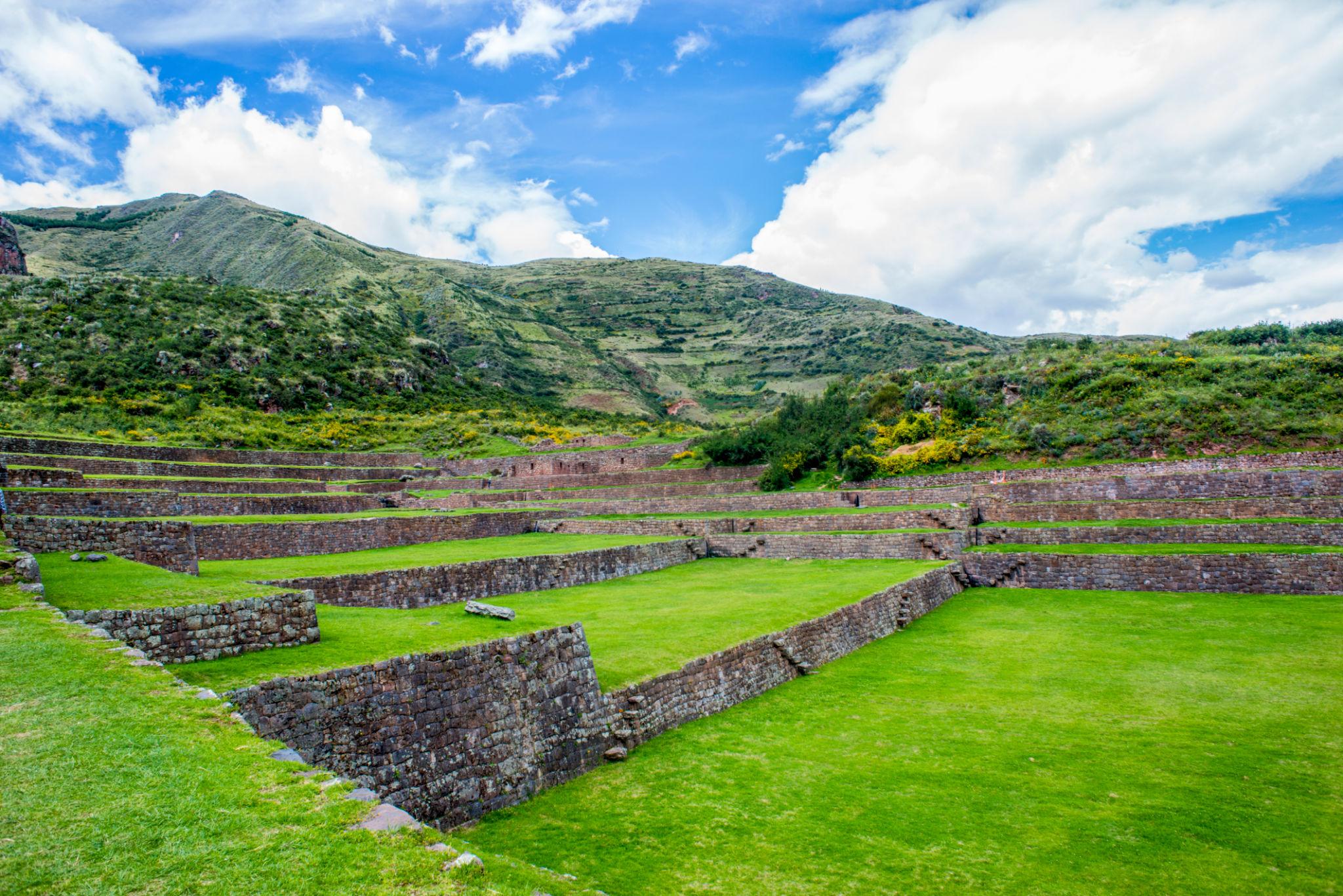
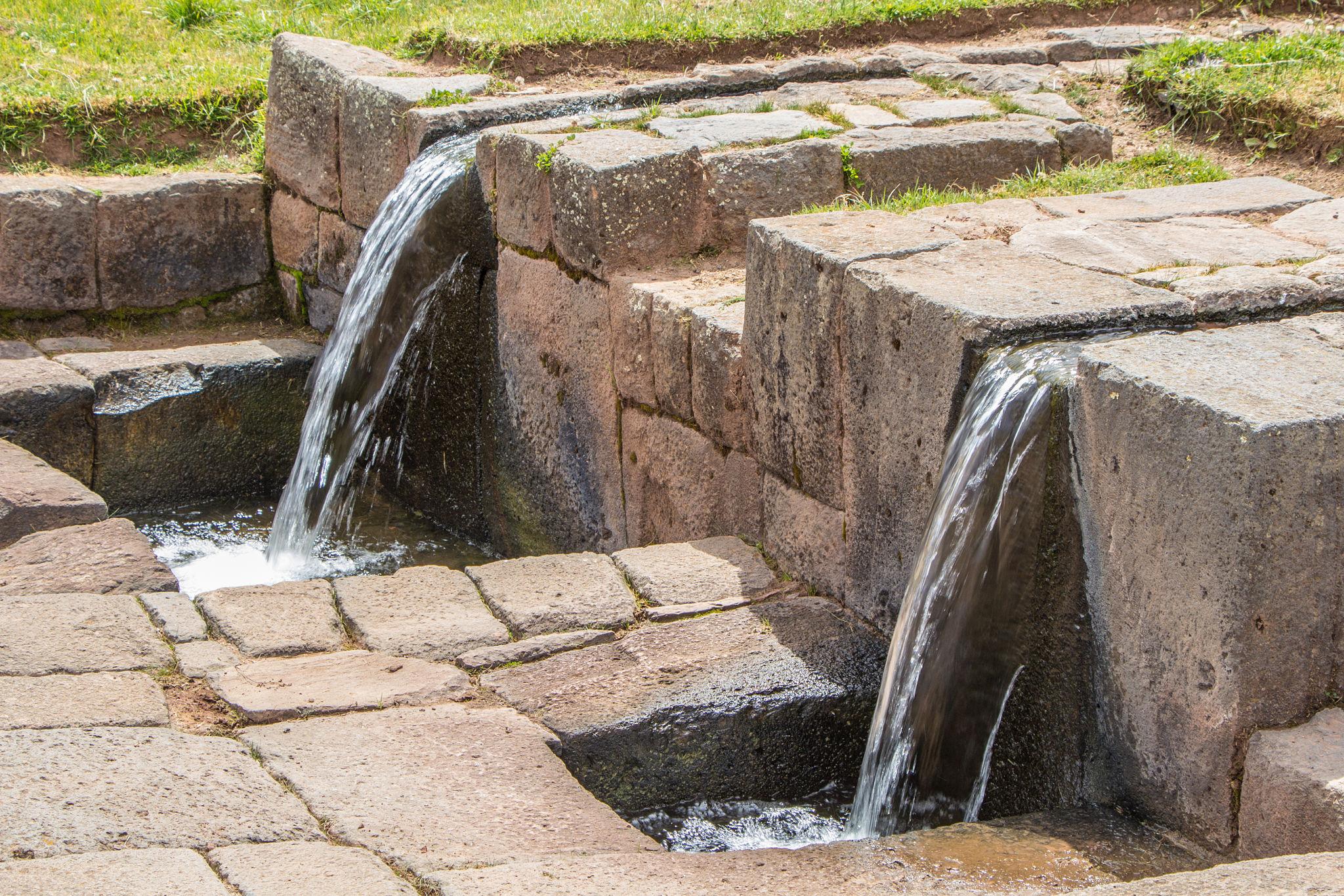
Tipón Archaeological Park is one of the most impressive examples of Inca hydraulic engineering in Peru. Located southeast of Cusco, this remarkable archaeological complex is famous for its sophisticated water channels, ceremonial fountains, agricultural terraces, and stone structures.
Unlike many other Inca archaeological sites, Tipón highlights the extraordinary importance of water management in Inca civilization. Its carefully designed irrigation system demonstrates the Incas’ advanced knowledge of hydraulics, architecture, agriculture, and environmental adaptation.
1. Location and altitude Tipón Archaeological Park.
- Location: Tipón, Oropesa District, Quispicanchi Province, Cusco, Peru.
- Distance from Cusco: Approximately 25 km.
- Altitude: Around 3,560 meters (11,680 ft) above sea level.
- Travel time: Approximately 45–60 minutes by road.
Cultural heritage
Inca engineering
South Valley of Cusco
2. History of Tipón Archaeological Park.
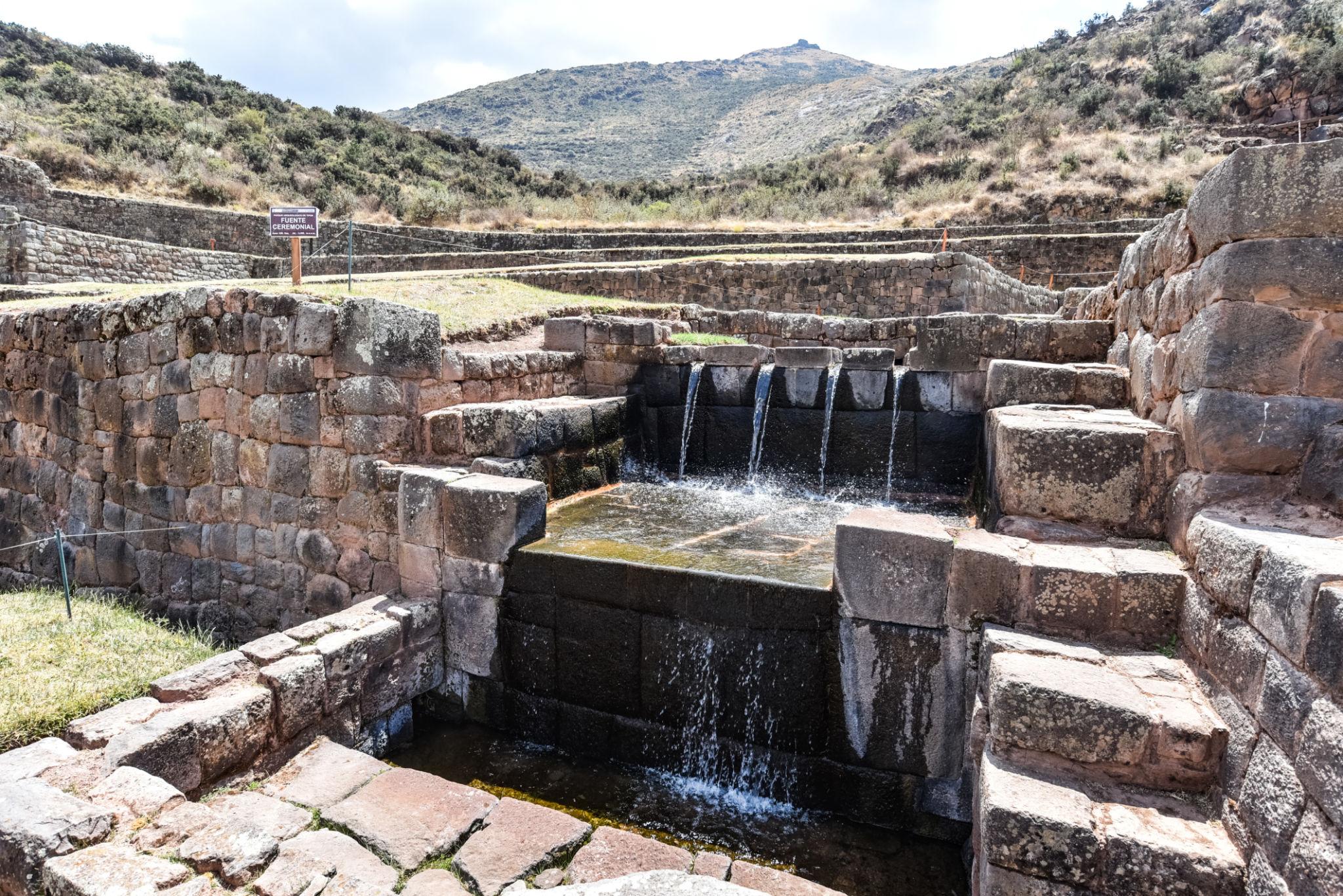
Tipón is traditionally associated with the Inca ruler Wiracocha, who, according to historical accounts and local tradition, ordered the construction of royal gardens and residential areas.
The archaeological complex may have served several important purposes:
- Agricultural: Cultivation of crops using sophisticated irrigation systems.
- Ceremonial: Worship and symbolic reverence for water.
- Residential: Spaces associated with Inca nobility.
- Administrative: Organization and management of agricultural resources.
The site’s historical importance lies in the integration of architecture, agriculture, water management, and the natural landscape.
Tipón was declared a National Cultural Heritage site in 2002. In 2008, it received international recognition as an outstanding example of civil engineering from the American Society of Civil Engineers (ASCE). Consultas en Línea+1
3. Inca hydraulic engineering: The masterpiece of Tipón
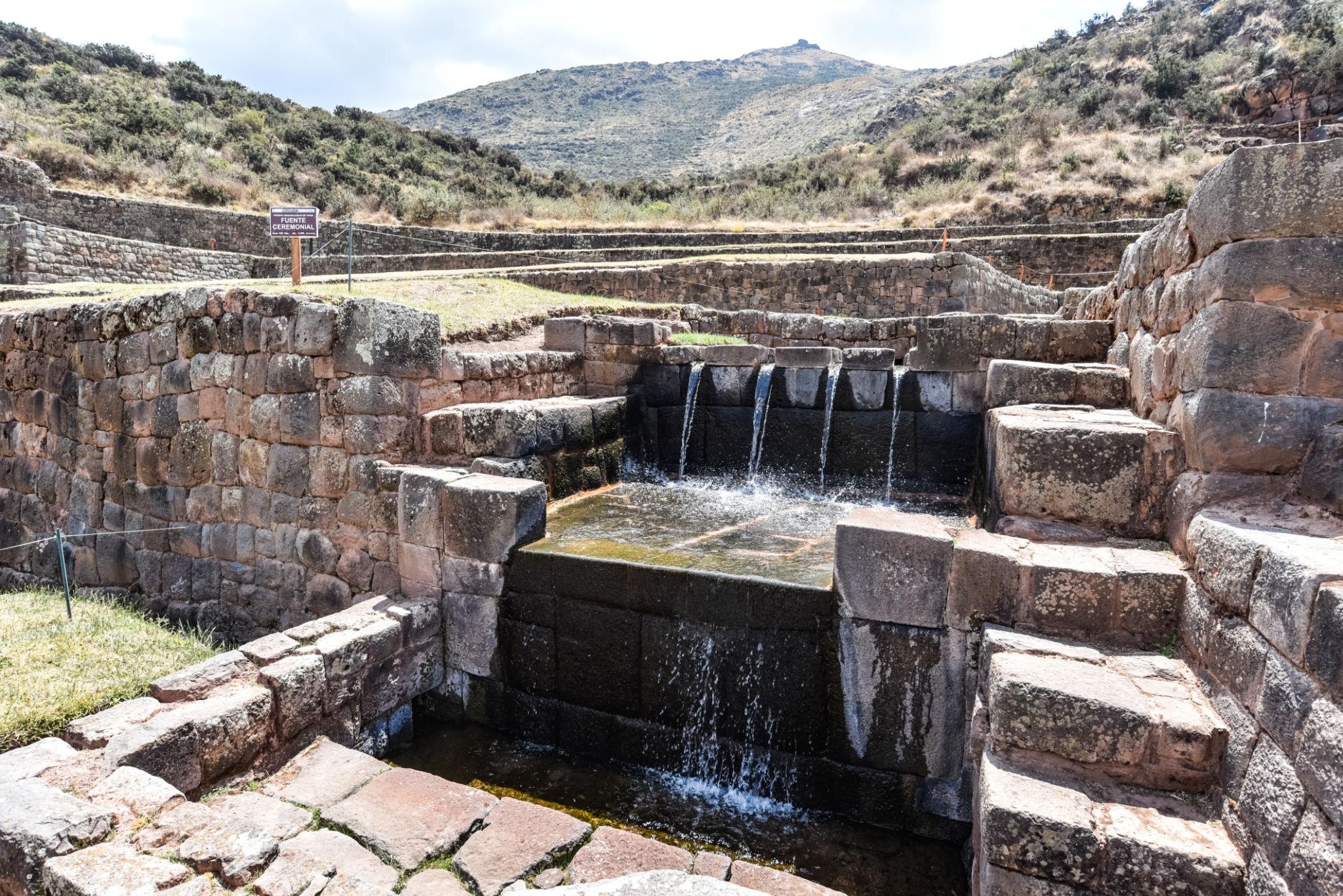
The greatest attraction of Tipón is its extraordinary hydraulic system. The Incas developed a sophisticated network that collected, transported, controlled, and distributed water throughout the archaeological complex.
This system demonstrates an impressive understanding of gravity, water pressure, drainage, and hydraulic flow.
Main engineering features:
1. Stone water channels
Carefully carved channels transported water across the complex. Their construction allowed water to flow through different levels of the terraces.
2. Ceremonial fountains
Beautifully constructed fountains demonstrate how the Incas combined practical water management with religious and aesthetic purposes.
3. Underground canals
Some sections of the hydraulic network were built underground, allowing water to travel through the landscape while protecting and regulating its flow.
4. Water distribution systems
Special structures controlled and redirected water toward different agricultural terraces, helping maintain an organized irrigation network.
5. Hydraulic drainage
Drainage structures helped remove excess water and protect agricultural platforms and retaining walls from water accumulation.
The American Society of Civil Engineers recognizes Tipón as an important example of advanced Inca hydraulic and geotechnical engineering. ASCE+1
4. The agricultural terraces (Andenes)
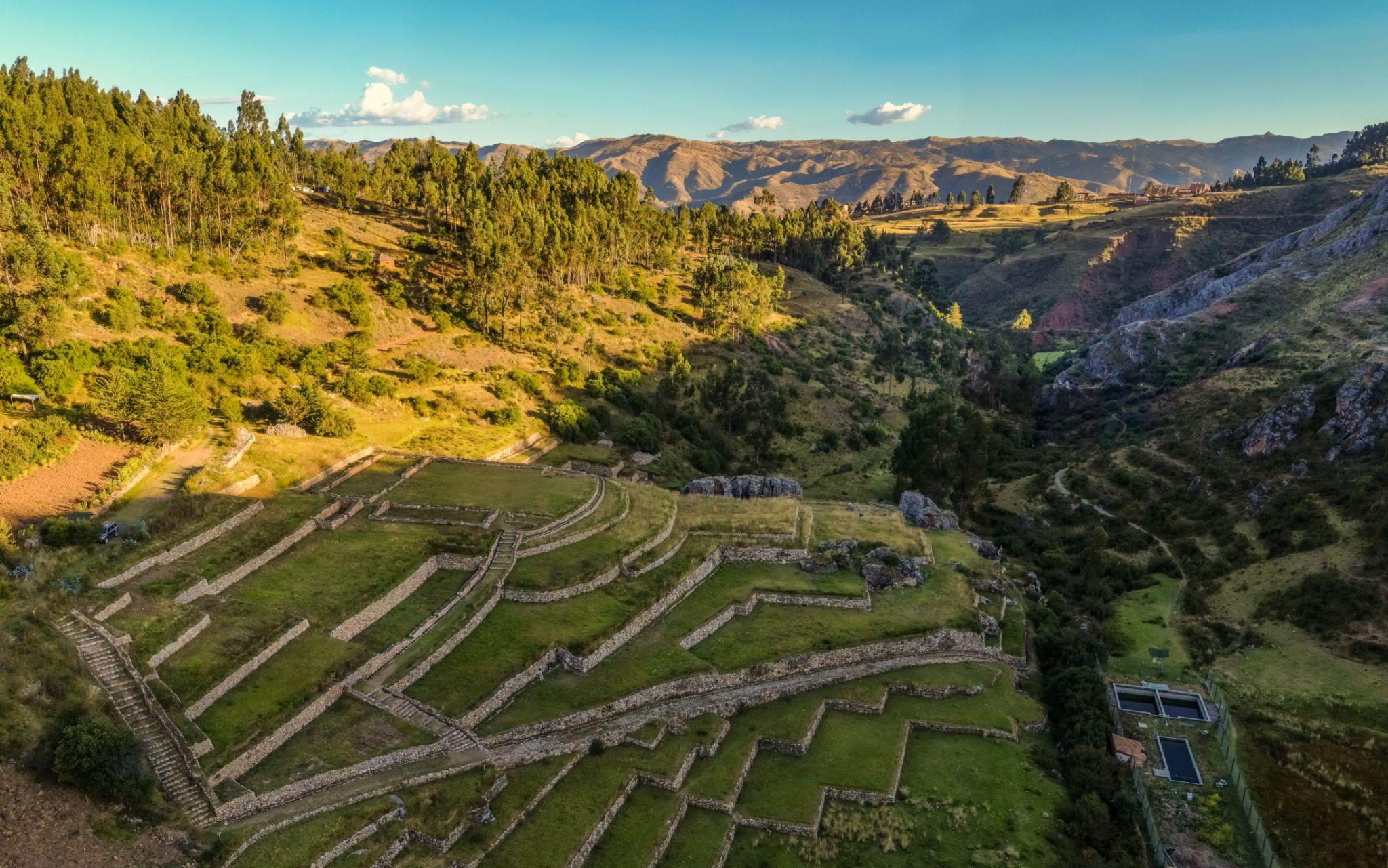
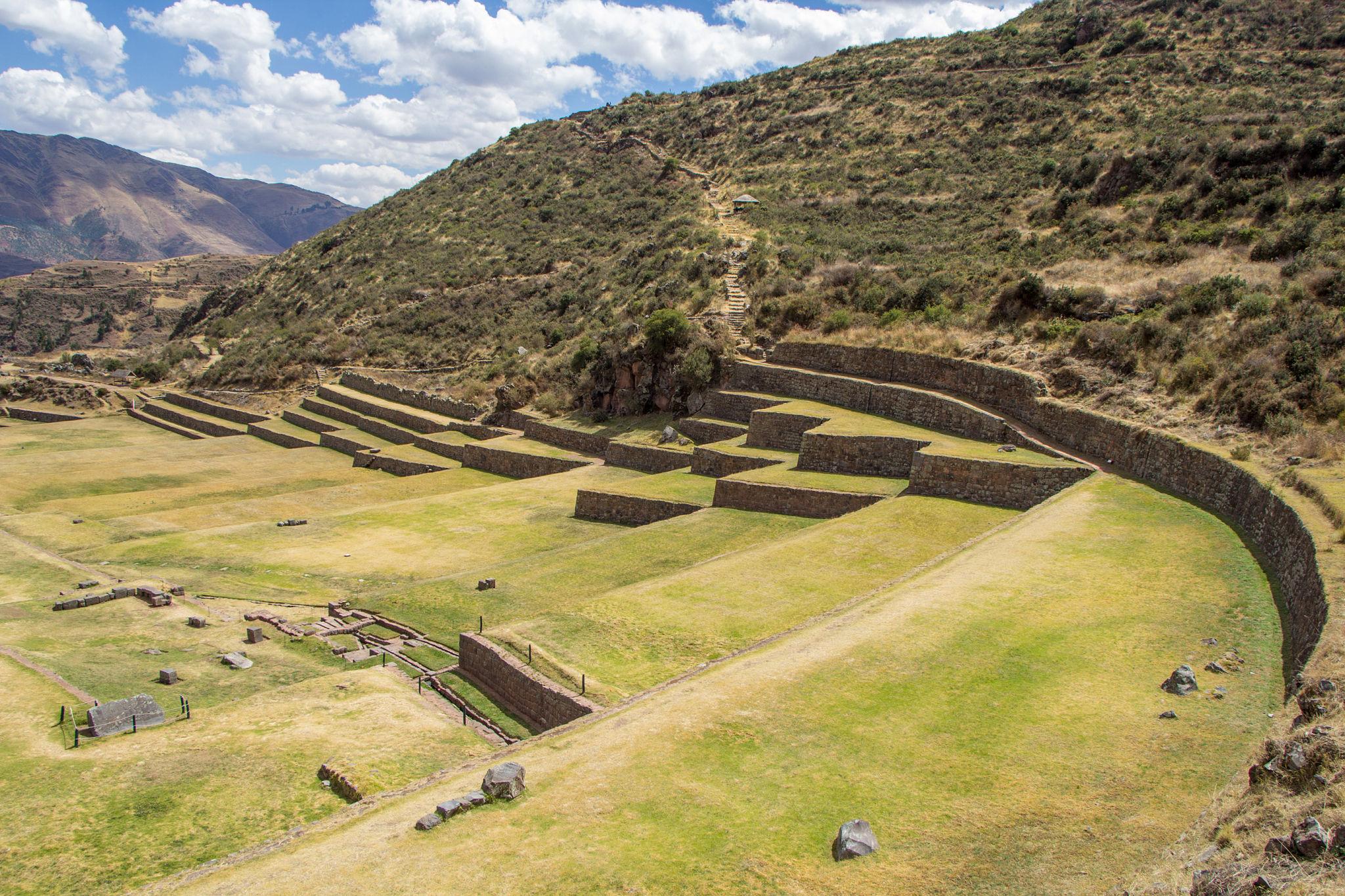
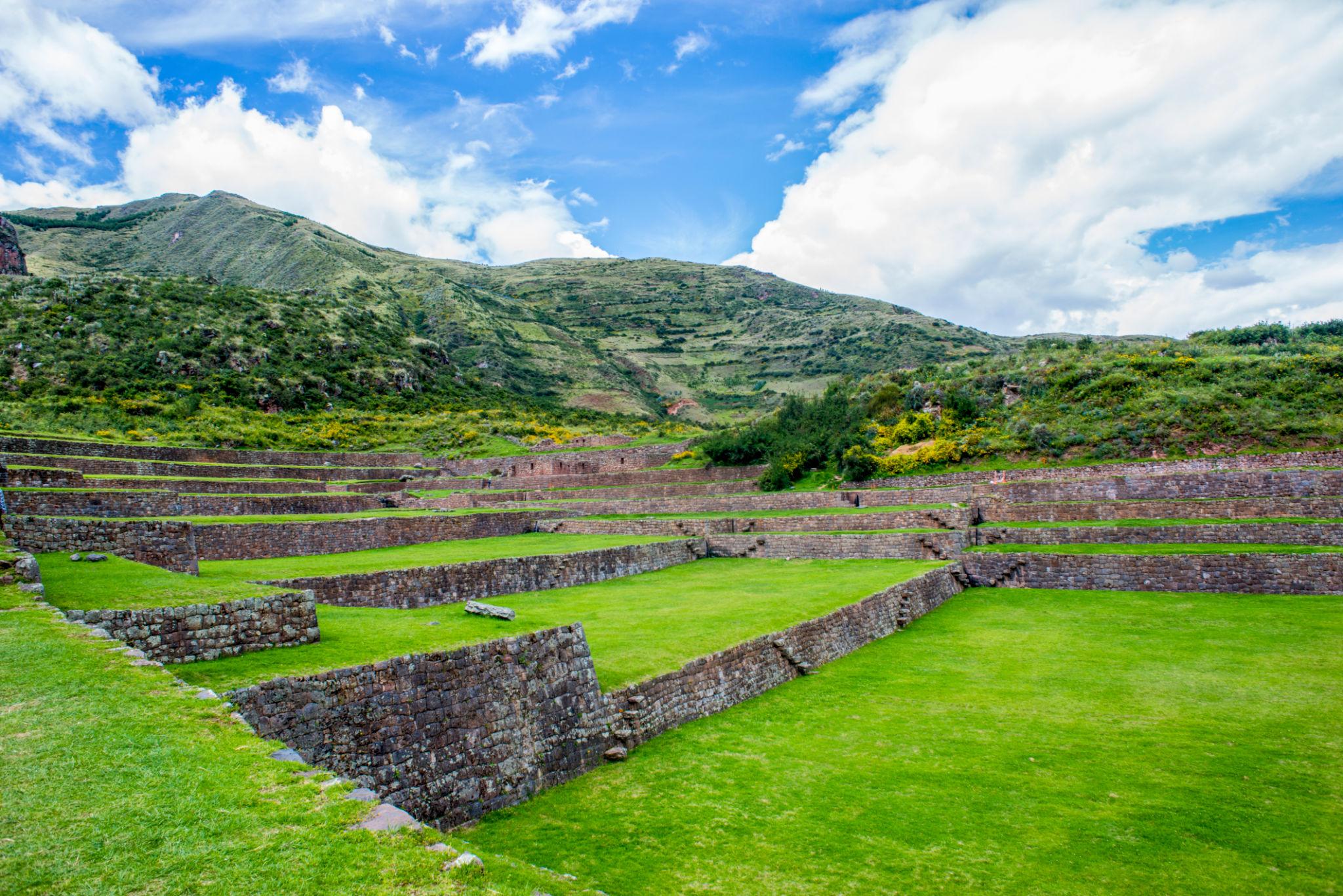
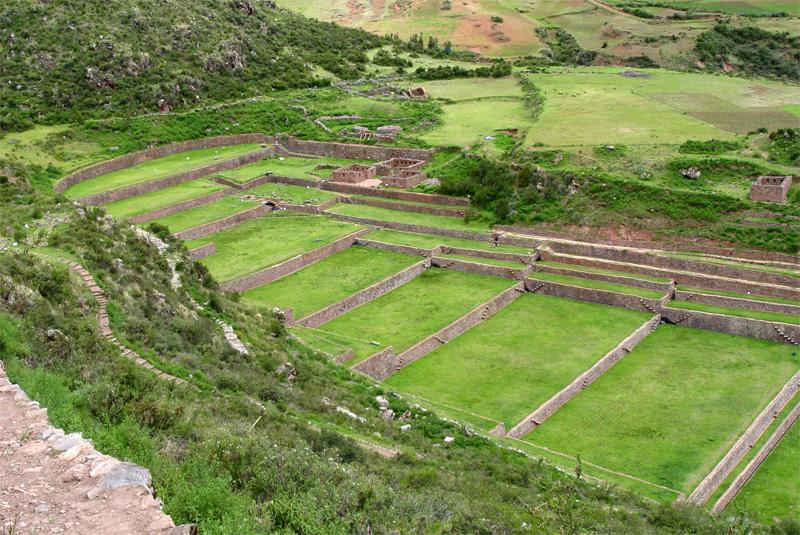
The agricultural terraces are among the most impressive architectural features of Tipón.
Built along the natural slopes of the mountains, these platforms transformed uneven terrain into productive agricultural land.
Their principal functions included:
- Creating flat surfaces for cultivation.
- Improving water distribution.
- Controlling soil erosion.
- Managing soil moisture.
- Taking advantage of different microclimates.
The combination of retaining walls, irrigation canals, and drainage systems demonstrates how Inca agricultural engineering adapted to the challenging Andean environment.
5. Main archaeological sectors of Tipón
| Archaeological sector | Main features |
|---|---|
| Central terraces | Agricultural platforms and irrigation channels |
| Royal enclosures | Stone residences, fountains, and architectural structures |
| Intiwatana | Elevated architectural and ceremonial area |
| Cruzmoqo | Higher sector with panoramic views |
| Hydraulic complex | Canals, fountains, and water distribution structures |
Each sector provides a different perspective on the organization, technology, and cultural significance of this ancient settlement. Consultas en Línea+1
6. The cultural and spiritual importance of water
For the Incas, water was much more than a natural resource. It represented life, fertility, agricultural prosperity, and the connection between humans and the natural world.
The presence of ceremonial fountains and carefully designed water features suggests that water had both practical and symbolic importance at Tipón.
Water was closely connected with Andean beliefs and the relationship between communities, mountains (Apus), and Pachamama (Mother Earth).
Tipón is therefore often described as the Temple of Water, a place where engineering, spirituality, and nature came together.
7. How to get to Tipón from Cusco
Tipón is easily accessible from Cusco by private transportation, taxi, or organized South Valley tour.
Recommended route:
- Depart from Cusco through the Cusco–Sicuani highway.
- Continue toward the Tipón access point.
- Follow the paved road toward Choquepata.
- Continue approximately 4 km from the community to the archaeological park entrance.
The official cultural authority describes approximately 17.5 km from Cusco to the Tipón access point, followed by the additional road to the archaeological park. Dirección Desconcentrada de Cultura de Cusco
Use two fingers to move the map
Use ctrl + scroll to zoom the map
Cusco City4,6•Attraction
Tipón Archaeological Park4,6•National parkCerrado
8. Entrance fees and visiting hours
- Entrance: Tipón is included in the Cusco Tourist Ticket (Boleto Turístico del Cusco).
- Official visiting hours: 7:00 a.m. – 4:30 p.m.
- Recommended visiting time: 1–2 hours.
- Altitude: Approximately 3,430–3,450 meters above sea level.
Ticket prices and access conditions may change, so visitors should confirm the current information with COSITUC before their visit. Dirección Desconcentrada de Cultura de Cusco+2
9. Best time to visit Tipón
Tipón can be visited throughout the year.
- Dry season (May–September): Generally sunny days, clearer views, and better conditions for photography.
- Rainy season (November–March): Green landscapes and abundant vegetation, but rain can make stone paths slippery.
- Shoulder months (April and October): A good balance between vegetation and relatively favorable weather.
10. What to bring
- Comfortable walking shoes.
- Sunscreen and sunglasses.
- Hat or cap.
- Drinking water.
- Light jacket.
- Camera or smartphone.
- Personal identification.
Visitors should respect the archaeological structures, avoid touching or climbing the walls, and follow the park’s conservation regulations.
11. Combine Tipón with the South Valley of Cusco
Tipón is an excellent destination to combine with other cultural attractions in the South Valley.
- Pikillacta: An important pre-Inca urban center built by the Wari civilization.
- Andahuaylillas Church: Famous for its extraordinary colonial paintings and religious art.
- Huacarpay Lagoon: A beautiful natural landscape with wetlands and birdlife.
A South Valley tour offers an excellent combination of Inca engineering, pre-Inca history, colonial architecture, and Andean landscapes.
12. Frequently Asked Questions about Tipón
1. Why is Tipón famous?
Tipón is famous for its advanced Inca hydraulic engineering, agricultural terraces, stone water channels, and ceremonial fountains.
2. Is Tipón an Inca archaeological site?
Yes. It is an important pre-Hispanic archaeological complex associated with Inca architecture, agriculture, water management, and ceremonial activities.
3. Are the water channels still working?
Yes. Several original water channels and fountains continue to carry water, demonstrating the effectiveness of the ancient hydraulic system.
4. How long does it take to visit Tipón?
Most visitors spend approximately 1–2 hours exploring the main archaeological sectors.
5. Can I visit Tipón without a tour?
Yes. Independent visitors can access the archaeological park with the appropriate entrance ticket.
6. Is Tipón suitable for engineering students?
Absolutely. It is an exceptional destination for studying hydraulic engineering, gravity-fed irrigation, drainage systems, agricultural architecture, and sustainable water management.
7. What is the meaning of Tipón?
One proposed etymology connects the name with the Quechua word Timpuy, meaning to boil, possibly referring to the appearance of water emerging from the fountains. Consultas en Línea
13. Why visit Tipón with Pacha Expeditions?
At Pacha Expeditions, we believe that discovering Cusco means understanding the history, knowledge, and traditions of its ancient civilizations.
Our South Valley experiences introduce travelers to the extraordinary heritage of the Incas through expert cultural interpretation, local knowledge, and personalized service.
Explore Tipón and discover how an ancient civilization transformed water into one of its greatest engineering achievements.
Contact Pacha Expeditions
- Website: www.pachaexpeditions.com
- Email: info@pachaexpeditions.com
- WhatsApp: +51 984 387050