Quelccaya Glacier: The World’s Largest Tropical Ice Cap
The Quelccaya Glacier, more accurately known as the Quelccaya Ice Cap, is located in the Cordillera Vilcanota of southern Peru,near the Ausangate snow-capped mountain, between the Cusco and Puno regions. It is one of the most important tropical ice masses in the world and has become a key natural laboratory for studying climate change in the Andes. Scientific literature has historically described Quelccaya as the world’s largest tropical ice cap.
Where Is the Quelccaya Glacier?
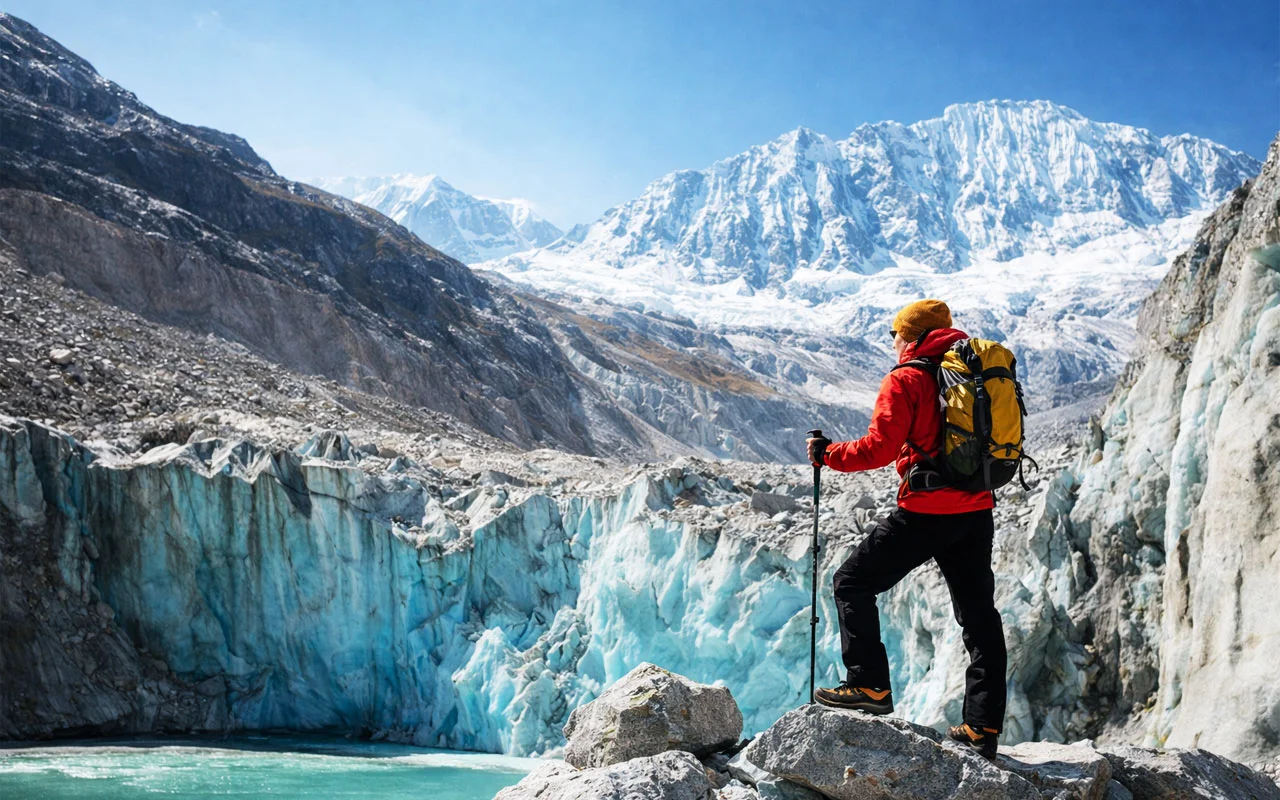
Quelccaya is situated in the high Andes of southern Peru, in the Cordillera Vilcanota. Its summit reaches approximately 5,680 meters (18,635 feet) above sea level, while much of the ice cap lies around 5,300 meters.
The surrounding landscape includes high-altitude valleys, glacial lakes, wetlands, rocky moraines and traditional Andean communities.
Why Is Quelccaya Glacier Important?
Quelccaya is much more than a spectacular high-mountain destination. Its ice contains valuable information about past environmental and climatic conditions. According to INAIGEM’s 2025 publication, the ice preserves more than 1,800 years of climate history, making it an important natural archive for scientific research.
The glacier also contributes to water systems that support high-Andean ecosystems and local communities.
Quelccaya Glacier and Climate Change
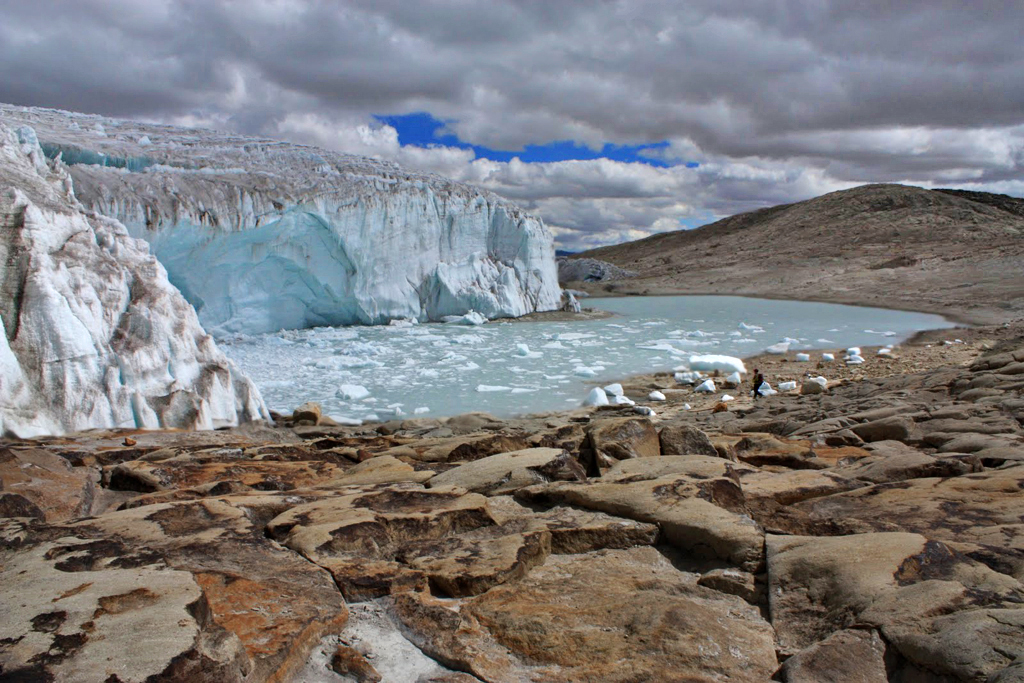
Quelccaya has experienced substantial glacier retreat. INAIGEM reported that its surface decreased by approximately 46% between 1976 and 2020, changing its status from the largest tropical glacier/ice cap to the second largest in the classification used in its 2022 guide, behind Coropuna.
This makes Quelccaya an important site for understanding the effects of a changing climate on tropical glaciers.
Qori Kalis Glacier
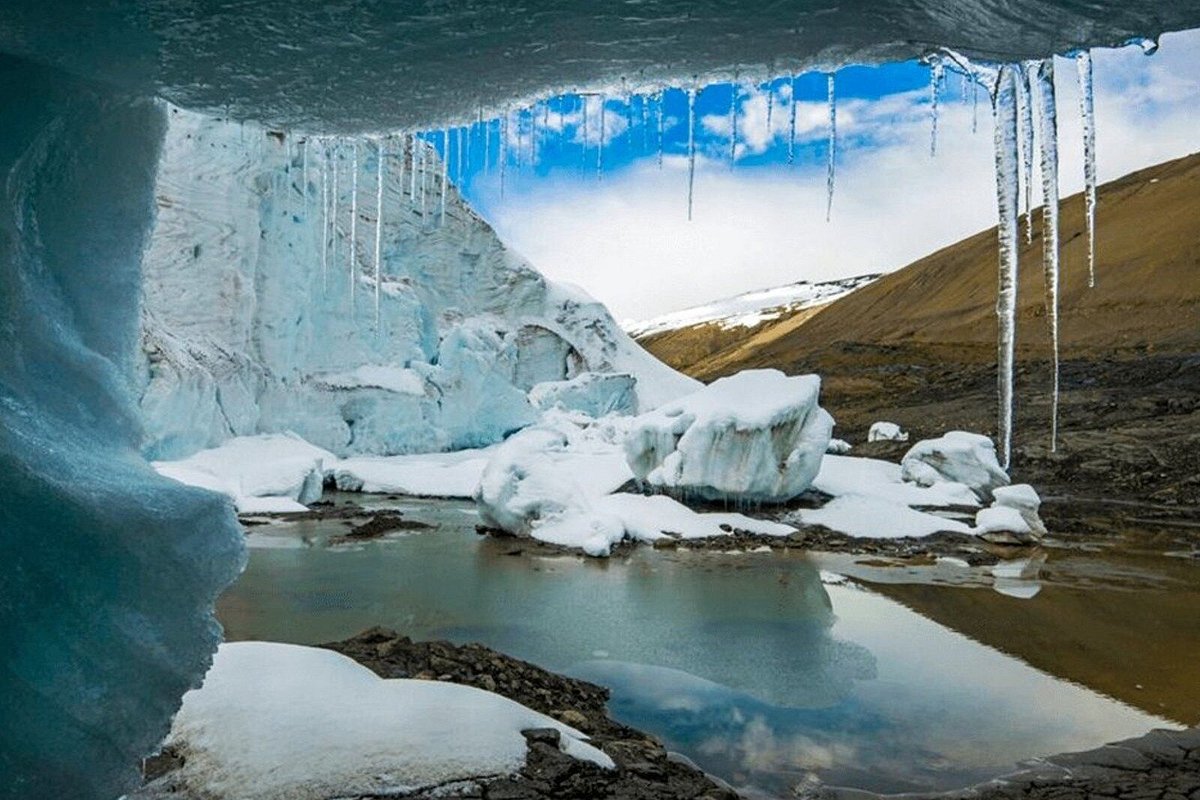
One of Quelccaya’s best-known outlet glaciers is Qori Kalis. Scientists have monitored its retreat for decades, providing one of the longest records of tropical glacier change in the Andes.
Visiting Quelccaya Glacier
A journey to Quelccaya offers an opportunity to experience a remote Andean landscape far from the main tourist circuits of Cusco. Visitors can discover:
- High-altitude glacial landscapes
- Ice fields and moraines
- Andean lakes and wetlands
- Mountain scenery in the Vilcanota Range
- Local communities and Andean culture
- Unique high-altitude ecosystems
Because the area is extremely high and remote, visitors should be properly acclimatized and travel with appropriate equipment and experienced guides.
Best Time to Visit Quelccaya
The dry season, generally from May to October, is commonly considered the more suitable period for high-altitude trekking in the Cusco Andes. However, weather conditions around Quelccaya can change rapidly, so trips should always be planned according to current local conditions.
Responsible Tourism at Quelccaya
Quelccaya is an exceptionally fragile high-Andean environment. Responsible tourism should include minimizing waste, respecting local communities, avoiding disturbance to wildlife and following established routes and conservation guidelines.
Protecting Quelccaya is particularly important because the ice cap is both a natural ecosystem and a valuable scientific record of past climate conditions.
Frequently Asked Questions About Quelccaya Glacier
Is Quelccaya the world’s largest tropical glacier?
Quelccaya has historically been described in scientific literature as the world’s largest tropical ice cap. More recent measurements show substantial retreat, and INAIGEM’s 2022 guide reported that Coropuna had surpassed it in area by 2020.
How high is Quelccaya Glacier?
The highest point of the Quelccaya Ice Cap is approximately 5,680 m (18,635 ft) above sea level.
Where is Quelccaya Glacier located?
It is located in the Cordillera Vilcanota of southern Peru, between the Cusco and Puno regions.
Why is Quelccaya important for climate research?
Its ice preserves a long record of past climatic conditions, while its continuing retreat provides important evidence for studying changes affecting tropical glaciers and Andean water resources.