
Pisac Inca Village: History, Ruins, Market & Travel Tips
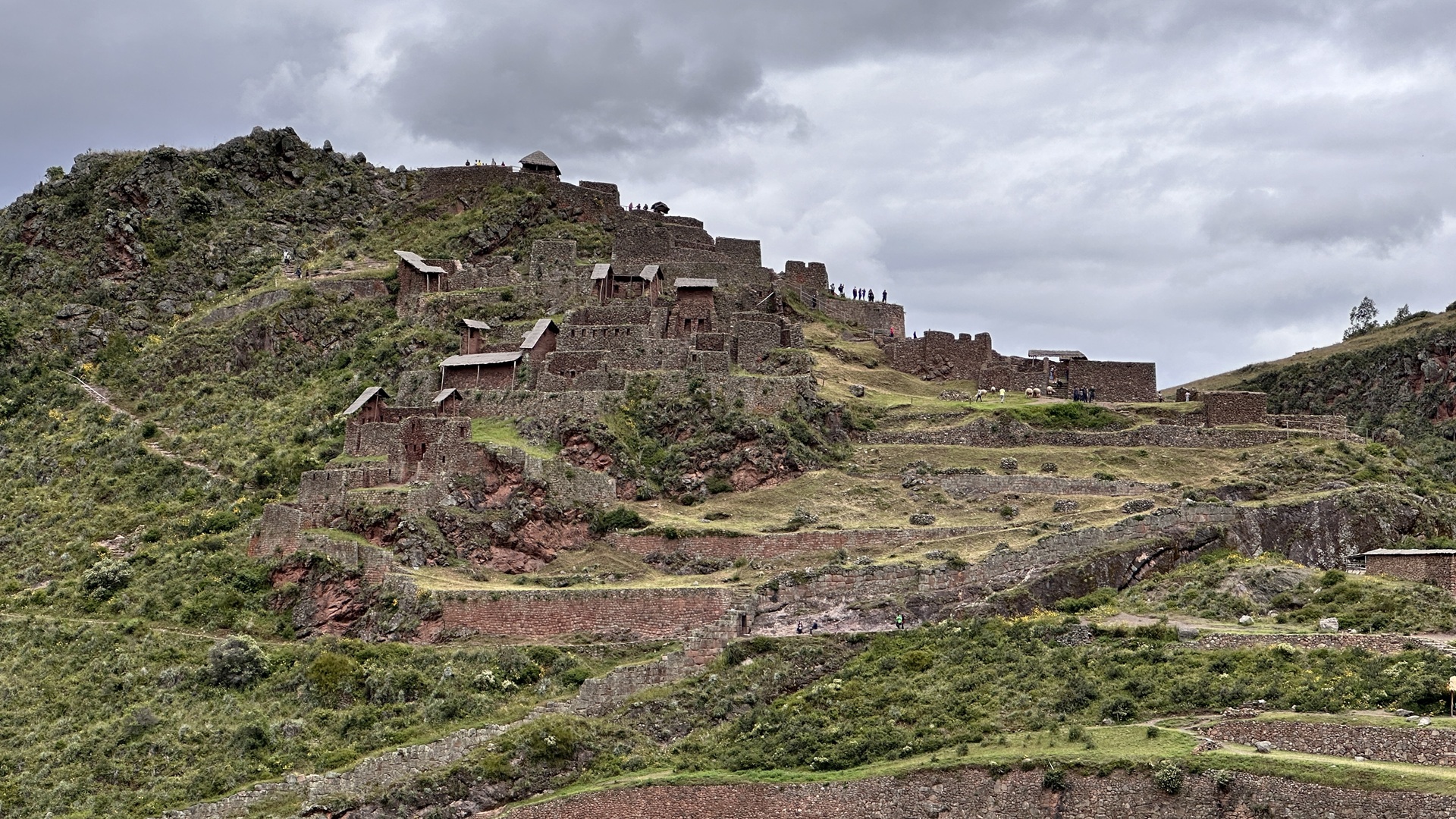
Pisac Inca Village. Located in the Sacred Valley of the Incas near Cusco, Peru, is one of the most fascinating destinations in the Andes. The town combines an impressive Inca archaeological complex, enormous agricultural terraces, traditional Andean culture, spectacular mountain scenery, and a famous handicraft market.
For travelers exploring the Sacred Valley of the Incas, Pisac is an excellent first stop before continuing toward Calca, Urubamba and Ollantaytambo.
Where is Pisac Inca Village ?
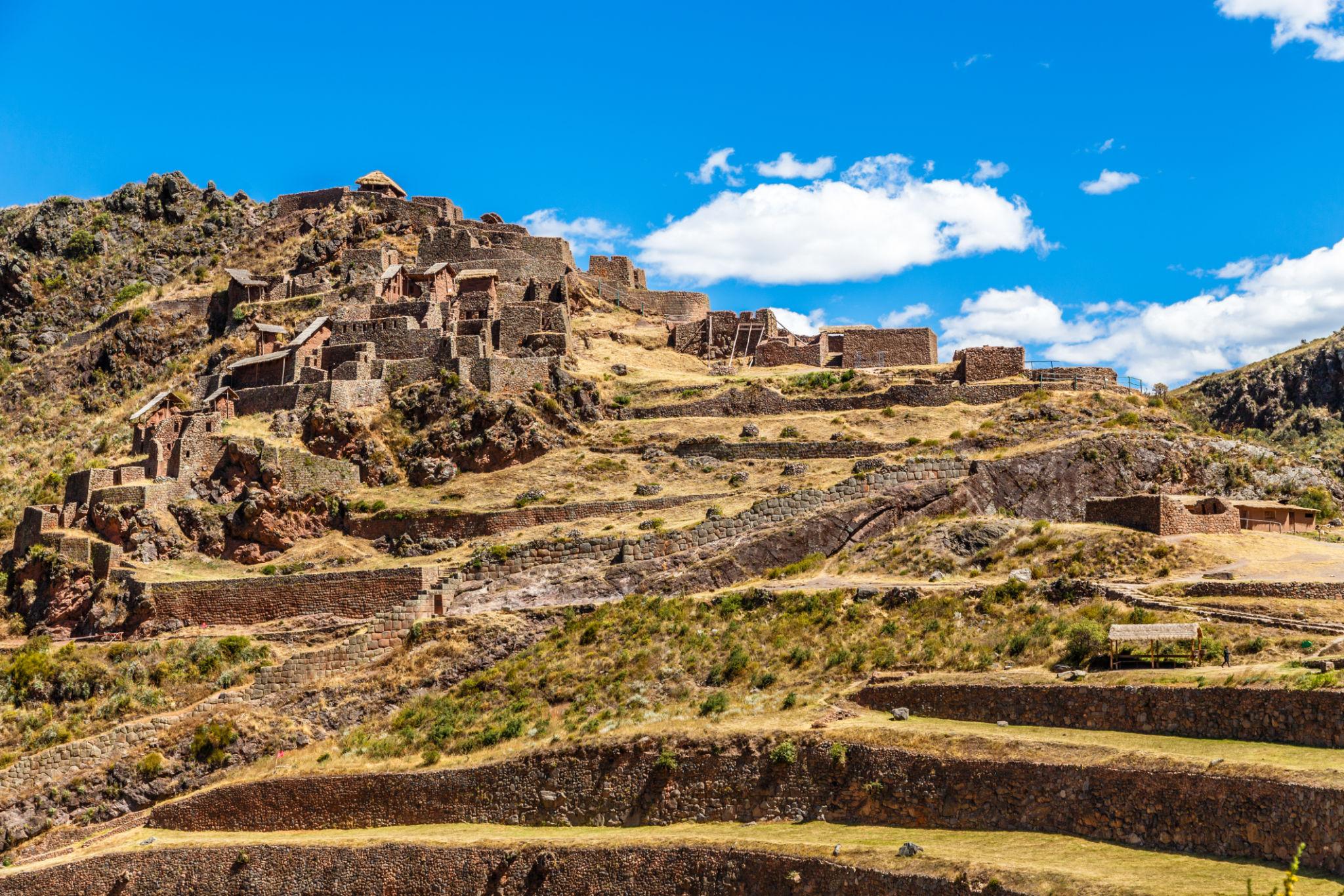
Pisac is located in the province of Calca, in the Cusco region, approximately 33 km from Cusco. The archaeological park is situated high above the modern town, overlooking the valley. The official Dirección Desconcentrada de Cultura de Cusco places the archaeological park at an average altitude of approximately 3,400 m (11,155 ft).
The journey from Cusco follows the paved Cusco–Calca road and normally takes around 45–60 minutes, depending on traffic and stops.
History of Pisac
Pisac is traditionally associated with the Inca ruler Pachacutec. According to historical sources cited by the Dirección Desconcentrada de Cultura de Cusco, Pisac was considered a type of royal estate or hacienda belonging to Pachacutec’s panaca, or royal lineage.
The archaeological complex was strategically positioned at the entrance to the Sacred Valley. Its location allowed the Incas to combine:
- Agricultural production
- Religious activities
- Residential areas
- Defensive functions
- Control of important routes
The complex also demonstrates the sophisticated relationship between Inca architecture and the Andean landscape.
Pisac Inca Village – Archaeological Park.
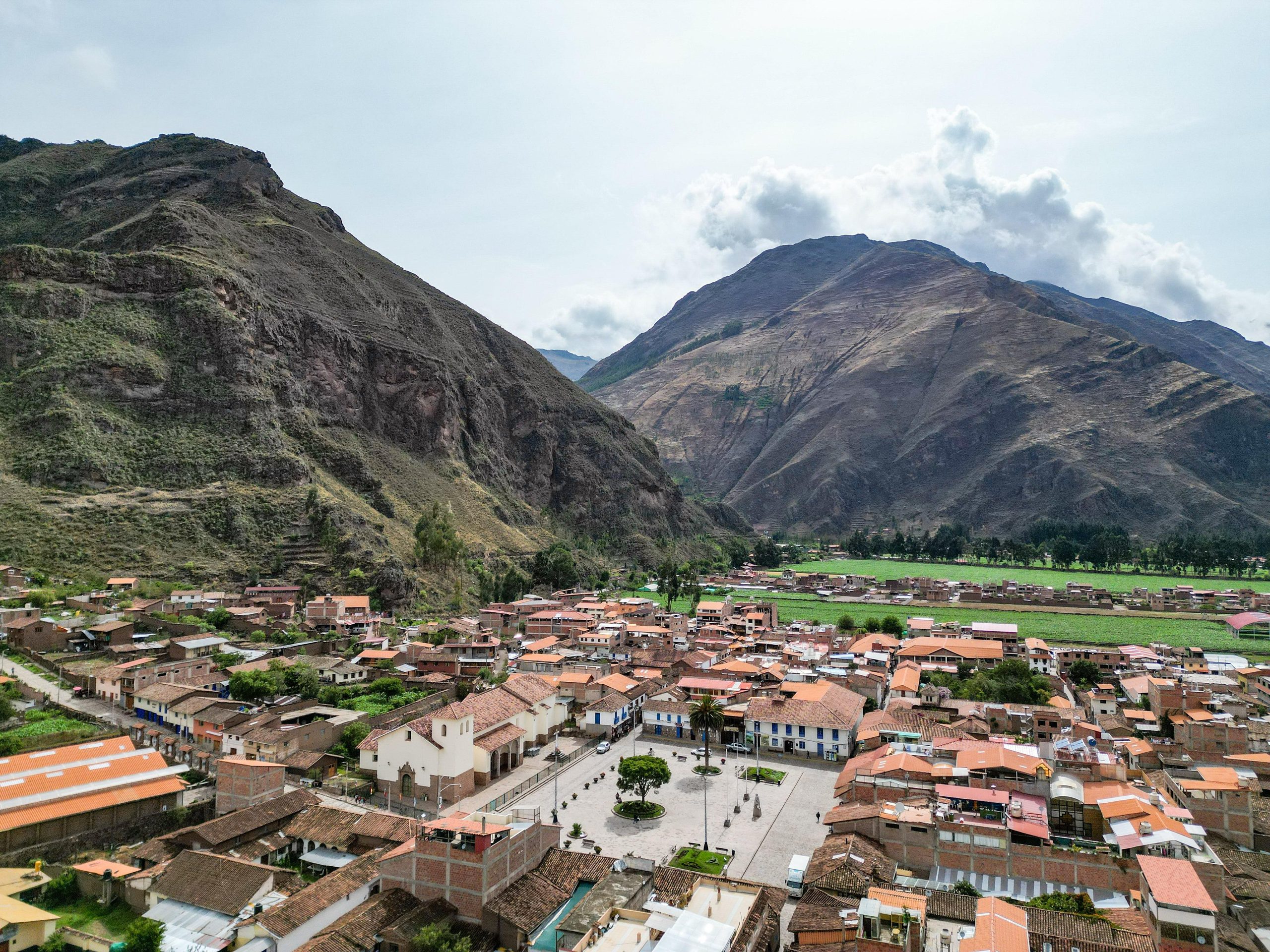
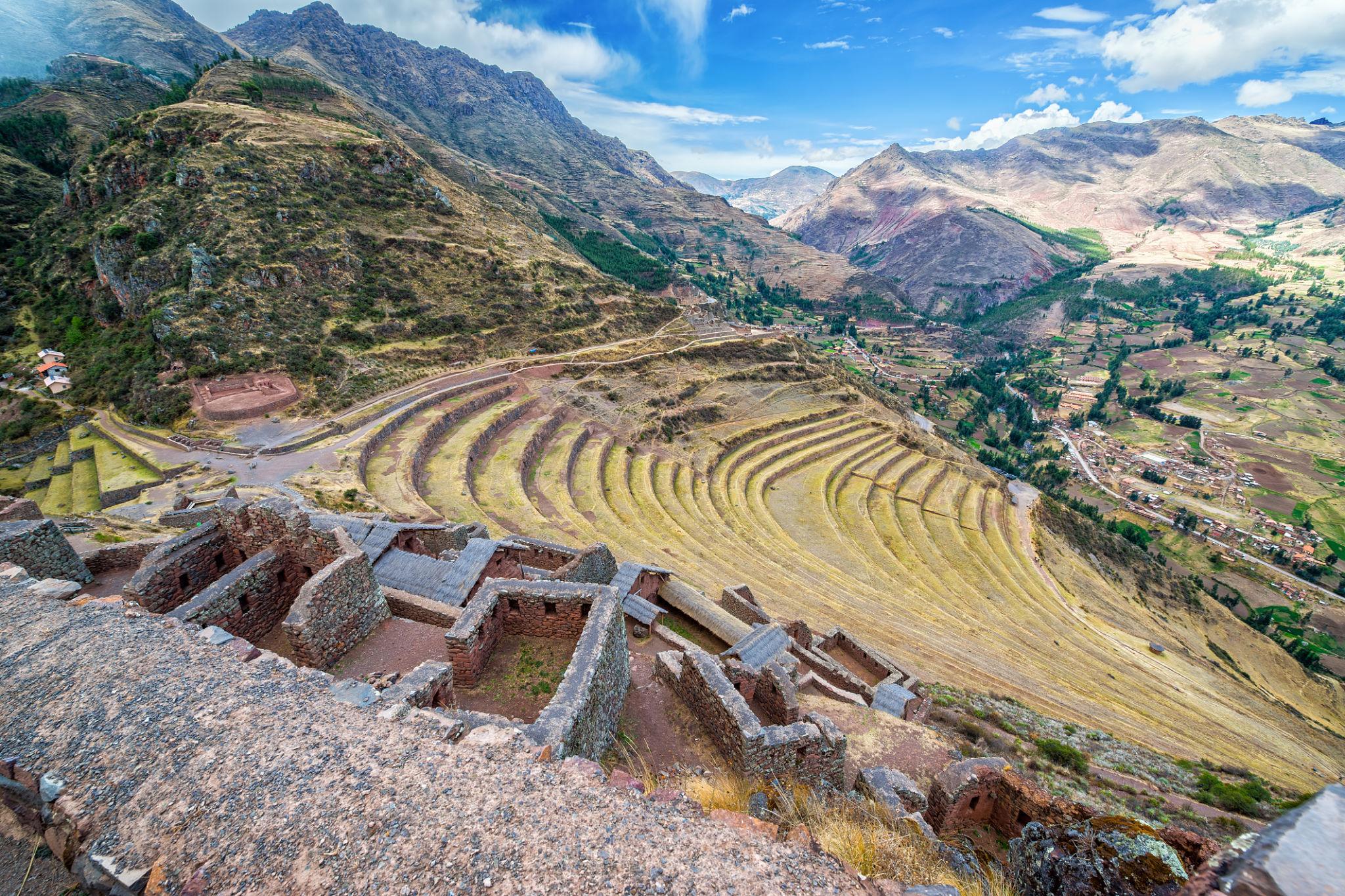
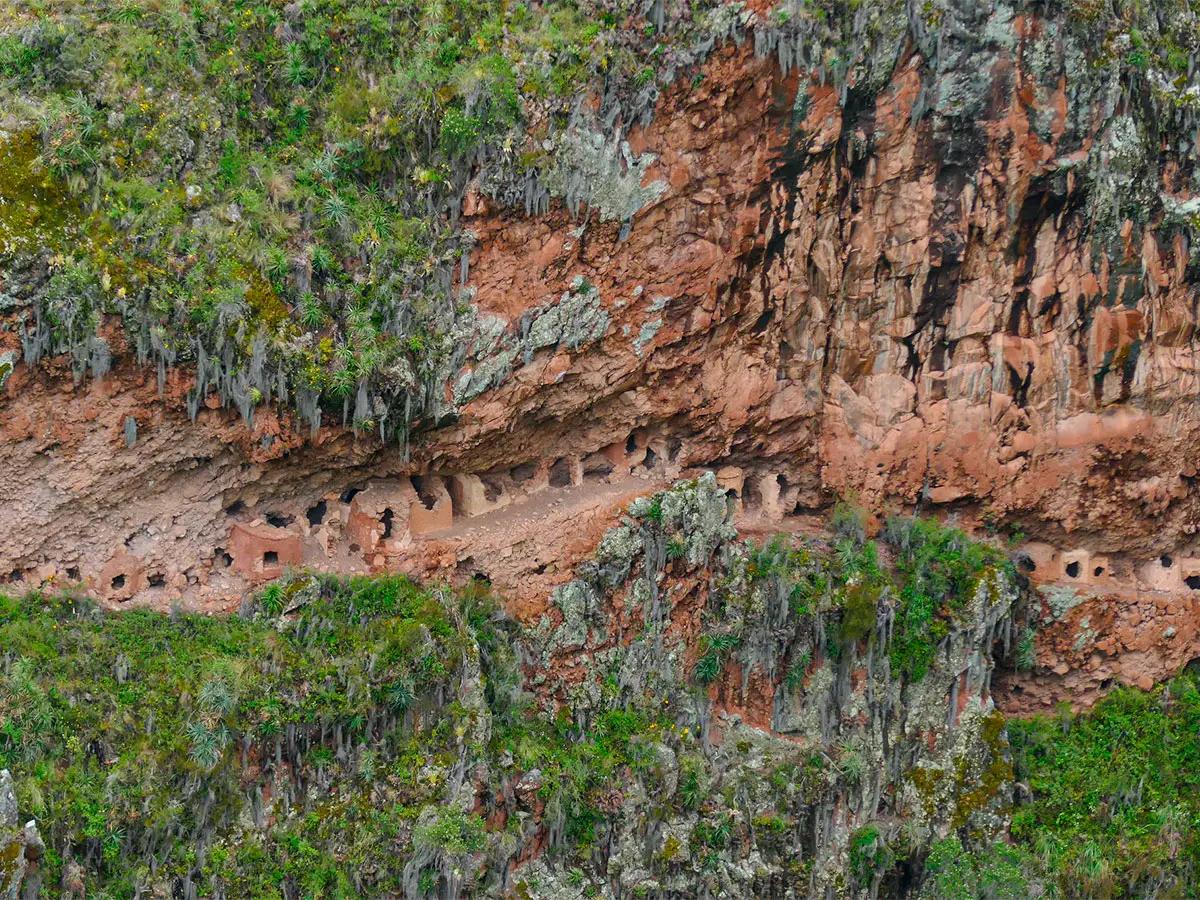
The Pisac Archaeological Park is the main attraction. It covers approximately 9,063 hectares, with archaeological structures distributed across mountainsides and ridges.
Among the most interesting features are:
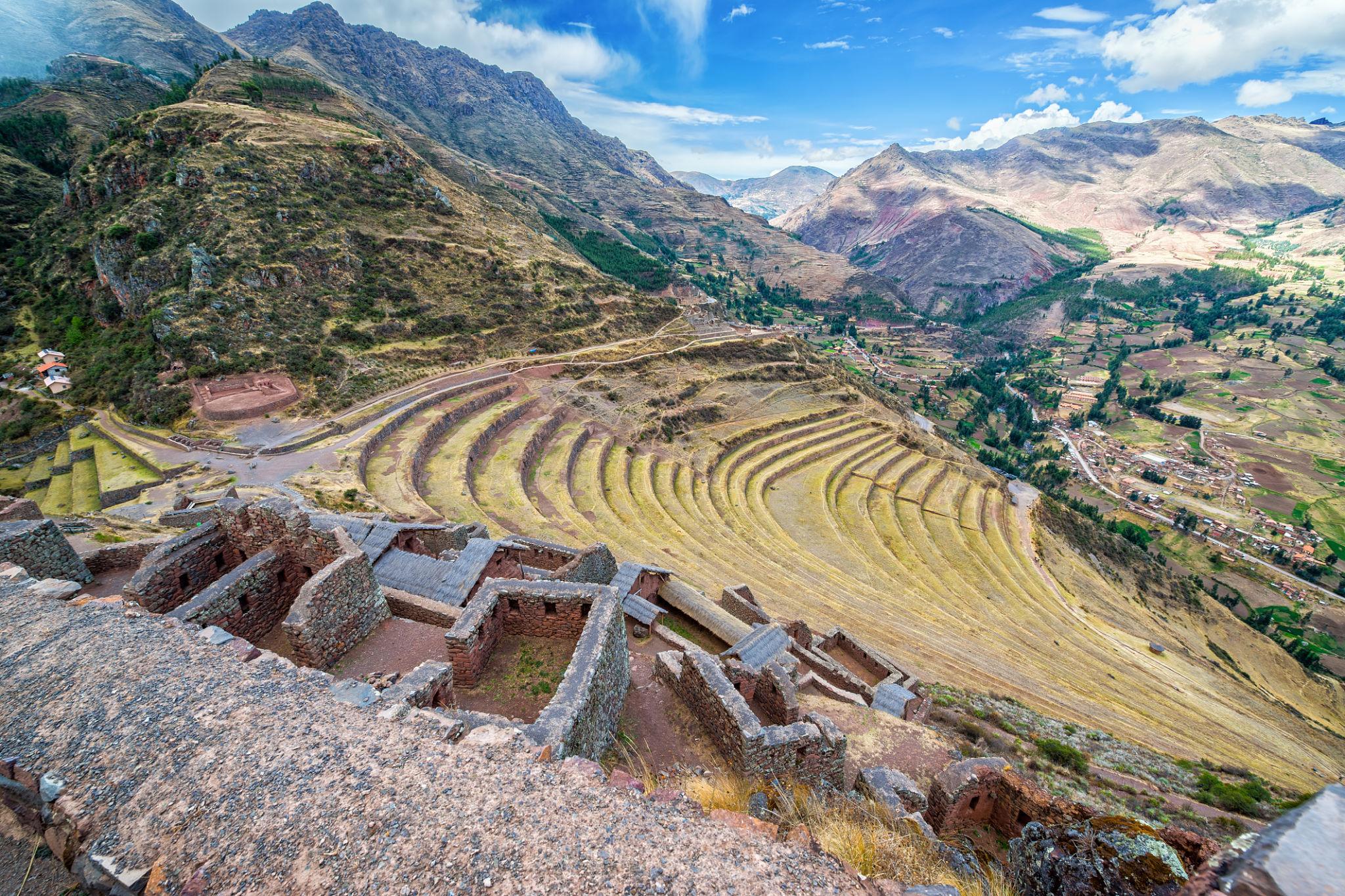
Inca terraces
The enormous agricultural terraces, or andenes, follow the natural contours of the mountains. They demonstrate the Incas’ ability to manage steep terrain and create productive agricultural landscapes.
Intihuatana
The ceremonial sector includes finely carved stone structures traditionally associated with astronomical and religious functions. The stonework illustrates the precision characteristic of elite Inca construction.
Religious and ceremonial sectors
Several temples, ceremonial spaces and finely worked stone structures are distributed throughout the archaeological complex.
Military and defensive areas
The strategic position of Pisac provided control over the surrounding valleys and important routes. The complex includes structures interpreted as defensive or military installations.
Inca cemetery
The cliffs around Pisac contain the remains of an extensive Inca burial area. The cemetery was unfortunately looted and damaged following the Spanish invasion.
Pisac Inca Village and Traditional Market.
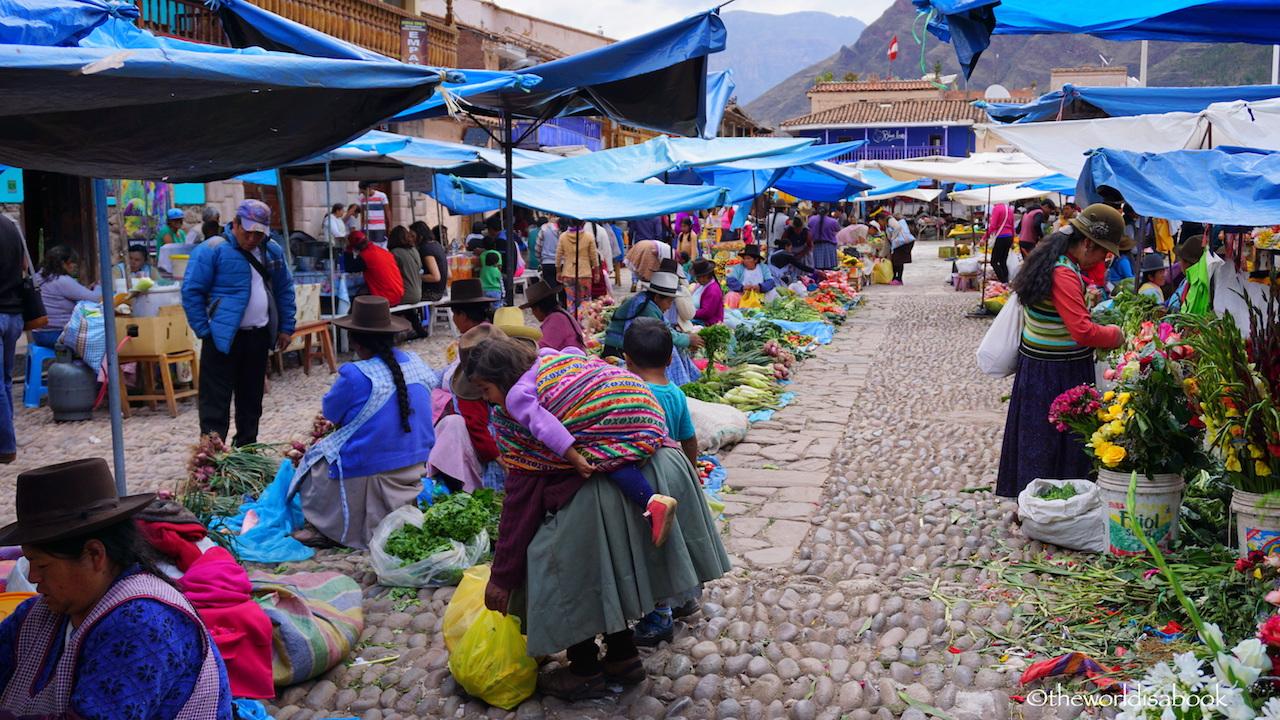
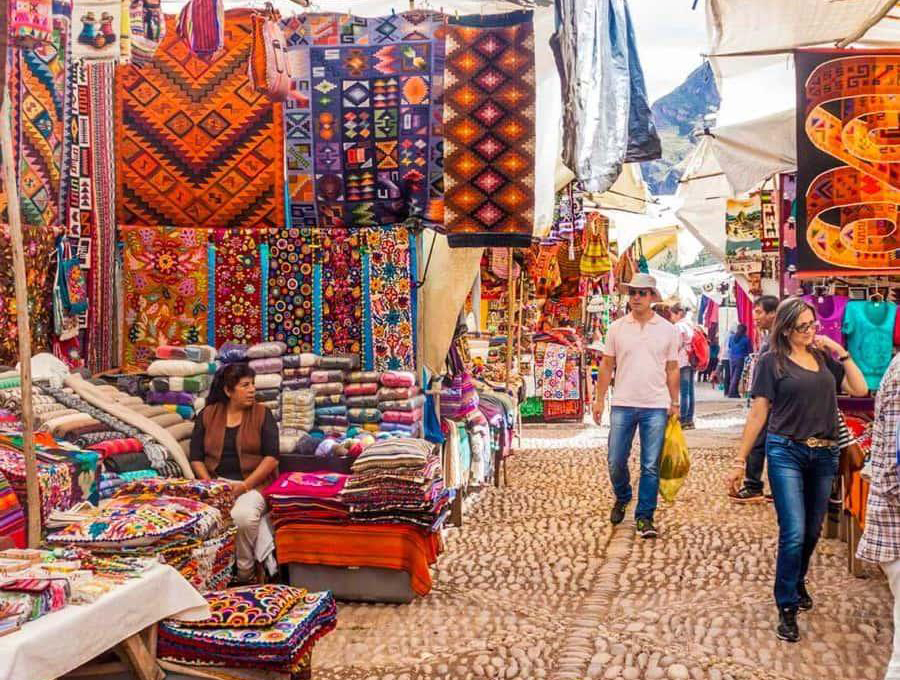
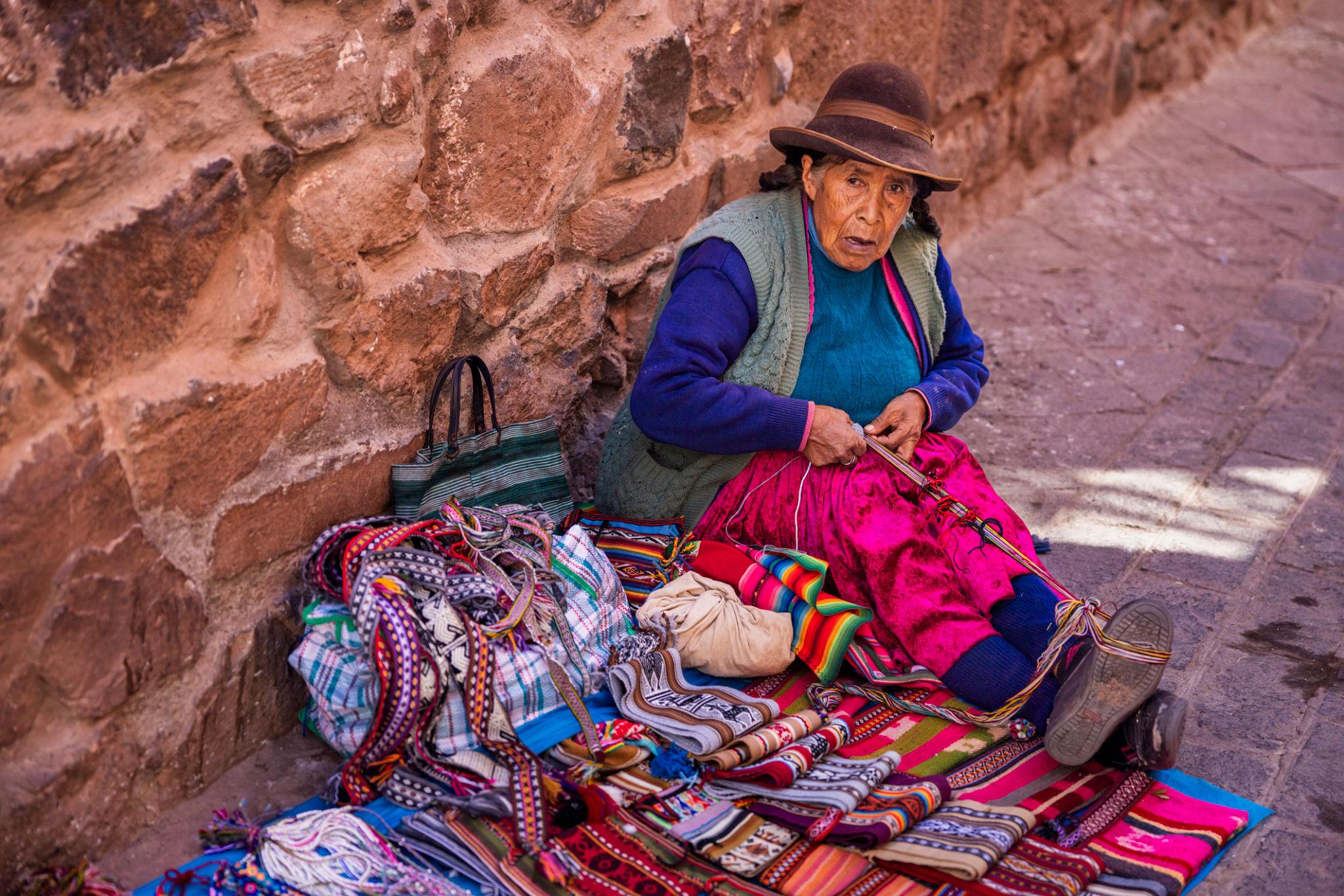
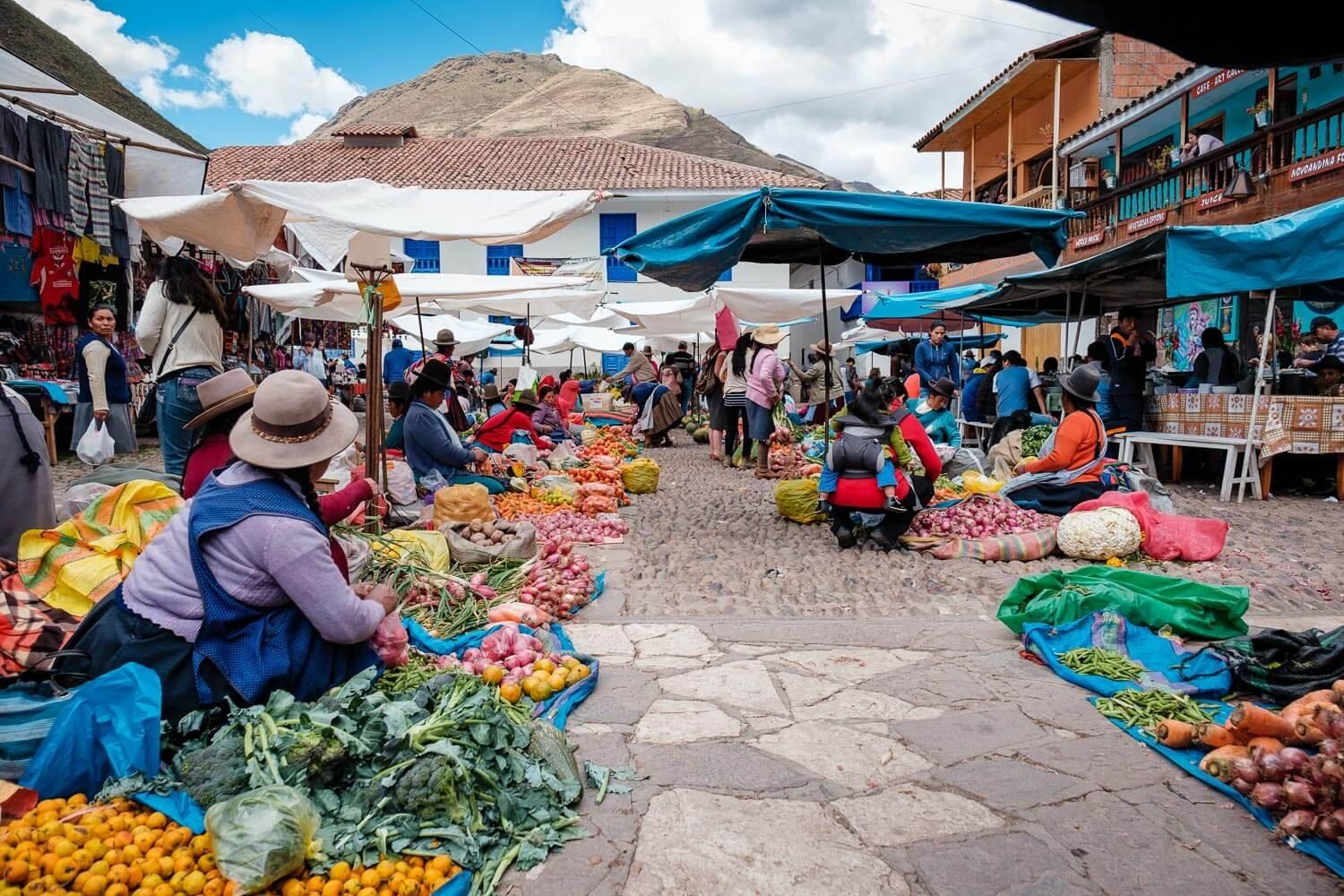
Below the archaeological park lies the modern town of Pisac, famous for its traditional market and Andean handicrafts.
Visitors can find:
- Alpaca textiles
- Handwoven blankets
- Chullos and scarves
- Ceramics
- Silver jewelry
- Traditional musical instruments
- Andean souvenirs
- Local agricultural products
Sunday is particularly interesting for travelers who want to experience a stronger traditional market atmosphere, as producers and communities from the surrounding areas gather in the town.
Tip: The market and archaeological park are separate attractions, so allow enough time to visit both rather than treating them as a single stop.
Best Things to Do in Pisac
- Explore the Pisac Archaeological Park
- Walk among the enormous Inca terraces
- Admire the Inca stonework
- Visit the ceremonial and religious sectors
- Enjoy panoramic views of the Sacred Valley
- Explore the traditional market
- Shop for Andean handicrafts
- Walk through the historic streets of Pisac
- Learn about local Quechua culture
- Combine Pisac with a Sacred Valley tour
How Long Do You Need in Pisac?
For a quick visit, allow approximately 2–3 hours for the archaeological complex. If you want to combine the ruins, town and market without rushing, plan for approximately half a day.
For photographers, hikers and travelers interested in archaeology, spending more time is worthwhile because the archaeological park extends across a large mountainous area.
Pisac Altitude
The town of Pisac is lower than Cusco, while the archaeological park rises considerably higher. The official cultural authority gives the archaeological park an average elevation of approximately 3,400 m (11,155 ft).
Because of the altitude, visitors should:
- Walk at a comfortable pace.
- Drink plenty of water.
- Avoid overexertion.
- Spend some time acclimatizing in Cusco before undertaking strenuous hikes.
- Bring sun protection and warm layers.
Opening Hours
According to the Dirección Desconcentrada de Cultura de Cusco, the current visiting hours for the Pisac Archaeological Park are:
7:00 a.m. – 5:30 p.m.
Schedules and access conditions can change, so it is advisable to verify the latest information before your visit.
How to Get to Pisac from Cusco
By private transportation
A private vehicle or organized tour is the most convenient option. The route follows the paved road from Cusco → Pisac → Calca.
By public transportation
Local buses and colectivos connect Cusco with Pisac. They are economical, although they generally take longer and offer less flexibility than private transportation.
With a Sacred Valley tour
Pisac is commonly included in Sacred Valley tours, often together with destinations such as:
Pisac → Urubamba → Ollantaytambo
This is an efficient way to explore several important sites in the Sacred Valley in one day.
Best Time to Visit Pisac
The dry season from May to October generally offers better conditions for sightseeing, with more frequent sunny days and clearer mountain views.
The rainy season from November to April can bring cloudy skies and rainfall, but the landscape becomes particularly green and photogenic.
For the market, Sunday is an excellent choice if experiencing the traditional market atmosphere is a priority.
What to Bring
For a day trip to Pisac, consider bringing:
- Comfortable walking shoes
- Water
- Sunscreen
- Sunglasses
- Hat or cap
- Light rain jacket
- Warm layer
- Camera
- Small backpack
- Cash in Peruvian soles for local purchases
Visitor Regulations
The cultural authorities ask visitors to respect the archaeological site. Current rules include not climbing or painting archaeological walls, not entering with food or animals, and not flying drones without authorization. Camping inside the archaeological site is also prohibited.
Is Pisac Worth Visiting?
Absolutely. Pisac offers a combination that few destinations in the Sacred Valley can match: monumental Inca architecture, extraordinary agricultural terraces, mountain landscapes, living Andean culture and a traditional market.
Rather than spending only a few minutes at the market, consider giving Pisac enough time to explore both the archaeological park above the valley and the modern town below.