

How to Prepare for the Salkantay Trek: Complete Guide
How to Prepare for The Salkantay Trek is one of the most spectacular trekking routes in Peru, combining high-altitude mountain landscapes, glacial lakes, cloud forests, and tropical valleys on the way to Machu Picchu. Proper preparation is essential to enjoy the trek safely and comfortably.
Whether you are planning a Salkantay Trek 5 Days / 4 Nights, a shorter itinerary, or an extended adventure, preparing your body, equipment, and travel plans in advance will make a significant difference.
How difficult is the Salkantay Trek?
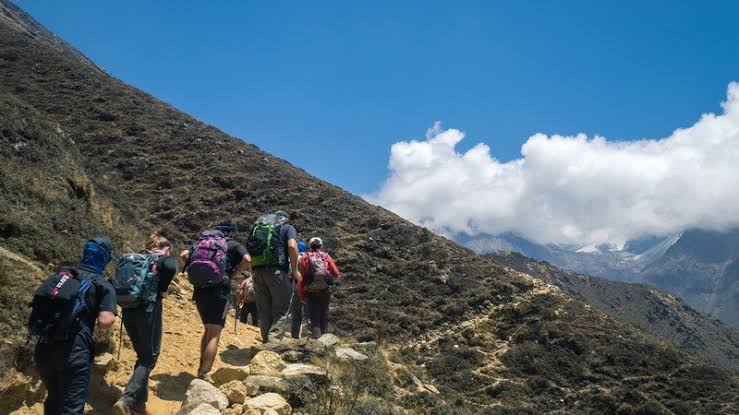
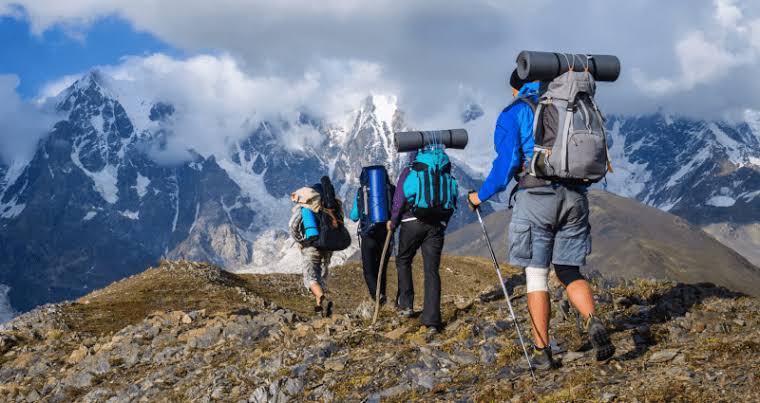
The Salkantay Trek is generally considered a challenging trek because of its high altitude, long hiking days, steep ascents and changing terrain.
The highest point of the classic route is Salkantay Pass, at approximately 4,630 m (15,190 ft) above sea level. From the high Andes, the trail gradually descends through cloud forest toward the warmer environments surrounding Machu Picchu.
The difficulty can vary depending on the itinerary, weather, physical condition, acclimatization, and hiking experience of each traveler.
How far in advance should you prepare for the Salkantay Trek?
Ideally, begin preparing 4–8 weeks before your trek. If you already exercise regularly, you may need less preparation, while travelers who are not accustomed to hiking should allow more time.
Your preparation should focus on:
- Cardiovascular endurance
- Leg strength
- Core stability
- Walking on uneven terrain
- Hiking with a backpack
- Altitude acclimatization
- Proper nutrition and hydration
The goal is not simply to become stronger but to prepare your body for several consecutive days of walking.
How to train for the Salkantay Trek
1. Build cardiovascular endurance
Walking uphill for several hours requires good cardiovascular fitness.
Useful activities include:
- Hiking
- Brisk walking
- Stair climbing
- Cycling
- Jogging
- Incline treadmill walking
Try to exercise consistently rather than doing very intense workouts only a few days before the trek.
2. Strengthen your legs
Strong legs are especially important for the steep climbs and long descents of the Salkantay route.
Include exercises such as:
- Squats
- Lunges
- Step-ups
- Calf raises
- Glute bridges
- Leg presses
Start with manageable resistance and gradually increase the duration or intensity.
3. Train for downhill walking
Many travelers focus only on climbing, but descending can also be physically demanding.
Practice walking downhill and strengthen your quadriceps and glutes. This can help prepare your legs for the long descents encountered during the trek.
4. Practice hiking with a backpack
Before traveling to Peru, complete several longer walks while carrying the backpack you plan to use.
Start with a light load and gradually increase it. Avoid carrying unnecessary items.
For most travelers, a small daypack containing water, rain gear, snacks, sunscreen and personal essentials is sufficient when luggage or additional belongings are transported separately as part of the trekking service.
How to prepare for high altitude
Altitude is one of the most important considerations when preparing for the Salkantay Trek.
The route reaches more than 4,600 m (15,000 ft) at Salkantay Pass, considerably higher than Cusco.
Acclimatize before the trek
If possible, spend several days in Cusco or another high-altitude destination before beginning the trek.
Use your acclimatization period for relatively easy activities and allow your body time to adjust.
Avoid scheduling an extremely demanding activity immediately after arriving in Cusco.
Take altitude symptoms seriously
Altitude sickness can affect anyone, regardless of age or physical fitness.
Possible symptoms include:
- Headache
- Dizziness
- Nausea
- Fatigue
- Loss of appetite
- Shortness of breath
More serious symptoms require immediate attention and descent to a lower altitude.
Always inform your guide if you feel unwell. Do not attempt to hide symptoms to continue the trek.
What to pack for the Salkantay Trek
Weather conditions can change significantly along the route, so packing layers is essential.
Essential clothing
- Moisture-wicking T-shirts
- Long-sleeve shirt
- Fleece or warm layer
- Insulated jacket
- Waterproof jacket
- Trekking pants
- Comfortable hiking socks
- Thermal layers
- Hat or cap
- Warm hat
- Gloves
Hiking equipment
- Hiking boots or shoes with good traction
- Small backpack
- Trekking poles
- Reusable water bottle
- Headlamp
- Sunglasses
- Sunscreen
- Personal first-aid supplies
- Rain cover for your backpack
Personal items
- Passport
- Personal medications
- Toiletries
- Hand sanitizer
- Insect repellent
- Small towel
- Cash for personal expenses
- Camera or phone
Pack according to the season and the specific itinerary you have booked.
What shoes should you wear for the Salkantay Trek?
Choose comfortable, well-fitting hiking footwear with good grip.
Your shoes should be broken in before the trek. Avoid wearing brand-new boots for the first time on the Salkantay trail, as blisters can make several days of hiking extremely uncomfortable.
Water-resistant footwear can also be useful because weather conditions can change quickly in the mountains.
What should you eat before the Salkantay Trek?
Good nutrition helps support your training and recovery.
Before the trek, focus on balanced meals containing:
- Complex carbohydrates
- Protein
- Fruits and vegetables
- Healthy fats
- Adequate fluids
Carbohydrate-rich foods can provide useful energy for endurance activities, while protein supports muscle recovery.
Avoid making major dietary changes immediately before your trek.
How much water should you drink?
Staying hydrated is particularly important during strenuous activity and at altitude.
Drink water regularly throughout the day rather than waiting until you are very thirsty.
A reusable water bottle or hydration system is practical for trekking.
Your guide or trekking operator can also advise you about water availability and purification along the route.
What is the weather like on the Salkantay Trek?
The Salkantay route passes through several ecological zones, so temperatures can vary considerably.
You may experience:
- Cold temperatures at high elevations
- Strong sun during the day
- Wind around the mountain pass
- Rain
- Warmer and more humid conditions at lower elevations
This is why the layering system is so useful.
Instead of wearing one extremely heavy jacket, bring several layers that can be added or removed according to the conditions.
Best time to do the Salkantay Trek
The dry season, generally from May to October, is commonly preferred for trekking in the Cusco region because there is typically less rainfall.
The wet season can bring more frequent rain and muddy or slippery sections of trail.
However, mountain weather is unpredictable, and conditions can change at any time of year.
If you travel during the rainy season, waterproof clothing and appropriate footwear become especially important.
Mental preparation for the Salkantay Trek
Physical preparation is only part of the experience.
The Salkantay Trek involves several hours of walking each day, changing weather conditions and significant elevation changes.
Prepare yourself to:
- Walk at a steady pace
- Take regular breaks
- Follow your guide’s instructions
- Adapt to changing weather
- Stay positive when the trail becomes difficult
- Listen to your body
You do not need to be the fastest person in the group. A consistent pace is usually more useful than rushing.
How to prepare for the Salkantay Pass
The crossing of Salkantay Pass is one of the most demanding sections of the trek.
To prepare:
- Train with uphill walking.
- Practice carrying a small backpack.
- Spend several days acclimatizing in Cusco if possible.
- Walk slowly and steadily.
- Stay hydrated.
- Dress in layers.
- Follow your guide’s recommendations.
The ascent should be approached at a controlled pace, particularly because of the altitude.
Salkantay Trek preparation checklist
Before leaving for Peru, make sure you have:
Fitness
- Completed regular cardio training
- Strengthened your legs
- Practiced uphill and downhill walking
- Completed longer hikes
Acclimatization
- Planned several days for acclimatization
- Avoided strenuous activities immediately after arrival
- Learned the symptoms of altitude sickness
Equipment
- Broken-in hiking shoes
- Waterproof jacket
- Warm layers
- Trekking pants
- Trekking poles
- Small backpack
- Water bottle
- Sunscreen
- Sunglasses
- Headlamp
Documents and personal items
- Passport
- Travel insurance
- Personal medication
- Emergency contact information
- Some local currency
Can beginners do the Salkantay Trek?
Yes, people without previous multi-day trekking experience can complete the Salkantay Trek, provided they are adequately prepared and understand the physical demands of the route.
Previous trekking experience is helpful, but physical preparation and altitude acclimatization are particularly important.
If you are concerned about your fitness or altitude tolerance, consult a qualified healthcare professional before undertaking a high-altitude trek.
Final tips for preparing for the Salkantay Trek
The most important preparation is to arrive acclimatized, physically prepared and properly equipped.
Start training several weeks before your trip, practice walking with your hiking shoes and backpack, prepare for changing weather, and allow enough time in Cusco to adjust to the altitude.
Most importantly, listen to your body and communicate with your trekking guide throughout the journey.
Prepare for Your Salkantay Trek with Pacha Expeditions
Experience the Andes with a local tourism company in Cusco that specializes in trekking and personalized adventures.
At Pacha Expeditions, our team can help you prepare for your Salkantay adventure, from choosing the right itinerary and understanding what to pack to providing support throughout the trek.
Prepare well, trek responsibly, and enjoy the incredible journey from the high Andes to Machu Picchu.
Book your Salkantay Trek with Pacha Expeditions and start planning your adventure in Peru.