
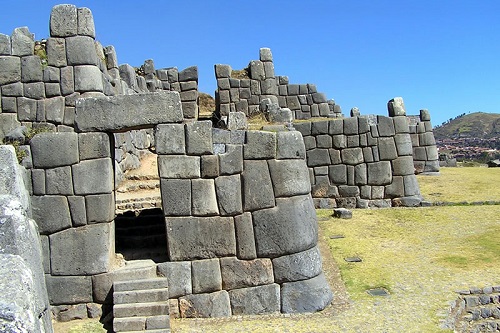
Sacsayhuamán Tour – Complete Travel Guide
Sacsayhuamán Tour, is one of the best ways to discover the extraordinary architecture, history, and cultural heritage of the Inca civilization near Cusco. Famous for its enormous zigzag stone walls, impressive carved rocks, panoramic views, and connection with the Inti Raymi festival, Sacsayhuamán is an essential stop on any Cusco City Tour.
Located just a few kilometers from the historic center of Cusco, the archaeological complex can be visited independently or as part of a guided tour that also includes Q’enqo, Puka Pukara, and Tambomachay.
Why Visit Sacsayhuamán?
Sacsayhuamán is one of the most impressive archaeological sites around Cusco. Its massive stone walls, carefully fitted masonry, ceremonial spaces, rock formations, and strategic location demonstrate the importance of the site within the Inca landscape.
The official COSITUC description identifies Sacsayhuamán as a complex with military, religious, administrative, and agricultural functions. The site includes megalithic zigzag walls, foundations of towers, aqueducts, chincanas, ceremonial areas, an artificial lagoon, the Rodadero or Suchuna, and the large esplanade where Inti Raymi is currently staged.
History of Sacsayhuamán
Sacsayhuamán, also written Saqsaywaman, was developed during the height of the Inca Empire. Its construction is traditionally associated with the period following the expansion of Cusco under Pachacuti Inca Yupanqui, with subsequent rulers contributing to its development.
Modern archaeological and historical research shows that the complex was much more than a simple fortress. It formed an important part of the sacred and cultural landscape of Cusco.
The Ministry of Culture’s Plan Maestro del Parque Arqueológico Nacional de Saqsaywaman 2024–2030 recognizes the archaeological complex as an extensive cultural landscape requiring continued research, conservation, interpretation, and protection.
The meaning of the name Saqsaywaman is still debated. The Ministry of Culture notes that its etymology requires further research, while COSITUC presents a traditional interpretation related to a “satisfied falcon” or “mottled head.”
Sacsayhuamán and the Spanish Conquest
Sacsayhuamán also played an important role during the Spanish conquest and the rebellion of Manco Inca in 1536.
The strategic position overlooking Cusco made the complex an important location during the conflict between the Inca forces and the Spanish.
Today, Sacsayhuamán remains one of the most important archaeological monuments associated with the history of Cusco.
What to See at Sacsayhuamán Tour.
1. The Zigzag Walls
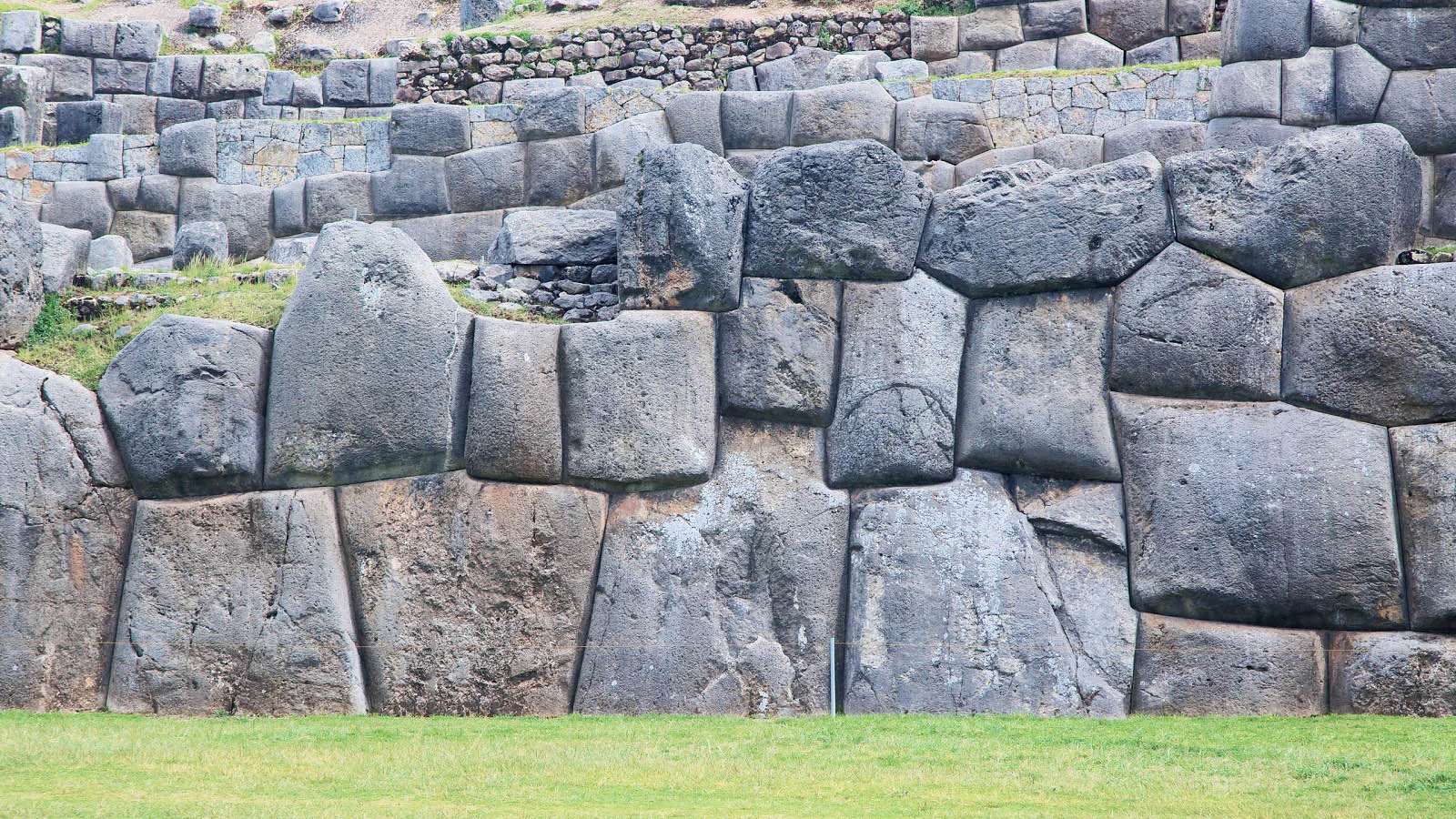
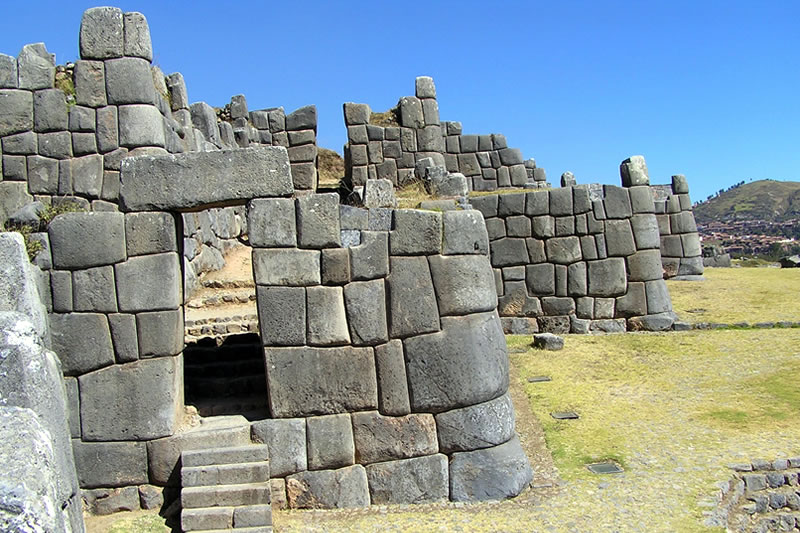
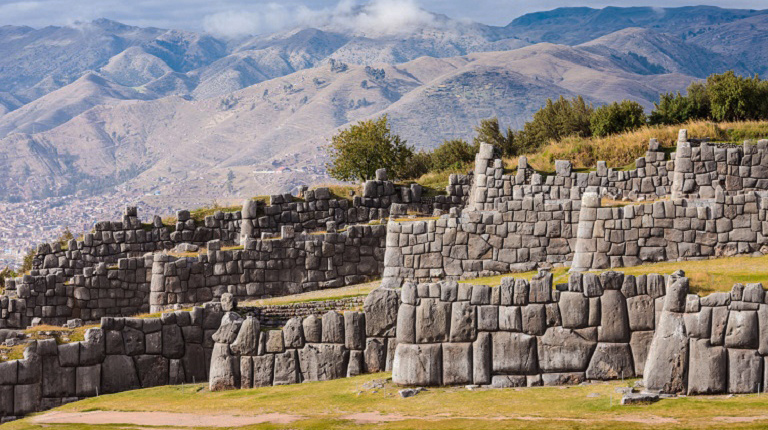
The enormous zigzag walls are the most recognizable feature of Sacsayhuamán.
Huge stones were carefully shaped and fitted together, creating remarkably tight joints. These walls demonstrate the advanced knowledge of stoneworking and construction possessed by Inca builders.
2. The Baluartes
The large terraces and defensive-looking structures known as the baluartes form one of the most spectacular sections of the complex.
Their massive stones provide some of the best examples of Inca megalithic architecture.
3. Muyuqmarka
Muyuqmarka, also written Muyucmarca, was one of the principal structures associated with Sacsayhuamán. Archaeological research continues to investigate its architecture, ceramics, and historical significance. The Ministry of Culture has conducted research specifically focused on ceramics from the Muyuqmarka sector.
4. Rodadero or Suchuna
The Rodadero, also known as Suchuna, is a natural rock formation with smooth carved surfaces.
It is one of the most interesting areas for visitors because it combines natural geology with evidence of human modification.
5. Chincanas
Sacsayhuamán contains rock-cut features commonly known as chincanas.
These formations have generated many local stories and legends. Visitors should distinguish between traditional oral accounts and archaeological interpretations when discussing their original function.
6. The Great Esplanade
The large open area at Sacsayhuamán is especially important during Inti Raymi, the Festival of the Sun, celebrated every June 24.
The modern ceremony incorporates elements inspired by Inca traditions and has made Sacsayhuamán one of the most recognizable cultural settings in Cusco.
Where Is Sacsayhuamán?
Sacsayhuamán is located approximately 2 km from the historic center of Cusco, on a hill above the city.
Its elevated position provides excellent views toward Cusco and the surrounding mountains.
The archaeological park is part of the broader cultural landscape surrounding Cusco and is managed as the Parque Arqueológico Nacional de Saqsaywaman.
How to Get to Sacsayhuamán Tour.
There are several ways to visit Sacsayhuamán.
By Tourist Transportation
The easiest option is to join a Cusco City Tour or hire private transportation.
A typical guided tour can pick you up from your hotel, take you directly to the archaeological complex, and continue to other nearby attractions.
By Taxi
A taxi from central Cusco can take you toward the archaeological complex. This is a convenient option for independent travelers.
Always use an authorized or reputable taxi service.
Walking to Sacsayhuamán
Travelers who are acclimatized to Cusco’s altitude can walk from the historic center.
The route involves uphill sections and stairs, so the walk can be physically demanding.
For visitors who have just arrived in Cusco, taking transportation is generally more comfortable.
Sacsayhuamán Tour Entrance Tickets.
Sacsayhuamán is included in the Cusco Tourist Ticket (Boleto Turístico del Cusco).
According to the current COSITUC tariff, the Partial Tourist Ticket Circuit I includes:
- Sacsayhuamán
- Q’enqo
- Puka Pukara
- Tambomachay
The current published tariff is:
| Ticket | Foreign visitors | National visitors |
|---|---|---|
| Partial Circuit I | S/ 70 | S/ 40 |
| Integral Tourist Ticket | S/ 130 | S/ 70 |
| Foreign student | S/ 70 | — |
| National student | — | S/ 40 |
The partial Circuit I ticket has 1 day of validity, while the integral ticket has 10 days of validity according to COSITUC.
Children under 10 years old do not pay for the Tourist Ticket when properly documented. From 10 to 17 years old, students can qualify for the student rate according to COSITUC requirements.
Important
The Tourist Ticket covers the entrance to the attractions included in the corresponding circuit. It does not include transportation or a tour guide.
Tickets are purchased in person through the authorized COSITUC sales points.
For the latest prices and conditions, travelers should verify the information directly with COSITUC before their visit.
Sacsayhuamán Tour Opening Hours
Opening schedules can be subject to operational changes, special events, conservation work, and regulations from the authorities.
Because official COSITUC information currently confirms the ticket-sales schedule but does not provide a clear, dedicated current visiting-hours listing for Sacsayhuamán on its tariff page, it is best to confirm the site’s operating schedule before traveling rather than relying on an outdated third-party schedule.
This is particularly important around June 24, when Sacsayhuamán hosts the main staging of Inti Raymi.
Best Time to Visit Sacsayhuamán Tour.
The dry season, generally from May to October, is popular because of the lower probability of rain and clearer mountain views.
For a quieter experience, visiting earlier in the day is a good option.
Dry season
May–October
- Less rainfall
- Better conditions for walking
- Excellent visibility
- Cold mornings and strong afternoon sun
Rainy season
November–April
- More frequent rainfall
- Green landscapes
- Fewer visitors during some periods
- Weather can change quickly
Regardless of the season, bring protection from both sun and rain.
Recommended Sacsayhuamán Tour Itinerary
Half-Day Cusco City Tour
Duration: Approximately 4–5 hours
1. Hotel pickup in Cusco
Meet your professional guide and transportation at your hotel.
2. Sacsayhuamán
Begin the tour at Sacsayhuamán and explore:
- Zigzag walls
- Baluartes
- Muyuqmarka area
- Rodadero
- Ceremonial spaces
- Panoramic viewpoints
Recommended time: 1–1.5 hours.
3. Q’enqo
Continue to Q’enqo, an important ceremonial and religious archaeological site located close to Sacsayhuamán.
4. Puka Pukara
Visit Puka Pukara, traditionally associated with a strategic or control point along the routes approaching Cusco.
5. Tambomachay
Finish the archaeological portion of the tour at Tambomachay, famous for its water channels and fountains.
These four archaeological sites make up Circuit I of the Cusco Tourist Ticket.
6. Return to Cusco
Return to the historic center or your hotel after completing the circuit.
What to Bring to Sacsayhuamán
For a comfortable visit, we recommend bringing:
- Comfortable walking shoes
- Light waterproof jacket or rain poncho
- Hat or cap
- Sunscreen
- Sunglasses
- Reusable water bottle
- Small backpack
- Camera or smartphone
- Identification document
- Some cash for personal expenses
Because Sacsayhuamán is located at high altitude, walking slowly and allowing time to acclimatize is particularly important.
Travel Tips for Sacsayhuamán Tour.
1. Acclimatize before strenuous activity
If you have just arrived in Cusco, take it easy during your first hours and avoid rushing through the archaeological complex.
2. Protect yourself from the sun
Cusco’s high-altitude sun can be intense even when the temperature feels cool.
3. Wear proper footwear
The archaeological paths contain uneven surfaces, stairs, and stone sections.
4. Hire a professional guide
A guide can explain the architectural, historical, religious, and cultural significance of the site and distinguish archaeological evidence from popular legends.
5. Respect the archaeological site
Do not climb restricted structures, touch fragile archaeological remains, leave waste, or remove stones.
Sacsayhuamán is protected cultural heritage and its conservation is an ongoing priority of the Ministry of Culture.
Frequently Asked Questions About Sacsayhuamán
Is Sacsayhuamán worth visiting?
Yes. Sacsayhuamán is one of the most important archaeological attractions near Cusco and is particularly impressive for its massive stonework, historical importance, and views of the city.
How far is Sacsayhuamán from Cusco?
It is approximately 2 km from the historic center of Cusco.
How long should I spend at Sacsayhuamán Tour?
Allow approximately 1 to 1.5 hours for a guided visit to the main areas.
Is Sacsayhuamán included in the Cusco Tourist Ticket?
Yes. Sacsayhuamán is included in Circuit I, together with Q’enqo, Puka Pukara, and Tambomachay.
Can I visit Sacsayhuamán without a guide?
Yes, you can visit with your own ticket, but a professional guide is recommended if you want to understand the site’s architecture, history, and cultural significance.
Can children visit Sacsayhuamán Tour?
Yes. The site is suitable for families, although parents should be aware of uneven terrain, stairs, altitude, and strong sunlight.
Is Sacsayhuamán difficult to visit?
The archaeological visit itself is generally manageable, but the altitude of Cusco can make walking more demanding, especially for travelers who have not acclimatized.
What is Sacsayhuamán famous for?
It is particularly famous for its enormous zigzag walls and precisely fitted stones, as well as its cultural significance and its role as the main setting for the modern Inti Raymi ceremony.
What other places can I visit with Sacsayhuamán?
The most common combination is:
Sacsayhuamán → Q’enqo → Puka Pukara → Tambomachay
These four attractions form Circuit I of the Cusco Tourist Ticket.
Sacsayhuamán Tour with Pacha Expeditions
A guided Sacsayhuamán Tour from Cusco is an excellent introduction to the history and archaeology surrounding the Inca capital.
With a professionally organized tour, travelers can explore Sacsayhuamán and the surrounding archaeological sites while learning about Inca architecture, religion, engineering, and the cultural landscape of Cusco.
A typical Cusco City Tour can include:
- Professional English- or Spanish-speaking guide
- Tourist transportation
- Hotel pickup
- Sacsayhuamán
- Q’enqo
- Puka Pukara
- Tambomachay
- Return to Cusco
Entrance tickets, guide services, and transportation should be clearly specified in the tour’s inclusions before booking.
Conclusion Sacsayhuaman Tour.
A visit to Sacsayhuamán offers much more than an opportunity to see enormous Inca stones. The archaeological complex provides an insight into the engineering, religious traditions, political organization, and cultural landscape of the Inca capital.
Whether you visit as part of a Cusco City Tour or independently, Sacsayhuamán should be high on your list of places to visit in Cusco.
SEO Keywords: Sacsayhuaman tour, Sacsayhuaman Cusco, Sacsayhuaman Peru, Sacsayhuaman history, Sacsayhuaman entrance ticket, Sacsayhuaman opening hours, Cusco City Tour, Sacsayhuaman tourist ticket, things to do in Cusco, Inca ruins near Cusco, Sacsayhuaman travel guide.