
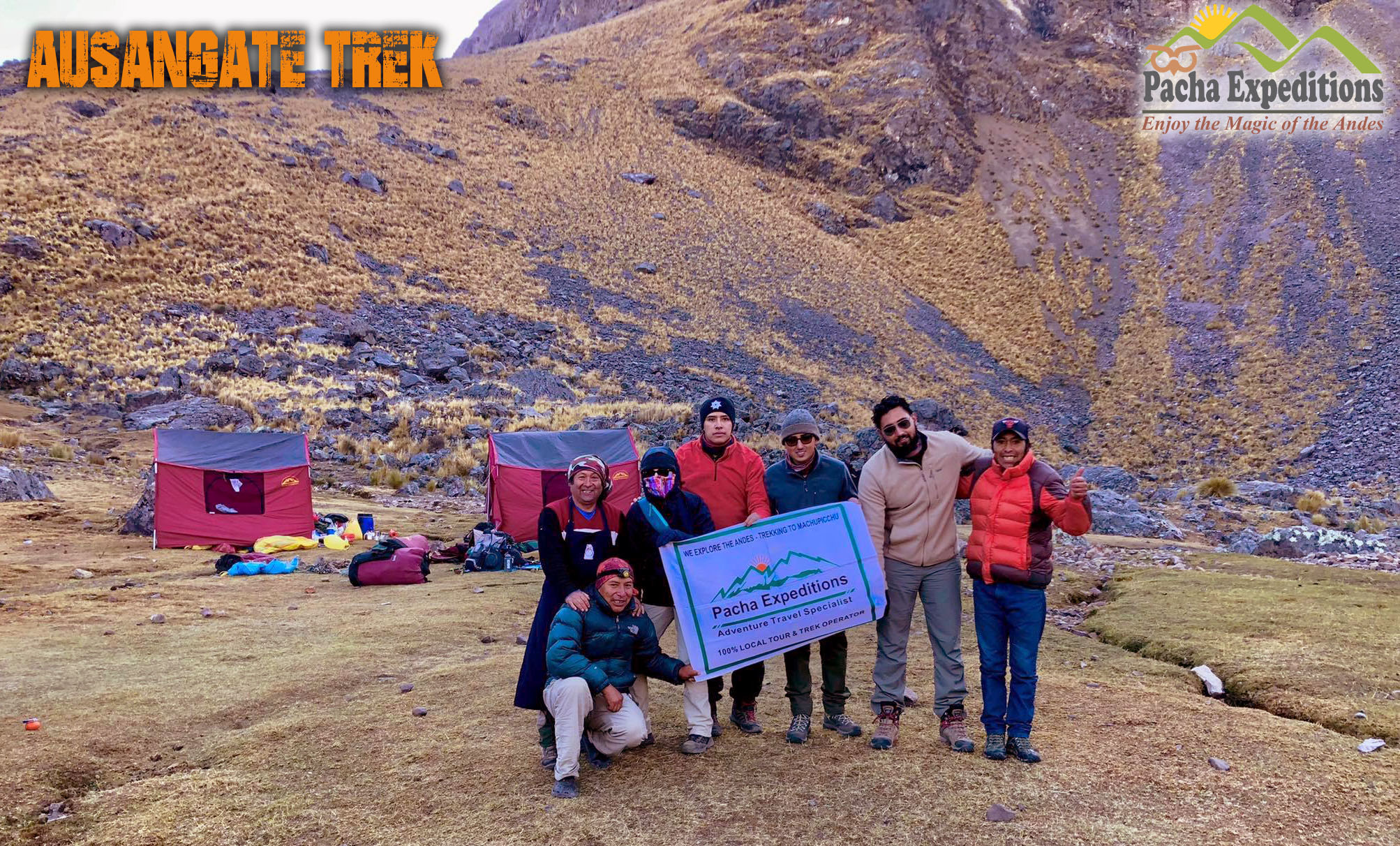
Ausangate Trek Cusco: Everything You Need to Know Before Hiking Peru’s Most Spectacular Trail
Ausangate Trek Cusco, is one of Peru’s most rewarding high-altitude adventures. Located in the Vilcanota Mountain Range, about 100 km (62 miles) southeast of Cusco, this multi-day trek circles Ausangate Mountain (6,384 m / 20,945 ft), one of the highest and most sacred peaks in the Peruvian Andes. Unlike the famous Inca Trail, the Ausangate Trek offers untouched landscapes, fewer crowds, colorful glacial lakes, snow-covered mountains, traditional Quechua communities, and an authentic Andean cultural experience. It is considered one of the best alternatives for travelers seeking adventure beyond Machu Picchu.
What is the Ausangate Trek Cusco?
The Ausangate Trek is a high-altitude circuit that takes hikers around the majestic Apu Ausangate, a sacred mountain deeply respected in Andean cosmology. The trek typically lasts 4 to 7 days, covering approximately 60–75 km (37–47 miles) depending on the route.
Unlike archaeological-focused hikes, the Ausangate Trek is all about nature. Expect dramatic glaciers, turquoise lagoons, alpine meadows, hot springs, roaming alpacas and llamas, and panoramic mountain passes exceeding 5,000 meters (16,400 feet).
Where is the Ausangate Trek Cusco?
The trail begins near the villages of Tinki or Pacchanta, approximately:
- 3 hours from Cusco
- In the Quispicanchi Province
- Within the Cordillera Vilcanota
Most tours include round-trip transportation from Cusco.
Why Choose the Ausangate Trek Cusco?
There are many reasons why experienced hikers choose Ausangate over Peru’s more famous trekking routes.
Incredible Mountain Scenery
The trail offers continuous views of:
- Snow-capped peaks
- Massive glaciers
- Crystal-clear alpine lakes
- Colorful valleys
- Red Mountain landscapes
- Rainbow Mountain (optional extension)
Very Few Crowds
Unlike the Inca Trail, no trekking permits are required, making Ausangate far less crowded.
You’ll often hike for hours surrounded only by mountains, alpacas, and local shepherds.
Authentic Cultural Experience
The Ausangate region remains home to traditional Quechua communities that continue centuries-old lifestyles centered around alpaca herding and Andean traditions.
Visitors often encounter:
- Traditional clothing
- Local markets
- Stone villages
- Ancient farming practices
Wildlife Ausangate Trek Cusco
Keep an eye out for:
- Alpacas
- Llamas
- Vicuñas
- Andean condors
- Vizcachas
- Native birds
Ausangate Trek Cusco Difficulty
The Ausangate Trek is considered challenging.
The biggest challenge isn’t steep terrain—it’s the altitude.
Highest Points
- Palomani Pass: approximately 5,200 m (17,060 ft)
- Some itineraries exceed 5,300 m (17,388 ft)
Average camping altitude:
- 4,300–4,700 meters
Because you’ll spend several consecutive days above 4,000 meters, proper acclimatization is essential.
How Long is the Ausangate Trek Cusco?
Several itineraries are available.
4 Days
Ideal for travelers with limited time.
Highlights:
- Glaciers
- Lakes
- Mountain passes
- Hot springs
5 Days (Most Popular)
Provides the best balance between challenge and scenery.
Includes:
- Complete Ausangate Circuit
- Multiple lakes
- Palomani Pass
- Pacchanta Hot Springs
6–7 Days
Perfect for hikers wanting:
- Rainbow Mountain
- Red Valley
- Extra acclimatization
- More photography opportunities
Best Time to Hike the Ausangate Trek Cusco
The dry season offers the best trekking conditions.
Dry Season (May–September)
Advantages:
- Blue skies
- Better mountain views
- Less rainfall
- Excellent trail conditions
This is considered the best time for trekking.
Rainy Season (November–March)
Expect:
- Afternoon rain
- Muddy trails
- Limited visibility
- Colder camps
Some operators reduce departures during heavy rains.
Altitude and Acclimatization
Before starting the trek, spend at least 2–3 days in Cusco to acclimatize.
Helpful tips:
- Stay hydrated
- Avoid alcohol before trekking
- Eat light meals
- Walk slowly
- Listen to your guide
Common symptoms include headaches, fatigue, and shortness of breath.
Typical Ausangate Trek Cusco Itinerary (5 Days)
01 Day
Cusco → Tinki → Upis Camp
Highlights:
- First mountain views
- Alpaca farms
- Hot springs
02 Day
Upis → Arapa Pass → Pucacocha
Highlights:
- Glaciers
- Turquoise lakes
- Spectacular campsites
03 Day
Pucacocha → Palomani Pass → Pampacancha
Highlights:
- Highest point of the trek
- Panoramic Andean scenery
- Vicuñas
04 Day
Pampacancha → Qampa Valley → Pacchanta
Highlights:
- Green valleys
- Traditional villages
- Natural hot springs
05 Day
Pacchanta → Return to Cusco
Optional visit to Rainbow Mountain depending on the operator.
What Will You See?
The Ausangate Trek is famous for its incredible diversity of landscapes.
Highlights include:
- Ausangate Glacier
- Turquoise glacial lakes
- Rainbow-colored mountains
- Red Valley
- Hot springs
- Snow-covered peaks
- Traditional Quechua villages
- Alpaca herds
- Massive mountain passes
What to Pack
Essential gear includes:
- Waterproof hiking boots
- Trekking poles
- Warm sleeping bag (-10°C or lower)
- Down jacket
- Waterproof shell
- Thermal clothing
- Gloves
- Wool hat
- Sunglasses
- Sunscreen
- Headlamp
- Reusable water bottle
- Snacks
- Personal medication
- First aid kit
Layering is key, as temperatures can vary dramatically between day and night.
Can Beginners Do the Ausangate Trek Cusco?
Yes—but only if they:
- Have good physical fitness
- Spend time acclimatizing
- Hike at a steady pace
- Choose a guided tour
Previous high-altitude hiking experience is helpful but not mandatory.
Guided Tour vs Independent Trek
A guided tour is recommended because it provides:
- Experienced mountain guides
- Transportation
- Camping equipment
- Meals
- Horses for gear
- Emergency support
- Local knowledge
Independent trekking is possible but requires strong navigation skills, camping experience, and careful preparation.
Frequently Asked Questions
Is the Ausangate Trek Cusco harder than the Inca Trail?
Yes. The higher altitude and longer distances make Ausangate more physically demanding than the Classic Inca Trail.
Do I need a permit?
No. Unlike the Inca Trail, the Ausangate Trek does not require government permits.
Can I visit Rainbow Mountain?
Yes. Many 5- to 7-day itineraries include Vinicunca (Rainbow Mountain) or Palccoyo as an extension.
What is the highest point?
Most routes reach approximately 5,200–5,300 meters (17,060–17,388 feet).
Are there hotels on the trail?
Most trekkers camp, although a few routes include basic mountain lodges or local homestays.
Final Thoughts
The Ausangate Trek is one of Peru’s most breathtaking and authentic trekking experiences. Far from the crowds, this high-altitude adventure rewards hikers with towering glaciers, emerald and turquoise lakes, colorful mountains, natural hot springs, and encounters with traditional Quechua communities. While the trek demands good fitness and proper acclimatization, those who complete it are rewarded with unforgettable scenery and a deeper connection to the cultural and natural heritage of the Andes. Whether you choose a 4-day circuit or a longer itinerary that includes Rainbow Mountain, the Ausangate Trek offers an extraordinary journey through one of South America’s most spectacular mountain landscapes.